


 HP Stock Drops 9% Despite Q3 Earnings Beat and Raised 2026 Outlook
  Trump Buys SpaceX Shares After Record IPO
  Honda, Nissan Eye Shared Vehicle Software Platform by 2029
  BofA Names ASML Top Semiconductor Equipment Pick on Growth, Valuation
  Meta, U.S. States Discuss Settlement in Teen Addiction Trial
  OpenAI AI Agent Swarm Behind Hugging Face Hack
  Itochu Offers $1.56 Billion to Privatize Dentsu Soken
  SoftBank Eyes $20 Billion Bond Sale to Refinance OpenAI Loan
  PayPal Shares Sink as $50 Billion Takeover Bid Collapses
  SoftBank Plans Record $6.3 Billion Bond Sale to Fund OpenAI Investments
  New Zealand Labour Backs Social Media Ban for Under-16s
  Google Changes EU Spam Policy Amid Antitrust Scrutiny
  Nvidia Pauses AI Cloud Financing Deals Amid Antitrust Concerns
  U.S. Probes Apex Logistics Over Nvidia AI Chip Shipments to China
  Nvidia Reportedly Eyes $13 Billion Hugging Face Acquisition
  Luxshare Shares Rise as First-Half Profit Jumps 18%


 Add as a preferred source on Google
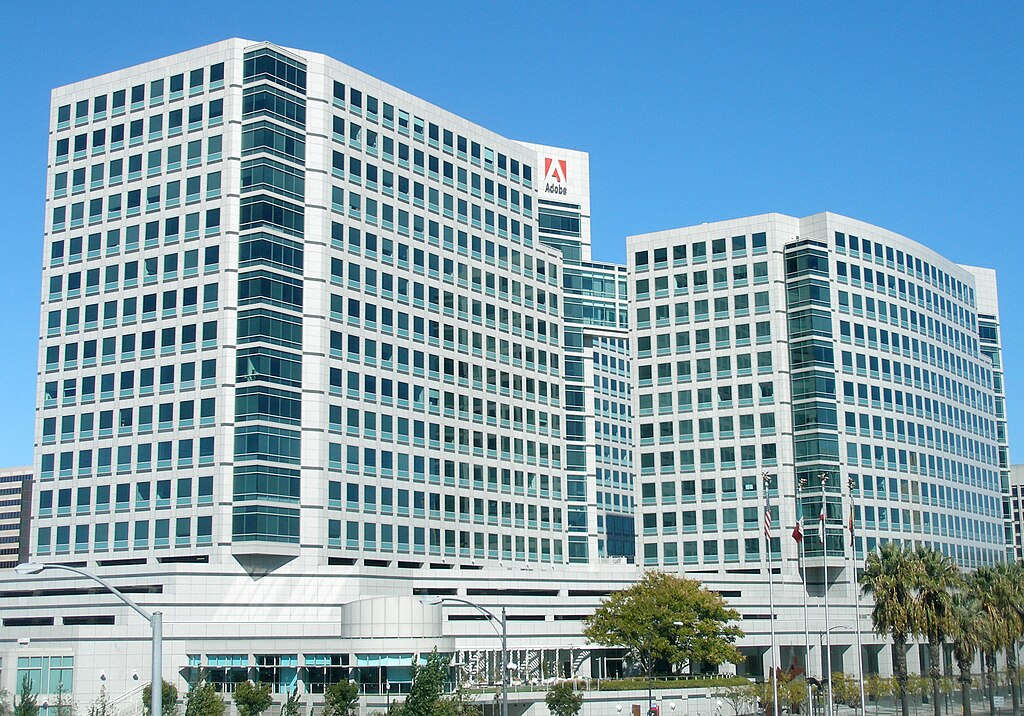
Adobe (NASDAQ: ADBE) delivered stronger-than-expected fiscal second-quarter 2026 results, surpassing Wall Street forecasts on both revenue and earnings while raising its full-year guidance. The software giant also reported significant growth in its artificial intelligence business, with AI-related annualized recurring revenue (ARR) tripling compared to the same period last year.
Despite the impressive performance, Adobe shares fell more than 5% in after-hours trading following the announcement that Chief Financial Officer Dan Durn will step down on June 15 to pursue another opportunity. Steve Day, the company’s Senior Vice President of Corporate Finance, will assume the role of interim CFO.
The leadership change comes shortly after Adobe announced in March that longtime CEO Shantanu Narayen plans to step down. Narayen, who has led the company since 2007, is widely credited with transforming Adobe’s business model by shifting its software portfolio to a cloud-based subscription platform.
For the quarter, Adobe reported adjusted earnings of $5.96 per share on revenue of $6.62 billion, outperforming analyst expectations of $5.82 per share and $6.46 billion in revenue. The company’s remaining performance obligations reached $22.27 billion, slightly higher than the $22.22 billion reported in the previous quarter. Total ARR climbed to $27.10 billion from $26.06 billion in Q1, reflecting continued subscription growth.
Looking ahead, Adobe issued an upbeat forecast for the third quarter. The company expects adjusted earnings between $6.05 and $6.10 per share on revenue ranging from $6.67 billion to $6.72 billion, well above consensus estimates of $5.77 per share and $6.51 billion in revenue.
Adobe also raised its fiscal 2026 outlook, projecting adjusted earnings of $24.35 to $24.45 per share and annual revenue between $26.50 billion and $26.60 billion. Analysts had previously expected earnings of $23.56 per share on revenue of $26.09 billion.
Known for industry-leading creative software such as Photoshop and Premiere Pro, Adobe has aggressively expanded its AI capabilities through Adobe Firefly, a suite of generative AI tools for creating images, videos, audio, and vector graphics. The company’s accelerating AI revenue growth highlights increasing adoption of these tools as businesses and creators embrace generative AI technologies.
Adobe’s strong results arrive amid broader concerns about the impact of artificial intelligence on the software sector. Investors have questioned whether emerging AI-powered competitors, including design tools developed by startups such as Anthropic, could challenge established software providers. In response, Adobe and other software companies have accelerated investments in AI-driven products and agentic AI solutions designed to automate complex workflows and enhance user productivity.
While leadership transitions weighed on investor sentiment, Adobe’s robust earnings, rising recurring revenue, and expanding AI business underscore the company’s continued strength in a rapidly evolving technology landscape.







