


 Drug pollution in water is making salmon take more risks – new research
  China Vanke Shares Jump as Beijing Moves to Ease Debt Pressure
  Costco Revenue Beats Estimates as Inflation Drives Bulk Shopping
  CNN, MS NOW and Politico Sue Trump Over White House Media Ban
  Oil Prices Jump 3% as Houthi Attack Revives Supply Fears
  US Dollar Hits Two-Month High as Fed Rate Hike Bets Rise
  China Reviews Broadcom Switch Use in State Data Centres
  RBI Uses $10 Billion Currency Swaps to Drain Excess Rupee Liquidity
  BlackBerry Shares Rise as Q2 Earnings, Revenue Beat Estimates
  An unexpected anomaly was found in the Pacific Ocean – and it could be a global time marker
  US Backs Musk in Fight Against EU’s €120 Million X Fine
  China’s ‘Lipstick King’ Says AI Won’t Replace Livestream Hosts
  Asian Currencies Mixed as Dollar Holds Near Two-Month High
  European Stocks Fall as Bond Yields and Geopolitical Risks Weigh


 Add as a preferred source on Google
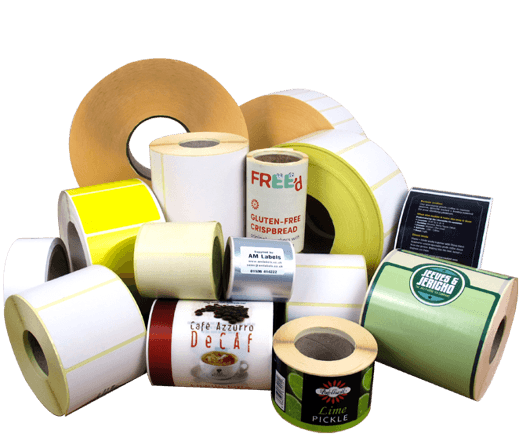
AM Labels has added sugar cane and grass-based paper labels to its portfolio to meet consumer demand for environmentally-friendly labeling solutions.
The new sugar cane paper labels are composed of 95 percent sugar cane fibers, with 5 percent made of a mixture of hemp and linen, offering a sustainable alternative to traditional wood-pulp papers.
Sugar cane fibers are a by-product that would traditionally be disposed of.
Wet strength and fungicidal treatments are provided by the material, which is uncoated matte paper. Due to its thick and textured appearance, it can be used for wine, beverage, and food labeling. It is suitable for applications where the entire packaging must be biodegradable, such as fruit and vegetable labeling.
The company uses 70 percent sustainably sourced pulp and 30 percent sun-dried grass fibers in the production of its grass paper labels.
The adhesive is biodegradable and compostable because it has been created with a high percentage of renewable, non-fossil-sourced components. Along with cosmetics and organic goods, the allergen-free, vegan-friendly material is appropriate for artisan food and beverage labeling.







