


 Big AI wants to slow down AI research. Is it a safety pause or a strategic retreat?
  Nike Earnings at Risk as UBS Cuts Price Target to $42
  SpaceX Nasdaq 100 Weight to More Than Double in Rebalance
  US Northeast Airports Resume Operations After Telecom Outage Disrupts Thousands of Flights
  DOJ Will Investigate AI-Related Crimes, Attorney General Blanche Says
  Apple Pay Set for India Launch With Axis Bank
  Unsustainable – or manageable? We don’t yet know how data centres will impact Australia’s environment
  Trump Bans CNN, MS NOW and Politico From White House
  FAA Allows Boeing to Sell 35 More 777F Freighters Beyond 2028
  Westinghouse Targets $50 Billion Valuation in U.S. IPO
  Scott Bessent Eyed as Trump’s New AI Czar
  White House Bars CNN, MS NOW and Politico Reporters
  Hyundai CEO Warns Chinese Automakers Could Disrupt US Market
  US Federal Register Drops Alibaba Qwen AI Search Tool


 Add as a preferred source on Google
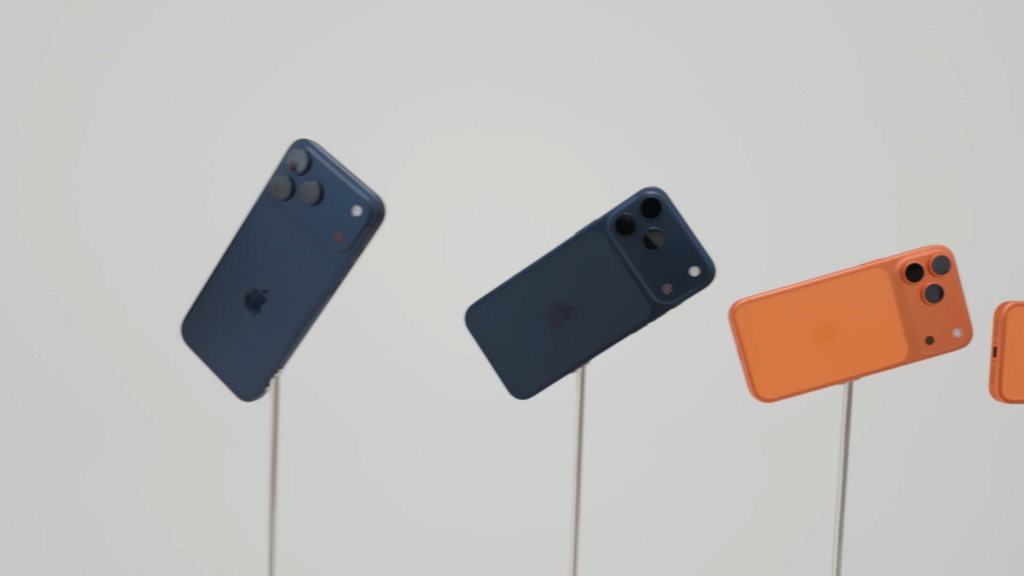
Apple’s iPhone 17 launch is showing mixed wait times across markets, with UBS Evidence Lab noting that product mix, rather than pure demand, is driving availability trends. While higher-end Pro models are performing steadily, longer delays for the base version raise questions about consumer behavior.
In the U.S., the iPhone 17 Pro Max faces an average 26-day wait, nearly unchanged from the iPhone 16 Pro Max at 27 days and shorter than the 39-day wait for the 15 Pro Max. The iPhone 17 Pro averages 12 days, quicker than the 16 Pro’s 18 days. Apple’s new iPhone 17 Air holds at nine days, aligning closely with the 16 Plus. However, the 17 Base shows a 13-day delay, up from eight days last year, signaling possible shifts in buyer preference.
European and Japanese markets show similar dynamics. Europe’s 17 Pro Max holds at 24 days, but the 17 Base averages 17 days, more than double last year’s figure. In Japan, the 17 Pro Max waits at 25 days, slightly shorter than last year, while the 17 Base stretches to 24 days compared with 15 previously.
China presents a unique case, as regulators have not yet approved the iPhone 17 Air. Wait times for the 17 Pro and Pro Max hover around 25 days, significantly longer than the prior cycle, while the 17 Base has also extended by over two weeks.
UBS analysts highlighted that Apple launched seven models this year, down from nine previously, while the iPhone 17 Base now starts at $799 with 256GB storage. These changes may be nudging buyers toward cheaper options, potentially weighing on Apple’s average selling prices.
UBS concluded that while high-end demand remains solid, lineup shifts and regional variations are distorting year-over-year comparisons, making product mix a critical factor in assessing iPhone 17 demand.







