


 Cybersecurity Stocks Tumble After Anthropic's Claude Mythos AI Leak Sparks Market Fears
  Annie Altman Amends Sexual Abuse Lawsuit Against OpenAI CEO Sam Altman
  Australia's Social Media Ban for Under-16s Sparks Global Movement
  Alibaba Shares Slide as Jefferies Slashes Price Target Over AI Spending and Business Losses
  Anthropic Fights Pentagon Blacklisting in Dual Federal Court Battles
  Britain Courts Anthropic Amid US Defense Department Dispute
  Apple Turns 50: From Garage Startup to AI Crossroads
  Microsoft Eyes $7B Texas Energy Deal to Power AI Data Centers
  NASA Artemis II: First Crewed Moon Mission Since Apollo Takes Four Astronauts on 10-Day Lunar Journey
  China's Push to Steal Taiwan's Chip Technology and Talent Raises Security Alarms
  OpenAI Executive Shake-Up Ahead of Anticipated 2026 IPO
  Samsung Electronics Posts Eightfold Profit Surge Driven by AI Chip Demand
  California's AI Executive Order Pushes Responsible Tech Use in State Contracts
  SpaceX Eyes Historic IPO at $1.75 Trillion Valuation
  U.S. Disrupts Russian Military Hackers' Global DNS Hijacking Network


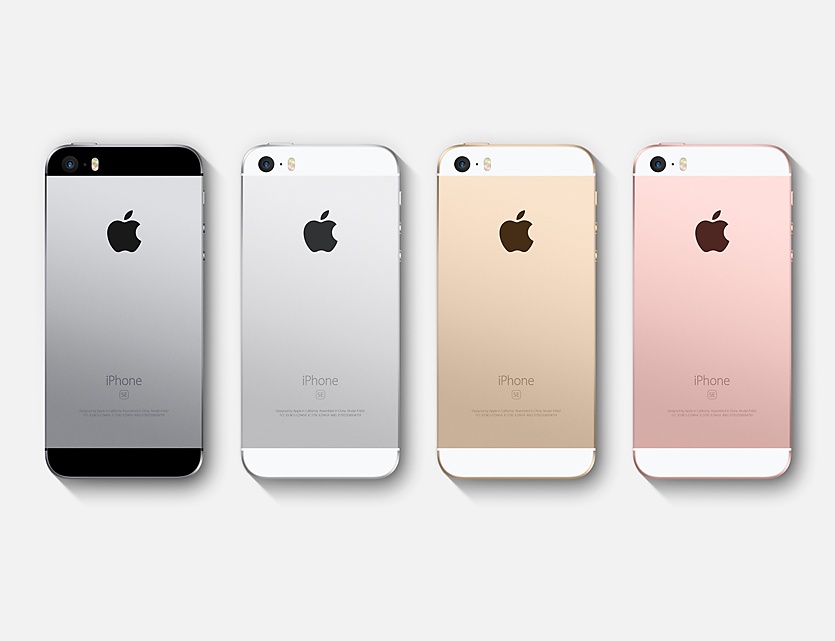
Various iPhone 12 specs and features have been relentlessly leaked and teased these past few weeks. But a recent update would sure delight users who love to take pictures with their Apple gadgets.
Apparently, the upcoming iPhone 12 will sport a new image stabilization feature unlike those seen in previous models, India Today reported. This feature is called sensor-shift image stabilization technology, which will allow users to still be able to take steady shots even if the phone is actually moving excessively.
The sensor-shift image stabilization technology automatically kicks in when it detects excessive motion. This means users will still be able to take steady, distortion-free photos all the time.
Back in 2017, Apple equipped the iPhone X and the iPhone 8 line with an optical image stabilization technology. The system is able to achieve its purpose through the use of a glass element to compensate for the phone’s movements resulting in clearer, steadier shots. The sensor-shift image stabilization technology reportedly works with the existing stabilization system resulting in better image outputs.
As far as stabilization is concerned, another alternative for Apple is to stabilize the lens of its camera to counter the phone’s motion. However, this lens-based stabilization system would result in a costlier iPhone 12 since special lenses and a more complex camera assembly had to be made.
“The current lens-based stabilization in the iPhone 11 and all flagships out there do a pretty good job at avoiding unwanted blur and jittery motion on the vertical and horizontal axis; sensor-shift will add stabilization no matter the direction in which the iPhone shakes,” Jesus Diaz wrote on Tom’s Guide.
Meanwhile, Apple fans can expect a more expensive iPhone 12 when it arrives next year. This is because of the additional cost for the 5G components, extra camera lenses and better screen technology.
But the surprise is that it’s not going to cost iPhone users that much. Apple analyst Ming-Chi Kuo revealed that retail price will only increase by $50 even though actual production cost rose by $100.
“Although consumers are going to be paying more (and I would expect some of the cost increases to balance out over the range), Apple is also set to squeeze the costs in the supply chain through a mix of economy of scale and harder negotiation to achieve this price,” the analyst added, according to Forbes.







