


 China Reviews Broadcom Switch Use in State Data Centres
  Qualcomm Gains on $60B Amazon AI Chip Deal
  Databricks to Invest $350 Million in Singapore AI Expansion
  Guterres Urges Stronger Global AI Safeguards Ahead of UN Assembly
  Rosenblatt Starts Nokia at Buy on AI Networking Growth
  Nvidia CEO Jensen Huang Expected at Trump-Xi State Dinner
  Scott Bessent Eyed as Trump’s New AI Czar
  Trump Plans Federal AI Force and AI Czar
  DOJ Will Investigate AI-Related Crimes, Attorney General Blanche Says
  Burnham Eyes UK Leadership Role in AI Ahead of Trump Meeting
  France Urges Faster AI Push Despite Safety Risks
  SoftBank Launches $11 Billion Bond Sale to Fund OpenAI Investment
  Physicists zoom into the birth of cosmic rainstorms with new CERN study
  Apple Pay Set for India Launch With Axis Bank
  OpenAI Urges US-Led Global Standards for Frontier AI
  Big AI wants to slow down AI research. Is it a safety pause or a strategic retreat?
  Westinghouse Targets $50 Billion Valuation in U.S. IPO


 Add as a preferred source on Google
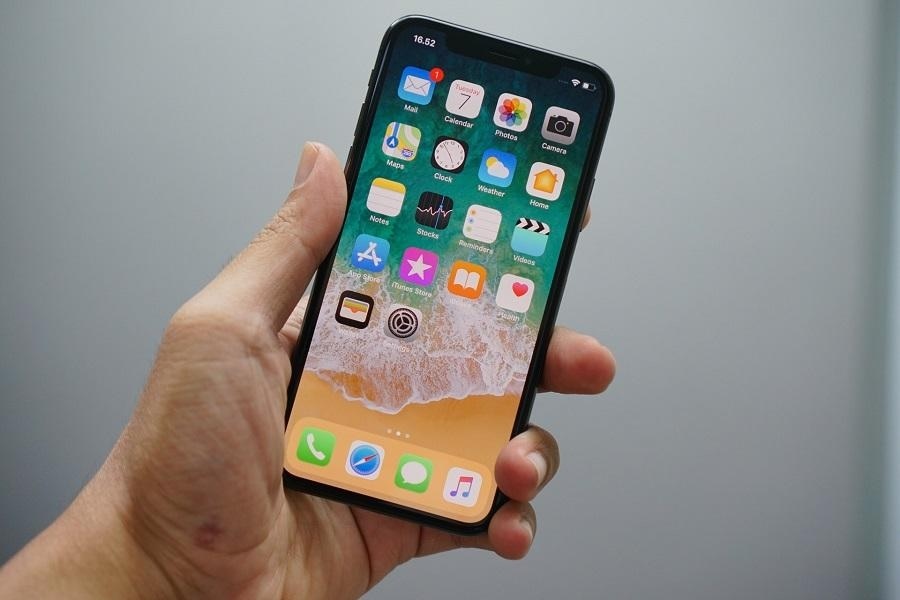
Apple announced this week that the highly anticipated privacy feature will go live in the next update. This is part of the company's new App Tracking Transparency policies that require developers to inform users and ask their permission before tracking them.
Facebook is not going to like the next version of iOS 14
Technically, being tracked online for advertising purposes is not illegal, and it is commonly included in the terms and conditions of the apps and websites people use. However, only a few people take the time to read them. This is where the new iOS 14 feature becomes very useful.
The new privacy feature will require developers to add a prompt asking users if they want to be tracked outside the apps. This is typically done by collecting the Identity for Advertisers (IDFA), which are practically device IDs that let app developers observe a user's pattern and behavior online and send them targeted or personalized ads. Once the feature goes live on iOS 14 devices, users can choose not to be tracked this way.
This particular feature has sparked some tension between Apple and Facebook, with the latter claiming that this new policy will affect small businesses that rely on the company's ads and tracking tools. Apple clarified the update will not prevent app developers from collecting data, but it requires them to ask the users' permission first before they are tracked.
We believe users should have the choice over the data that is being collected about them and how it’s used. Facebook can continue to track users across apps and websites as before, App Tracking Transparency in iOS 14 will just require that they ask for your permission first. pic.twitter.com/UnnAONZ61I
— Tim Cook (@tim_cook) December 17, 2020
With this week's announcement, the privacy feature is expected to be added in the next iOS 14 beta before being launched on the stable version. Google has already announced that its apps will stop collecting IDFA so their users will not see the prompt question.
iOS 14.4 is now live and iPhone users must install them immediately
Before the new privacy feature arrives, Apple fans should first look into the latest update iOS 14.4. Aside from small bug fixes and minor improvements, Apple confirmed that it addresses two security vulnerabilities that could be used for attackers to access an iPhone's operating system or Safari browser illegally.
iOS 14.4 should be available on compatible devices, and automatic download and install is usually a default setting. But iPhone users can manually check by opening the Settings app, choosing the General menu, and selecting software updates.







