


 Asian Stocks Fall as Bond Yields Surge Ahead of Trump-Xi Summit
  Time to buy local: war fuel price shocks reveal the folly of a long food supply chain
  Novartis M&A Strategy Faces Investor Scrutiny After Drug Setbacks
  AstraZeneca Q2 Earnings Beat Forecasts as Oncology Growth Supports 2026 Outlook
  1 in 3 uni students experience serious financial hardship. Could concession cards for all help?
  Solidigm Eyes $150 Billion IPO as SK Hynix Expands AI Storage Push
  U.S. Treasury Yields Surge as 30-Year Hits 22-Year High
  Oil Prices Ease as Iran Tensions Clash With Diplomacy Hopes
  DaVoice Sues Perplexity AI Over Trade Secrets
  What is Zionism? The different meanings of a contested term
  Japanese Yen Rebounds as Trump Flags Currency Weakness
  Dollar Holds Near Two-Month High as Yen Approaches 160
  Suzuki Targets Faster Car Development to Keep Pace With Chinese Rivals
  Glastonbury is as popular than ever, but complaints about the lineup reveal its generational challenge
  Canadian Dollar Faces Pressure as Fed-BoC Policy Gap Widens


 Add as a preferred source on Google
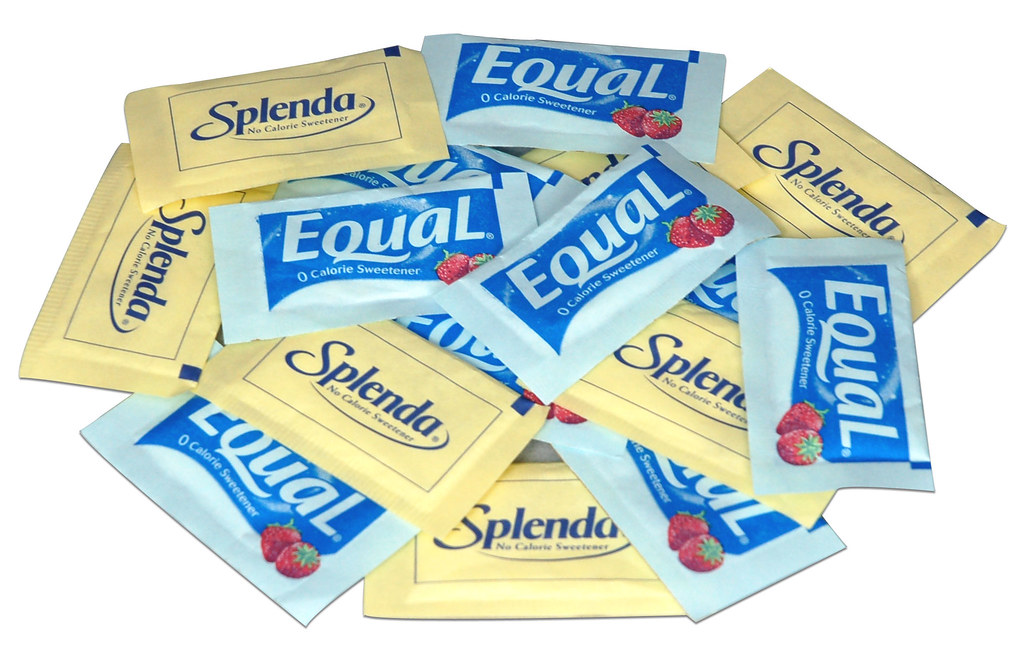
A sugar replacement called erythritol found in Splenda and Equal has been linked by a study to blood clotting, stroke, heart attack, and death.
Erythritolused is used to add bulk or sweeten stevia, monkfruit and keto reduced-sugar products.
Lead study author Dr. Stanley Hazen, director of the Center for Cardiovascular Diagnostics and Prevention at the Cleveland Clinic Lerner Research Institute, warned that “the degree of risk was not modest.”
The study, released on Monday in the journal Nature Medicine, found that people with pre-existing risk factors for heart disease, such as diabetes, were twice as likely to have a heart attack or stroke if they had the highest amounts of erythritol in their blood.
According to Hazen, there was an approximately two-fold increased risk for heart attack and stroke for those whose blood level of erythritol was in the top 25 percent as opposed to the lowest 25 percent. It is comparable to the most serious cardiac risk factors, such as diabetes.
Additional lab and animal research presented in the paper revealed that erythritol appeared to be causing blood platelets to clot more readily. Clots can break off and travel to the heart, triggering a heart attack, or to the brain, triggering a stroke.
Dr. Andrew Freeman, director of cardiovascular prevention and wellness at National Jewish Health, a hospital in Denver, said there appears to be a clotting risk from using erythritol, and that it might make sense to limit erythritol in your diet for now.”
Freeman was not involved in the research.
In response to the study, Robert Rankin, executive director of the Calorie Control Council, an industry association, said that “the results of this study are contrary to decades of scientific research showing reduced-calorie sweeteners like erythritol are safe, as evidenced by global regulatory permissions for their use in foods and beverages.”
Rankin added that the results “should not be extrapolated to the general population, as the participants in the intervention were already at increased risk for cardiovascular events.”







