


 Anthropic’s Claude Discovers CRISPR-Like Enzyme System
  Databricks to Invest $350 Million in Singapore AI Expansion
  Burnham Eyes UK Leadership Role in AI Ahead of Trump Meeting
  Tencent Launches TenPayGo Payment App for Foreign Tourists in China
  Scott Bessent Eyed as Trump’s New AI Czar
  Meta Connect Spotlights Camera-Free Smart Glasses Amid Privacy Concerns
  Hyundai CEO Warns Chinese Automakers Could Disrupt US Market
  France Urges Faster AI Push Despite Safety Risks
  Nvidia CEO Jensen Huang Expected at Trump-Xi State Dinner
  US Federal Register Drops Alibaba Qwen AI Search Tool
  Trump Plans Federal AI Force and AI Czar
  SoftBank Launches $11 Billion Bond Sale to Fund OpenAI Investment
  China Reviews Broadcom Switch Use in State Data Centres
  SpaceX Nasdaq 100 Weight to More Than Double in Rebalance
  SK Hynix, Intel Discuss U.S. Memory Chip Production Deal
  Meta Unveils Muse Charm AI Device, Expands Smart Glasses Lineup
  China’s ‘Lipstick King’ Says AI Won’t Replace Livestream Hosts


 Add as a preferred source on Google
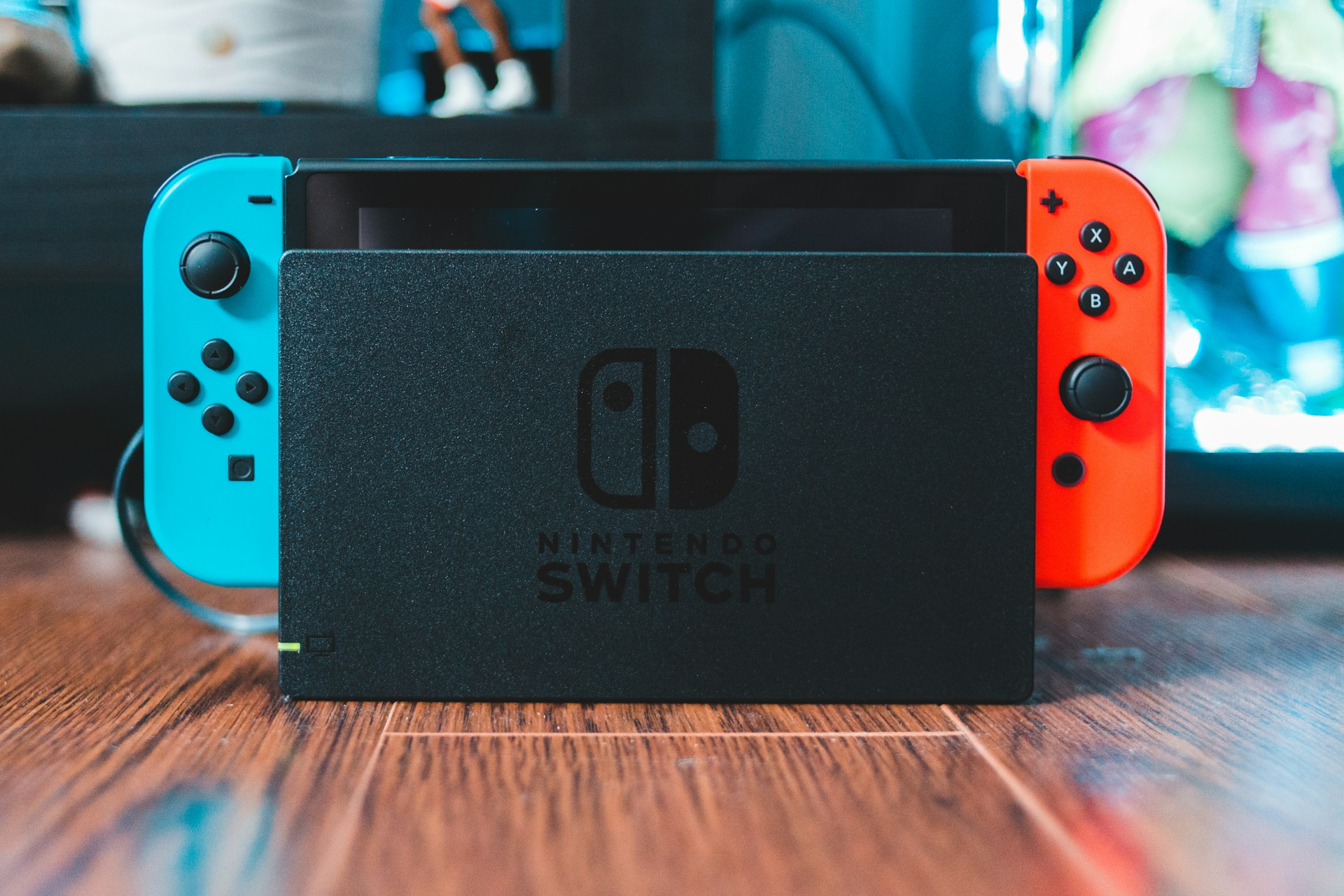
The widely used Yuzu Switch emulator's fate hangs in the balance as developers settle with Nintendo for $2.4 million.
Yuzu's Demise: Public Statement Sparks Concern Among Emulation Enthusiasts
Following its agreement with Nintendo, Yuzu's development team posted a public statement on X affirming the emulator's demise and impending removal from the internet. The timing and language of the statement alarmed emulator enthusiasts, who fear that it portends doom for upcoming emulator initiatives.
Yuzu's manufacturer, Tropic Haze LLC, and Nintendo of America "consent to judgment in favor of Nintendo and jointly move the court for monetary relief in the amount of $2,400,000.00 in favor of Nintendo and against defendant" (joint filing).
By the proposed final judgment and permanent injunction, the Yuzu developers would be legally prohibited from engaging in the following activities: "offering Yuzu or any source code or features thereof to the public, providing, marketing, advertising, promoting, selling, testing, hosting, cloning, distributing, or otherwise trafficking in Yuzu."
In addition, the provisions stipulated that the Yuzu website be discontinued and that the developers return any "physical circumvention devices" or modified Switch consoles to Nintendo. The final verdict has yet to be determined; however, considering the joint filing of attorneys representing Nintendo and Tropic Haze, it is reasonable to assume that Yuzu's future is not promising.
Legal Precedents and the Future of Emulation: Insights from the Yuzu Settlement
Emulation is not inherently unlawful; one could argue that Nintendo designed the Switch to be a monstrous emulator. In contrast, Nintendo filed a suit against Yuzu, alleging that the emulator illicitly circumvented the Switch's game encryption keys and promoted one million unauthorized downloads of Zelda: Tears of the Kingdom before its official release, according to GameRadar.
This is all contingent on a judge's approval, but it is worth noting that this settlement would prevent a rigorous trial of the case in court. A significant emulator trial has yet to occur in the United States since Bleem, a PlayStation emulator commercially available during the PS1's production run. Sony filed a lawsuit against the developers of Bleem, but the emulator developers prevailed, establishing the legality of developing and selling emulation software.
The Yuzu settlement would not alter this precedent. Although this is extremely unfortunate for Yuzu and its developers, emulation will likely continue without significant disruption, particularly for emulators that do not incorporate methods to bypass copy protection.
Photo: Erik Mclean/Unsplash







