


 WiseTech Global Shares Surge as Richard White Steps Down as Executive Chair
  SK Hynix’s $28B U.S. IPO Draws Strong Demand as AI Chip Boom Fuels Investor Interest
  Meta Says States Seek $1.4 Trillion in Penalties Over Teen Social Media Addiction Lawsuit
  SK Hynix Soars 13% in Nasdaq Debut After Record $26.5 Billion IPO
  Samsung Q2 Profit Hits Record on AI Memory Boom as Shares Tumble
  SK Hynix’s $28 Billion U.S. Share Sale Draws Massive Demand Amid AI Chip Boom
  Wolfspeed Sues Navitas Over GaN and SiC Patent Infringement
  Foxconn Q2 Revenue Surges Nearly 40% on Strong AI Server Demand
  Kuaishou Stock Jumps as Kling AI Secures $2 Billion Funding Round
  Elon Musk Says Anthropic Leads AI Race as Claude Models Challenge OpenAI
  Apple Sues OpenAI, Former Employees Over Alleged Trade Secret Theft
  SpaceX Stock Draws Bullish Wall Street Coverage Ahead of Nasdaq-100 Inclusion
  OpenAI GPT-5.6 Set for Wider Release After U.S. Commerce Approval, Report Says
  Samsung Chairman Lee Jae-yong Expected to Meet Nvidia CEO Jensen Huang on AI and Chip Partnership
  Zhipu AI Stock Jumps on Report of Custom AI Chip Development Plans


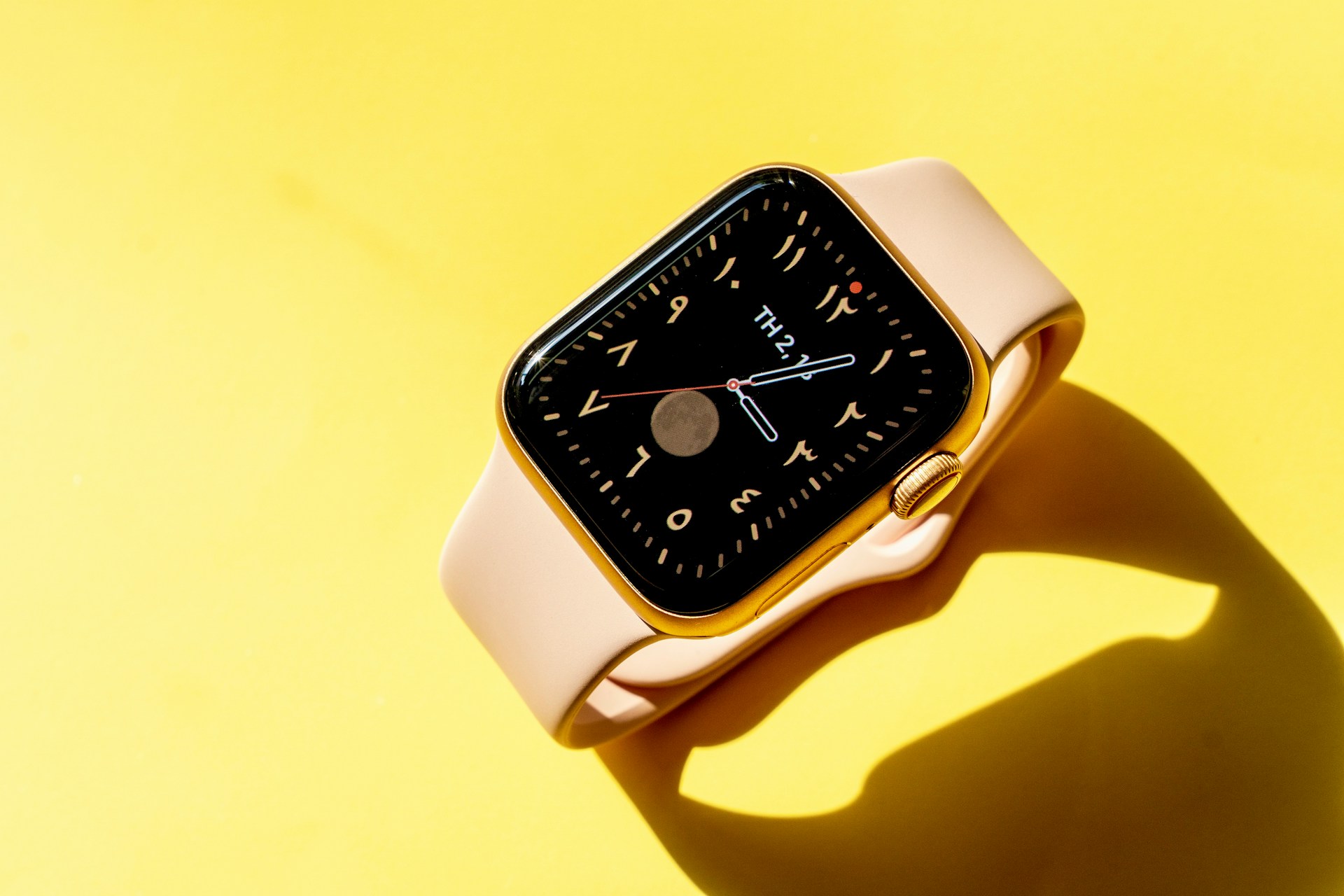
Apple is actively seeking new suppliers for its microLED display technology for the Apple Watch Ultra, despite recent project cancellations and setbacks. The technology giant remains committed to advancing microLED displays, seeking alternatives after parting ways with supplier OSRAM. Reports suggest potential new partnerships with Taiwan's AU Optronics and PlayNitride, aiming to overcome the high costs and technical challenges associated with microLED production.
Apple's Search for New MicroLED Partners Intensifies After OSRAM Project Cancellation
OSRAM, an Apple supplier, declared it "unexpectedly canceled" a "cornerstone project" last week. Display Supply Chain Consultants of Counterpoint Research informed MacRumors that this endeavor pertained to the rumored Apple Watch featuring a microLED display.
Subsequently, Apple analyst Ming-Chi Kuo supplied his opinion on the subject, stating that Apple has terminated the project for the "foreseeable future."
DigiTimes reported that Apple continues to allocate numerous internal teams to microLED projects and is proactively pursuing alternative suppliers in opposition to this narrative. "The OSRAM LED chip may have been replaced due to a drop in performance, and Apple may have already found a replacement for Taiwan or China, which is ahead in the microLED field," according to ETNews.
PlayNitride and Taiwan's AU Optronics (AUO), as per DigiTimes, are among the potential frontrunners to meet Apple's production requirements. PayNitride is a mass-producing circuit comparable to the microLED watch display panels that AUO has just begun mass-producing.
Rumors say that due to scale limitations, negotiations between Apple and PlayNitride have stalled, but AUO has emerged as a "promising partner" with its developments in microLED display applications.
TrendForce stated that Taiwan and South Korea are home to a "robust lineup of manufacturers for Micro LED chips, backplanes, and related transfer processes." The reports corroborate these assertions.
High Costs and Technological Hurdles Challenge Apple's MicroLED Ambitions for Watch Ultra
At this time, according to Kuo, microLED production expenses are "too high" to make the Apple Watch Ultra project "economically viable." However, industry sources consulted by DigiTimes indicate that the initial exorbitant expenses associated with microLED manufacturing are to be expected.
"Based on Apple's track record in development, high expenses tied to pioneering technologies are typically manageable and can be addressed as long as production scales up," said the report. "However, the primary challenge persists in overcoming associated technological bottlenecks."
An omission of circuit control design within the LEDs is purported to be one of these constraints, thereby increasing the potential for LED chip damage. "Furthermore, the stamp technology solution falls short in achieving precise transfer, particularly when interfacing with Osram's vertical chips," as reported by DigiTimes.
Apple likely retains aspirations for a future transition to microLED, according to the most significant findings of the day. However, the Apple Watch Ultra will not be guaranteed to be the initial product to incorporate this technology.
The Elec reports in a separate article that while Apple awaits the reduction of watch implementation costs, the company may opt to prioritize microLED technology for future iterations of the Apple Vision Pro that are more lightweight.
Photo: Vựa Táo/Unsplash







