


 Apple Pay Set for India Launch With Axis Bank
  Microsoft Stock Upgraded as Stifel Sees Stronger Azure Growth
  Petrobras Joins Brazil’s New Diesel Subsidy Program
  Paramount-Warner Bros $110 Billion Deal Draws Antitrust Backlash
  Scott Bessent Eyed as Trump’s New AI Czar
  SoftBank Raises $11.1 Billion in Bond Sale to Fund OpenAI Investment
  Prysmian, Rio Tinto Supply Low-Carbon Cables for Amazon Ohio Data Center
  US Northeast Airports Resume Operations After Telecom Outage Disrupts Thousands of Flights
  CNN, MS NOW and Politico Sue Trump Over White House Media Ban
  SpaceX Nasdaq 100 Weight to More Than Double in Rebalance
  Anthropic’s Claude Discovers CRISPR-Like Enzyme System
  Meta Partners With Shopify to Bring Shop Pay Checkout to Muse AI
  Japan, U.S. Discuss $19 Billion GlobalFoundries Chip Plant
  Novo Nordisk Weighs Direct NYSE Listing to Boost U.S. Profile
  Meta Unveils Muse Charm AI Device, Expands Smart Glasses Lineup
  Nike Earnings at Risk as UBS Cuts Price Target to $42


 Add as a preferred source on Google
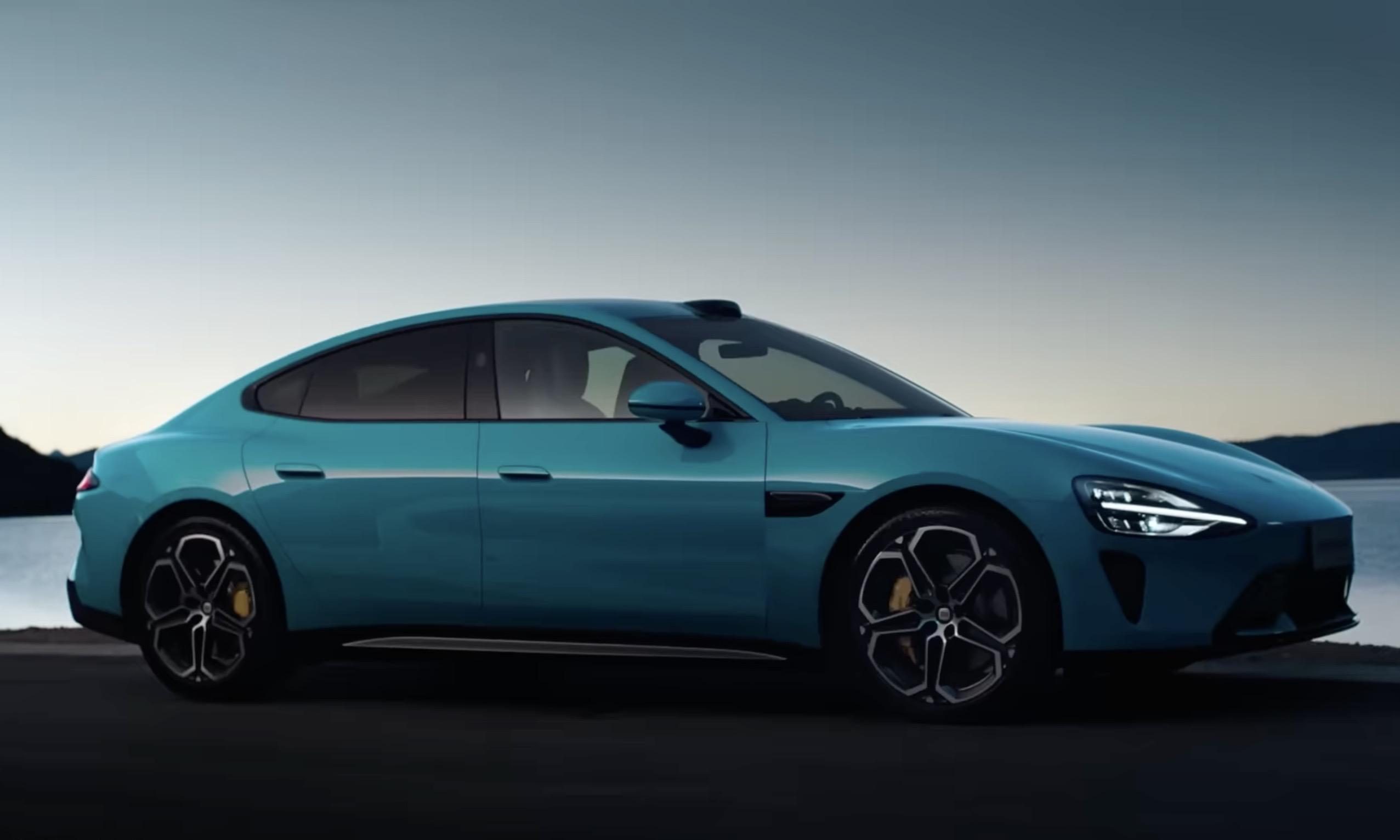
As Xiaomi ventures into electric vehicles, it positions itself in China's competitive EV sector, focusing on pricing and market disruption. The debut of its first electric vehicle, the SU7, marks a significant move after CEO Lei Jun's $10 billion investment pledge in 2021.
Xiaomi's Electric Vehicle Debut: Priced to Compete with Luxury, Aiming for Market Disruption
The world's third-largest smartphone vendor has only stated that its vehicle will be priced below 500,000 yuan ($69,170.64). The models it unveiled in more than 70 stores across China on Monday have been compared to Porsche's Taycan and Panamera sports cars.
According to a Reuters report, Xiaomi CEO and founder Lei Jun announced the company's foray into EVs in 2021, and the launch fulfills that ambition. He promised to invest $10 billion in Xiaomi's auto business, calling it "the last major entrepreneurship project" of his life.
Since then, updates on the project have been closely watched in China, from its manufacturing partnership with state-owned automaker BAIC Group to the December debut of the SU7 - short for Speed Ultra 7 - sedan.
Analysts are split on whether Xiaomi's car project will succeed. Some argue that it is a natural extension for Xiaomi, whose rice cookers, air purifiers, and other electronics are standard in Chinese homes, allowing it to provide a more seamless digital experience and collect more data.
According to Bill Russo, CEO of Shanghai-based advisory firm Automobility, "there are no better companies at knowing how to monetize screens than mobile device companies" in China's digitally oriented car market.
However, Lei stated that the SU7 would be "a bit expensive" in contrast to the company's image as an affordable brand.
Some analysts predict the car will cost between 200,000 and 300,000 yuan ($27,668.26 to $41,502.39) or more.
"Can (Chinese consumers) make that psychological leap from mass-market, cool, low-cost consumer and home products to premium EV?" asked Tu Le, founder of consultancy Sino Auto Insights, noting that most vehicles sold in China cost less than 300,000 yuan.
Xiaomi's Market Fortunes Hinge on EV Launch Amid Intense Competition and Price Wars
In a recent report by Bloomberg, Xiaomi's $8 billion stock rally will be tested on March 28 when the Chinese smartphone giant unveils its first electric vehicle. The company is attempting to break into an unfamiliar and highly competitive market.
It will begin selling its SU7 series in China, resulting from a $10 billion investment into the world's largest EV market, which is dominated by Tesla and BYD. According to analysts' pricing predictions, the sedan will likely enter the most competitive segment.
Billionaire co-founder Lei Jun referred to the challenge as his final major project, which will test Xiaomi's technological capabilities for the second time in a competitive market. With a year-long EV price war in China, the reception of the SU7 will likely dictate Xiaomi's stock momentum, which has increased by 22% since its February low.
"The EV business is likely to be a profitability drag for Xiaomi until it achieves scale, but we expect this to be a positive share price driver in the initial phase during early volume shipments," JPMorgan Chase & Co. analysts, including Gokul Hariharan, wrote in a note. They added that the market anticipates more than 50,000 shipments in the first year of SU7's release.
China's electrified car market is expected to slow for a second year, with a critical industry body predicting sales growth in 2024 to be 25%, down from 36% last year and 96% in 2022. BYD, the market leader, sold 3 million new energy vehicles in 2023, while more minor player Li Auto Inc. delivered approximately 376,000 units.
Photo: Xiaomi/YouTube Screenshot







