


 Chinese Universities with PLA Ties Found Purchasing Restricted U.S. AI Chips Through Super Micro Servers
  Judge Dismisses Sam Altman Sexual Abuse Lawsuit, But Sister Can Refile
  Reflection AI Eyes $25 Billion Valuation in Massive $2.5 Billion Funding Round
  Nanya Technology Shares Surge 10% After $2.5 Billion Private Placement from Sandisk and Cisco
  Elon Musk Announces Terafab: SpaceX and Tesla to Build Dual AI Chip Factories in Austin, Texas
  Nintendo Switch 2 Production Cut as Holiday Sales Miss Targets
  Palantir's Maven AI Earns Pentagon "Program of Record" Status, Reshaping Military AI Strategy
  Trump White House Unveils National AI Policy Framework for Congress
  Meta Ties Executive Pay to Aggressive Stock Price Targets in Major Retention Push
  Unilever and Magnum Face Defamation Lawsuit Over Ben & Jerry's Board Chair Dismissal
  Jefferies Upgrades Sodexo to Buy With €55 Target After Historic CEO Appointment
  Google's TurboQuant Algorithm Sends Memory Chip Stocks Tumbling
  Brown-Forman and Pernod Ricard in Merger Talks to Create World's Largest Spirits Giant
  Federal Judge Blocks Pentagon's Blacklisting of AI Company Anthropic
  Europe's Aviation Sector on Track to Meet 2025 Green Fuel Mandate
  NVIDIA's Feynman AI Chip May Face Redesign Amid TSMC Capacity Crunch
  OpenAI's Desktop Superapp: Unifying ChatGPT, Codex, and Browser Tools for Enterprise AI


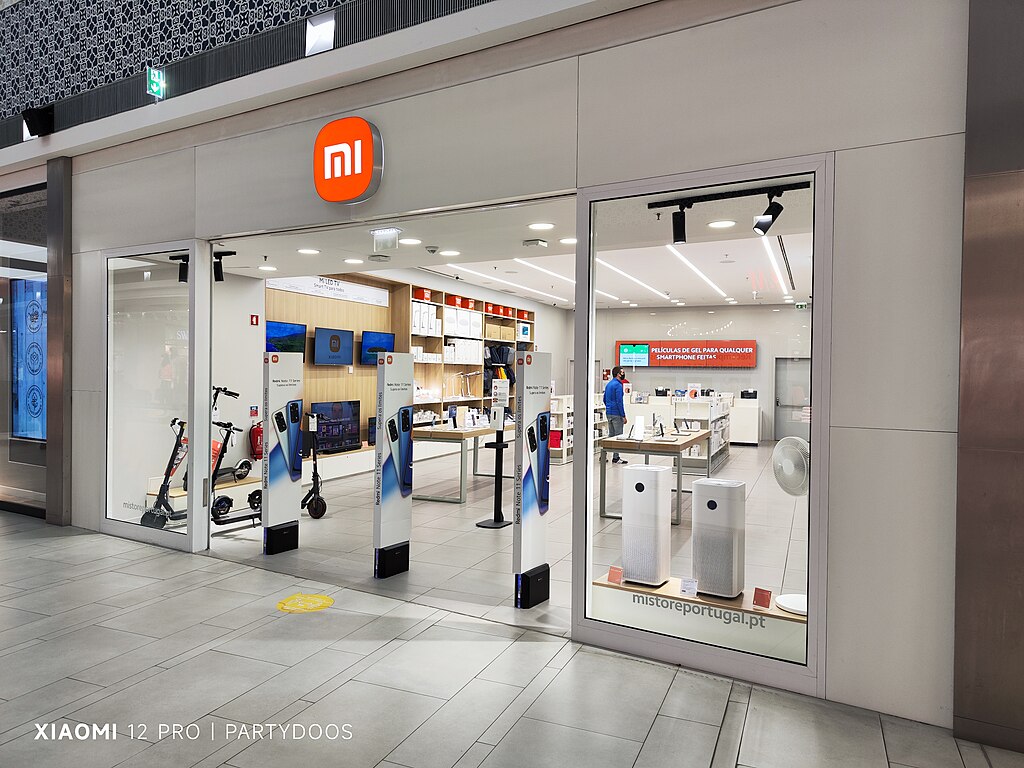
Xiaomi (OTC:XIACF), a leading Chinese smartphone and electric vehicle manufacturer, plans to invest over 50 billion yuan (approximately $6.93 billion) into semiconductor chip design by 2031. The strategic initiative, revealed by founder Lei Jun on China’s Weibo (NASDAQ:WB), underscores Xiaomi’s long-term commitment to enhancing its technological independence and competitiveness in the high-tech sector.
Since launching its chip initiative in 2021, Xiaomi has already poured 13.5 billion yuan into developing its advanced mobile chipset, the XringO1. This flagship chip reflects Xiaomi’s ambition to build in-house capabilities that rival global semiconductor leaders. Lei Jun also disclosed that over 2,500 engineers are currently employed within Xiaomi’s chip design division, highlighting the scale and seriousness of the company’s R&D investment.
The move aligns with China’s broader push for self-reliance in key technologies amid ongoing geopolitical tensions and supply chain disruptions. For Xiaomi, the investment strengthens its positioning not only in the smartphone market but also in the electric vehicle (EV) space, where chip performance is becoming increasingly critical for smart driving systems.
With a focus on long-term innovation and vertical integration, Xiaomi’s chip strategy is expected to enhance performance, reduce dependency on foreign suppliers, and drive synergy across its expanding ecosystem of consumer electronics and EVs.
This announcement comes as the company showcases its latest technologies at Auto China 2024 in Beijing, drawing attention from both investors and tech analysts tracking China’s emerging semiconductor ambitions. As competition intensifies, Xiaomi’s multi-billion dollar chip bet could shape its future as a leading global tech powerhouse.







