


 SoftBank Eyes Up to $25B OpenAI Investment Amid AI Boom
  Gold Prices Rise as Markets Await Trump’s Policy Announcements
  Oil Prices Rise as Iran-U.S. Tensions Threaten Strait of Hormuz Supply
  UK Markets Face Rising Volatility as Hedge Funds Target Pound and Gilts
  Oil Prices Rise as U.S.-Iran Tensions Grip Strait of Hormuz
  Infosys Shares Drop Amid Earnings Quality Concerns
  Colombia Earthquake Losses Estimated at $9.58 Billion as Reconstruction Challenge Mounts
  Gold Prices Rise as Weak US Data and Hormuz Risks Boost Safe-Haven Demand
  Why your retirement fund might soon include cryptocurrency
  BSP Sees Philippine Inflation Easing, Keeps Policy Options Open
  Mexico's Undervalued Equity Market Offers Long-Term Investment Potential
  Wall Street Falls as Oil Prices Rise, Fed Minutes and Retail Earnings in Focus
  US Dollar Hovers Near Multi-Month Lows as Fed Rate Hike Bets Ease
  Malaysia Inflation Eases to 1.8% in July, Below Forecast
  Why the Middle East is being left behind by global climate finance plans
  US Dollar Slips as Soft Economic Data Eases Fed Rate Hike Expectations


 Add as a preferred source on Google
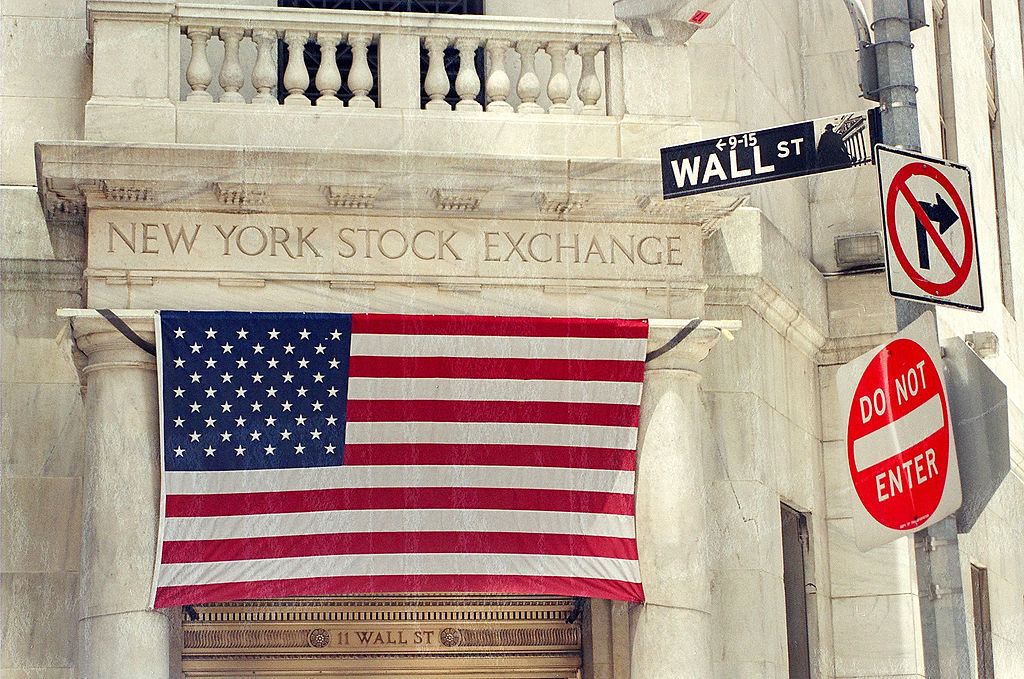

The number of new COVID-19 cases in the U.S. is still climbing rapidly, over 20 million Americans remain unemployed, dozens of major companies have reportedly filed for bankruptcy, the country is officially in a recession and there’s still no vaccine in sight. Yet America’s main stock market index has surged as much as 44% since hitting a three-year low on March 23, erasing most of its coronavirus losses.
What’s going on?
As an economist who closely follows financial markets, I believe the short answer is the Fed.
On March 22, just before the Standard & Poor’s 500 bottomed out, the U.S. Federal Reserve announced it would begin buying an unprecedented array of assets, including corporate bonds, for the first time. The Fed, which later committed to buying up to US$2.3 trillion in assets, also said it would increase funding to its Exchange Stabilization Fund – which helps regulate the foreign currencies trade – and would purchase more U.S. government bonds and mortgage-backed securities.
The Fed’s decision to begin buying corporate bonds matters to stock investors because it ensures corporations can access credit markets and borrow at very low rates, which ultimately leads to higher profits down the road. Borrowing costs, or yields, on top-rated corporate bonds are about the lowest in at least a century.
This had a second positive impact on stock investors by signaling that the Fed’s unprecedented firepower will eventually be able to restore economic stability, mitigating concerns that the economic and health crises would cause a financial crisis. In just the past few weeks, the amount of securities held by the central bank has swelled from under $4 trillion to $5.96 trillion as of June 3 because of its massive purchases of various securities.
So in a nutshell, despite the dire economic situation still sharply felt by so many, particularly consumers, investors have been fueling and experiencing a sudden bull market, built on optimism that the Fed has put a bottom under the economy – just as it did during the Great Recession in 2008.
Will it last? A sharp crash on June 11, over concerns of a second wave of coronavirus infections, suggests that day traders should tread carefully. Dr. Anthony Fauci’s “worst nightmare” isn’t over yet.
Jonathan T. Fluharty-Jaidee does not work for, consult, own shares in or receive funding from any company or organization that would benefit from this article, and has disclosed no relevant affiliations beyond their academic appointment.







