


 Capital One Says AML Review Led to Closure of Trump Organization Accounts
  TikTok, DOJ Reach $400 Million Children’s Privacy Settlement
  California Seeks Paramount Divestitures in Warner Bros. Merger
  Warner Bros. Discovery Shares Rise as Newsom Pushes Settlement in $110 Billion Merger Fight
  Sun Pharma Wins U.S. Appeal in Pfizer Lipitor Antitrust Case
  Meta Ordered to Pay $567M Over Child Safety Violations in New Mexico
  Bashar al-Assad Sentenced to Death by Syrian Court
  SEC Moves to Dismiss Insider Trading Case Against Trump-Pardoned Terren Peizer
  Judge Blocks Trump Mail Voting Order Ahead of 2026 Midterms
  Johnson & Johnson Proposes $5.5 Billion Talc Settlement to Resolve U.S. Ovarian Cancer Lawsuits
  DOJ Rescinds Anti-Weaponization Fund Ahead of Todd Blanche Senate Confirmation Vote
  Prince Harry Faces Potential Multi-Million-Pound Legal Bill in Daily Mail Case
  25 Democratic-Led States Sue Trump Administration Over New Global Tariffs
  29 US states are suing Meta. What might it mean for the rest of the world?


 Add as a preferred source on Google
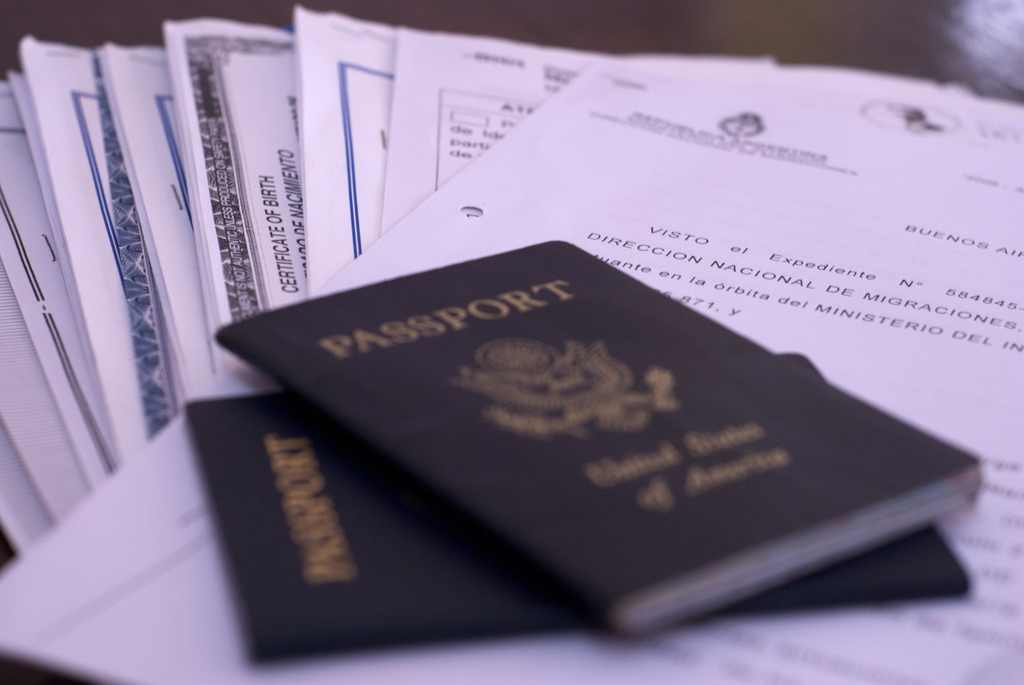

You are not authorized to travel to the United States.
Scheduled to speak at the International Studies’ Association’s Annual Convention in Atlanta the following week, I stared at my computer screen in utter disbelief at the notification from the US Department of Homeland Security.
I had visited Iran in 2013 as a tourist – an unwise move, as US officials would have us believe, as it now makes me ineligible for their new “improved” Visa Waiver Program. Consequently, the necessary visa (costing US$160) would not have reached me in time for my scheduled flight. As an EU citizen and academic working at a UK university, I was effectively barred from attending a conference in the US.
How did we get here? Under the previous Visa Waiver Program, citizens of 38, mostly European, countries could visit the US for up to 90 days without undergoing the lengthy process of applying for a visa.
But in a hasty effort to react to the November 2015 terrorist attacks in Paris, the US Congress adopted the suggestively labelled Visa Waiver Program Improvement and Terrorist Travel Prevention Act in December 2015. This Act now forces citizens from the previously exempted 38 countries, who also happen to be citizens of Iran, Iraq, Sudan or Syria, or who have visited any of these countries on or after March 1 2011, to obtain a visa to travel to the US.
We’re watching where you’ve been
The new restrictions aim to prevent people with ties to countries thought to pose a terror threat from using the Electronic System for Travel Authorization to travel to the US with minimal screening.
Let us leave aside for a moment the arbitrary classification of some of these countries as “terror threats” and the false sense of security that these ill-conceived reforms bring about. The new policy erects discriminatory barriers for scholars, people with dual nationality, or tourists that happened to travel to what the US Department of Homeland Security and the State Department interprets as the “wrong” country.
But the policy also has a broader dimension against the backdrop of the nuclear agreement negotiated between Iran and the five permanent UN Security Council members, plus Germany (P5+1), in July 2015. In exchange for Iran honouring its terms of the nuclear agreement, international as well as EU and US nuclear-related sanctions began to be lifted on January 16 2016. This process will be gradual, so that a new chapter in relations with Iran can begin.
The new US visa legislation, however, flies in the face of Article 29 of the Joint Comprehensive Plan of Action of the Iran deal, which reads:
The EU and its Member States and the United States, consistent with their respective laws, will refrain from any policy specifically intended to directly and adversely affect the normalisation of trade and economic relations with Iran.
Iranian lobby groups, the Iranian government, civil rights organisations, and also the European Union have criticised the US visa legislation as being disproportionately and unfairly discriminatory. The EU has even threatened the US with formal reciprocity mechanisms under EU law, should the new visa requirements for EU citizens not be lifted by April 2016.
Iranian foreign minister Mohammad Javad Zarif has called the US law “absurd”.
The US State Department is trying to assuage the firestorm, arguing that exemptions can be made for journalists, humanitarian workers and business people. Such exemptions, however, are considered on a case-by-case basis. Defining “legitimate business-related purposes” will remain a political exercise.
The current regulations impose undue bureaucratic hurdles that are likely to impede the normalisation of trade and economic relations between the US and Iran as foreseen in the text of the 2015 deal.
There is already a level of legal uncertainty concerning the persistence of US financial sanctions on Iranian entities and individuals that were adopted because of Iranian “sponsorship of terrorism” and human rights violations. Added to this, the short-sighted visa episode sends another ambivalent policy signal about the US’s commitment to the deal.
Undermining the deal
Institutional turf wars and politicking between the administration and Congress can undermine the pledges made in last year’s nuclear agreement. House majority leader Kevin McCarthy, a Republican, admitted as much in December when he said:
It was not and has never been Congress’s intent to allow the Administration to grant a blanket waiver to travellers to and from Iran in order to facilitate the implementation of the Iran deal.
The question remains as to why President Barack Obama signed the controversial Act into law. With such legislation putting a dampener on the prospect of normalisation of relations between the US and Iran any time soon, it also strikes a bitter note for European-American relations.
American legislation already has far-reaching extraterritorial effect. US financial sanctions have the power to regulate a third country’s economic relations by nature of the weight of the US capital market. It is now high time for Europe to lodge more than a routine diplomatic protest against the US move to dictate conditions for European citizens’ movement across borders.
 Moritz Pieper does not work for, consult, own shares in or receive funding from any company or organization that would benefit from this article, and has disclosed no relevant affiliations beyond the academic appointment above.
Moritz Pieper, Lecturer in International Relations, University of Salford
This article was originally published on The Conversation. Read the original article.







