


 Elon Musk Ties SpaceX IPO Access to Mandatory Grok AI Subscriptions
  SpaceX Eyes Historic IPO at $1.75 Trillion Valuation
  Lumentum Holdings Rides AI Wave With Order Book Filled Through 2028
  Britain Courts Anthropic Amid US Defense Department Dispute
  OpenAI Executive Shake-Up Ahead of Anticipated 2026 IPO
  China's Push to Steal Taiwan's Chip Technology and Talent Raises Security Alarms
  Samsung Electronics Eyes Record Q1 Profit Amid AI-Driven Chip Boom
  U.S. Disrupts Russian Military Hackers' Global DNS Hijacking Network
  TSMC Japan's Second Fab to Produce 3nm Chips by 2028
  Bendigo and Adelaide Bank Posts Strong Q3 Earnings, Announces AI-Driven Job Cuts
  Anthropic Fights Pentagon Blacklisting in Dual Federal Court Battles
  Apple's Foldable iPhone Faces Engineering Setbacks, Mass Production Timeline at Risk
  China vs. NASA: The New Moon Race and What's at Stake by 2030
  Annie Altman Amends Sexual Abuse Lawsuit Against OpenAI CEO Sam Altman
  Alibaba Shares Slide as Jefferies Slashes Price Target Over AI Spending and Business Losses
  California's AI Executive Order Pushes Responsible Tech Use in State Contracts
  China's AI Stocks Surge as Zhipu and MiniMax Hit Record Highs


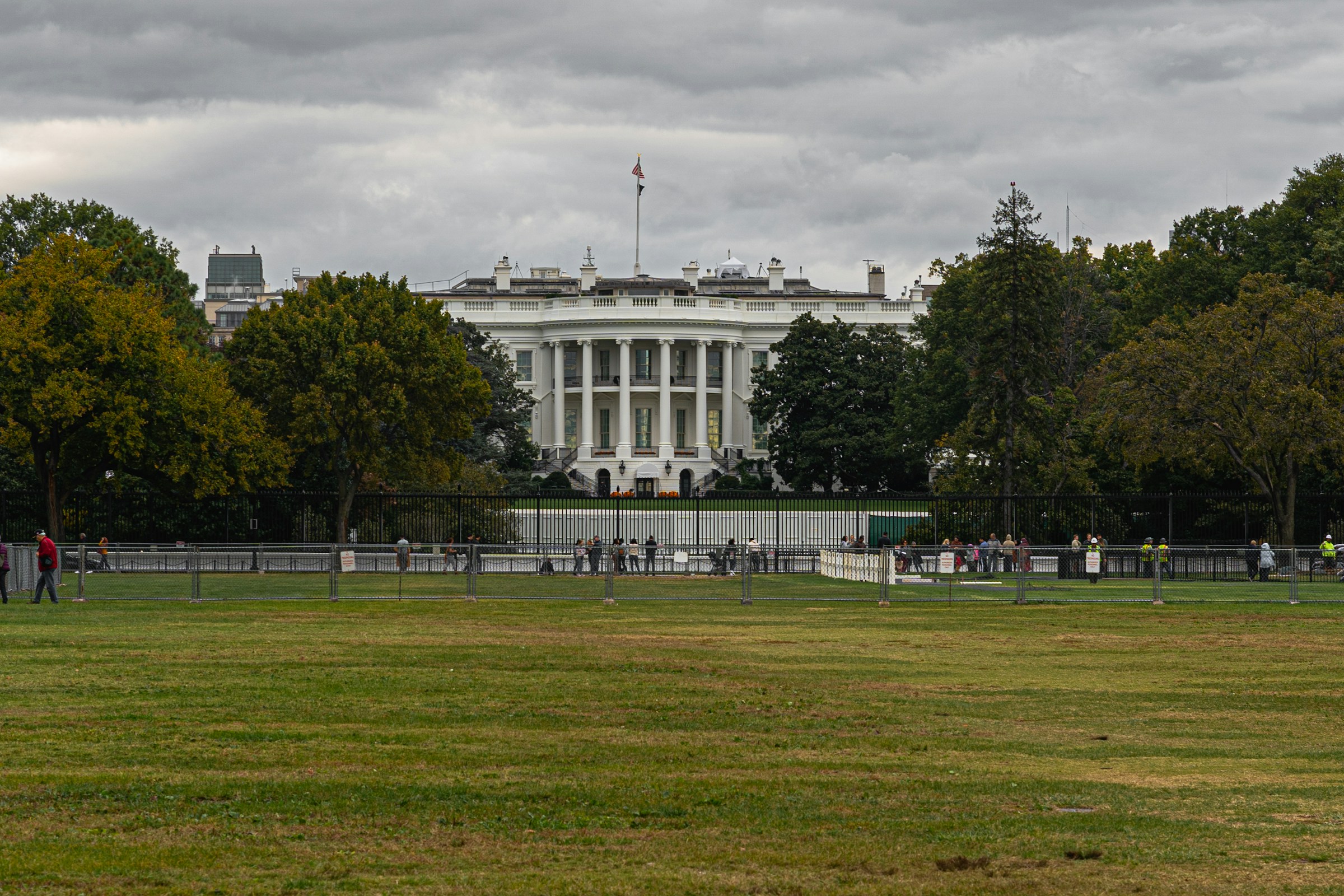
The White House is grappling with the growing challenge of distinguishing authentic information from AI-generated content in an era where sophisticated generative artificial intelligence tools are readily available to the public.
This concern arises as incidents of fake content, such as AI-generated robocalls, threaten to undermine public trust in official communications.
Rise of Generative AI Poses Challenges
Since President Joe Biden assumed office in 2020, White House officials have been closely monitoring developments in artificial intelligence, particularly generative AI.
However, the landscape shifted dramatically with the proliferation of user-friendly AI tools like OpenAI's ChatGPT, prompting a surge in the creation of deep fakes. Major tech companies and startups alike raced to introduce accessible AI platforms, intensifying concerns over the spread of manipulated content.
According to Business Insider, despite regulatory efforts, including the Federal Communications Commission's recent declaration of illegal AI-generated calls, the proliferation of increasingly sophisticated generative AI tools continues unabated. These tools empower individuals with minimal technical expertise to produce convincing yet entirely fabricated images, videos, and audio recordings.
White House Takes Action to Ensure Trustworthy Communications
Recognizing the imperative to safeguard the integrity of official communications, Ben Buchanan, Biden's Special Advisor for Artificial Intelligence, revealed ongoing efforts within the White House to implement robust verification measures.
Buchanan emphasized the necessity of "essentially cryptographically verifying" all official communications from the White House, including statements and videos.
Last year's executive order established an AI Safety Institute to develop content watermarking standards for provenance verification. Buchanan clarified that the initiative to verify White House communications operates independently. Although the process is lengthy, Buchanan affirmed that it is actively underway.
According to Yahoo News, the overarching objective is to instill confidence among the public that any video released by the White House featuring President Biden is authentic and untampered with by external parties.
Buchanan underscored the importance of preemptive measures to mitigate the potential harms of AI-generated content manipulation, emphasizing the administration's commitment to proactively addressing emerging challenges.
Photo: J. Santiago/Unsplash







