


 Nvidia CEO Jensen Huang Says AI Investment Boom Is Just Beginning as NVDA Shares Surge
  FDA Targets Hims & Hers Over $49 Weight-Loss Pill, Raising Legal and Safety Concerns
  Australian Scandium Project Backed by Richard Friedland Poised to Support U.S. Critical Minerals Stockpile
  Toyota’s Surprise CEO Change Signals Strategic Shift Amid Global Auto Turmoil
  OpenAI Expands Enterprise AI Strategy With Major Hiring Push Ahead of New Business Offering
  Sony Q3 Profit Jumps on Gaming and Image Sensors, Full-Year Outlook Raised
  SpaceX Pushes for Early Stock Index Inclusion Ahead of Potential Record-Breaking IPO
  Once Upon a Farm Raises Nearly $198 Million in IPO, Valued at Over $724 Million
  Amazon Stock Rebounds After Earnings as $200B Capex Plan Sparks AI Spending Debate
  Nintendo Shares Slide After Earnings Miss Raises Switch 2 Margin Concerns
  Global PC Makers Eye Chinese Memory Chip Suppliers Amid Ongoing Supply Crunch
  Nvidia Nears $20 Billion OpenAI Investment as AI Funding Race Intensifies
  Uber Ordered to Pay $8.5 Million in Bellwether Sexual Assault Lawsuit
  SpaceX Prioritizes Moon Mission Before Mars as Starship Development Accelerates
  CK Hutchison Launches Arbitration After Panama Court Revokes Canal Port Licences
  Anthropic Eyes $350 Billion Valuation as AI Funding and Share Sale Accelerate
  Tencent Shares Slide After WeChat Restricts YuanBao AI Promotional Links


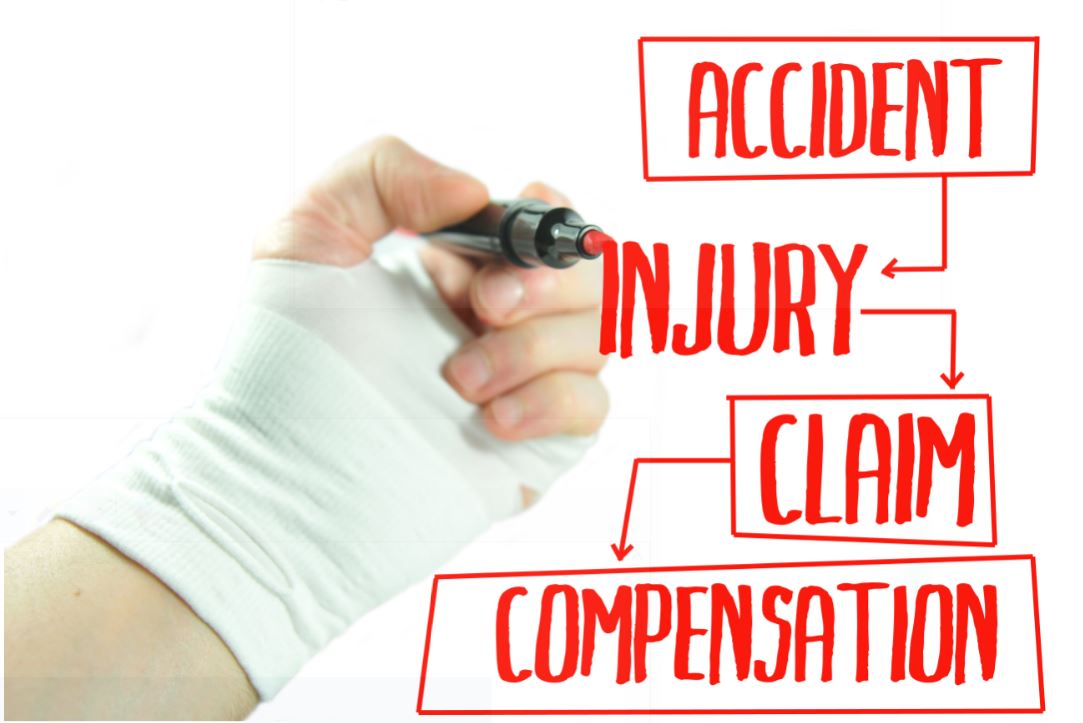
When another party, regardless if it’s a business or a person, causes you to get injured, you have all the right to expect compensation.
Every day, someone gets hurt by medical errors, defective products, dog bites, slips and falls, car accidents, and more.
Imagine getting injured because of a car accident that’s caused by someone else. As a result, you’ll have to deal with hospital bills and continuing therapy costs. You’re hurt and, unfortunately, can’t go to work. The pain from which you’re suffering continues daily.
If that is the case, what’s the best thing to do? Should you call a personal injury lawyer and file a lawsuit against the driver who is at fault? Or, filing a claim and trying to negotiate a fair settlement would be a better move? It’s essential to note that a personal injury lawsuit and a personal injury claim are distinct and separate from one another. You have to understand which of the two ways of seeking injury compensation best applies to your current situation.
What’s The Difference Between A Lawsuit And A Claim?
Lawsuits and claims are two different ways of seeking personal injury compensation. Personal injury damages include the following:
-
Pain and suffering
-
Lost wages
-
Cost of ruined eyeglasses, clothes, and other personal items
-
Bandages, crutches, medications, and other out-of-pocket medical expenses
-
Rehabilitation and physical therapy expenses
-
Dental and medical bills
A personal injury claim will usually involve an insurance company, like malpractice insurance, business liability insurance, homeowner’s insurance, or auto insurance.
A personal injury claim will be between the insurance company and you. In most cases, you’re going to file your claim with the insurance company of the at-fault driver before any lawsuit gets considered.
If what you’ve suffered from is significant harm because of the obvious carelessness of another person, it may not be tough to decide between a personal injury claim and a personal injury lawsuit. However, not all situations are cut and dried. If you’re trying to find out whether or not you have a valid claim--one that would really justify bringing a lawsuit to a court or going to the trouble and time of filing an insurance claim--you have to look into a few key factors to help you decide. The said factors include the following:
-
Determine Your Injury’s Severity
How severe is your injury? Is the damage stopping you from going to work or performing your job? Is it preventing you from functioning properly? Filing a lawsuit will take both time and money. If your injury is minor, you may want to file a personal injury claim instead and forego the idea of a lawsuit.
-
Check To Find Out If The Insurance Policy Covers Your Injuries
If you think that someone else is responsible for the injury you got at work, one of the first things you need to check is whether or not the person who caused your injury has an insurance policy (car insurance for car accidents) that will cover third-party personal injuries. Please keep in mind that winning a lawsuit is one thing, and completely implementing the claim is another case. If the defendant doesn’t have assets and money, then, you may want to ditch the idea of filing a lawsuit and focus on a personal injury claim instead.
-
How Strong Is Your Case?
This is the most important question that you have to answer. When filing a personal injury claim or lawsuit, you need to make a case that another party (the driver in the case of a car accident or the property owner in the case of a fall or slip) is legally responsible for your accident, and is to blame for the injuries you got.
If you can’t make the liability of the other party clear, then, expect to be in a long fight. Things become more complicated if there’s evidence showing that you also have a fault in the incident.
-
Check The Discovery Rule And The Statute Of Limitations
When did your injury or accident happen? The medical practitioner or doctor must go through your health data and find your injury connected to the underlying accident within a reasonable time, if not immediately, after the accident. Of course, a brain injury, which can have a second diagnosis that can only be detected a few months or a year after the accident, won’t fall under the statute of limitations. It’s essential to note that the discovery rule extends the day of the accident to the date when a new injury gets discovered. The discovery rule applies even in death cases since the forensic pathologist can still examine the body with hopes of finding more pieces of evidence to justify that the demise is really related to the accident.
Final Thoughts
Both personal injury claims and lawsuits take a lot of effort and time. You need to ensure that filing one is worth your time. The best person who can guide you all throughout the process is a personal injury attorney.
This article does not necessarily reflect the opinions of the editors or management of EconoTimes













