


 Should I take zinc or eat oysters to ward off colds, boost my immune system or improve fertility?
  AstraZeneca, Bristol Myers Squibb Explore Mega Merger Worth Nearly $400 Billion
  Gold Shines on Oil Relief: Buy Dips at $4160, Targeting $4305 as Bullish EMAs Dominate
  New Mexico Measles Outbreak Cost Reached $5.4 Million, Study Finds
  Eli Lilly Eyes AtaiBeckley Acquisition to Expand Psychedelic Mental Health Pipeline
  The government is ‘doubling down’ on its social media ban. But bigger penalties for platforms aren’t enough
  FDA Investigates New Cyclospora Outbreak as U.S. Cases Continue to Rise
  Venezuela Earthquake Health Risks Rise as Disease Monitoring Intensifies


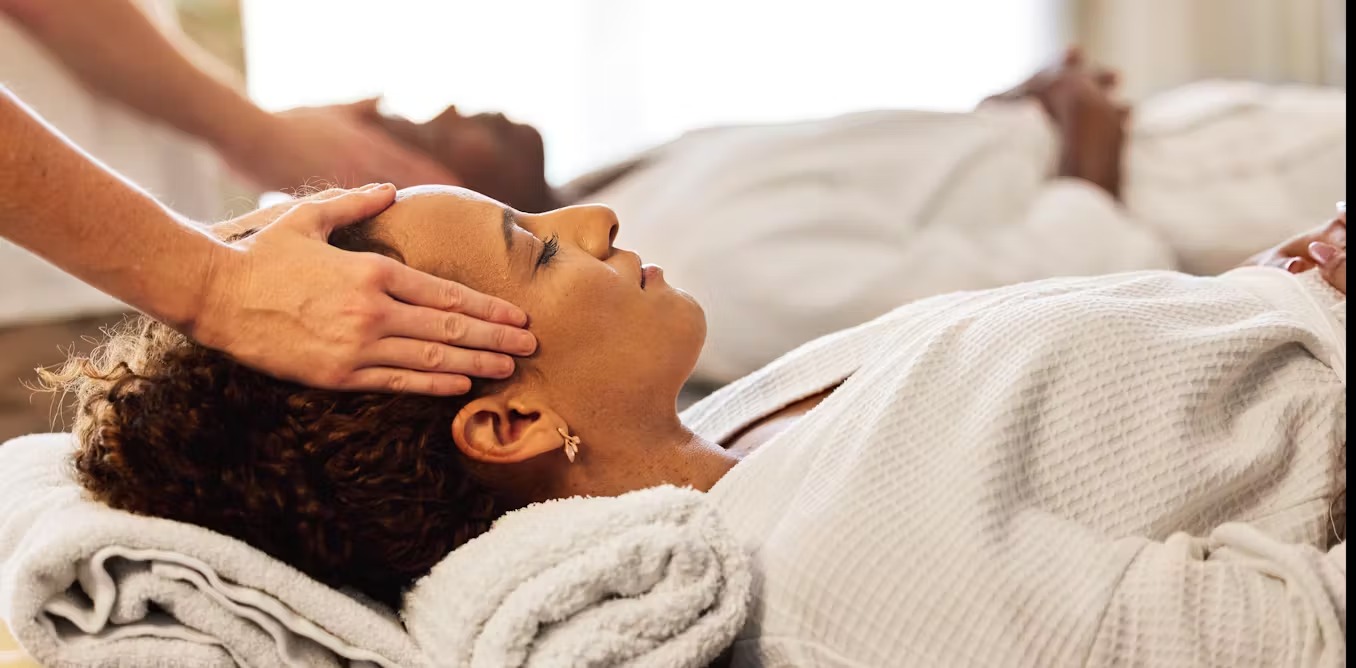

Considering the effect of poor sleep on the individual as well as on society and the economy, it is hardly surprising sleep has become an intense area of research focus in recent years. Most recently we have seen an increase in the offering of and appetite for so-called sleep retreats. But what are sleep retreats and are they helpful?
As with any specialised retreat, there is no set formula for what a sleep retreat should focus on. As such, the range of what is available is incredibly variable, from retreats that just focus on a sleep-friendly environment (a cool, dark, quiet and comfortable bedroom in a luxurious location) to ones specifically aimed at managing a specific sleep disorder, using evidence-based therapies, such as cognitive behavioural therapy for insomnia.
There are even ones that provide, among other things, a regimen of vitamins and minerals delivered intravenously. Most, however, fall somewhere between focusing on meditation, exercise and relaxation.
Although there is good evidence that exercise, at the right intensity and duration, can be beneficial for sleep, it is unlikely that a lack of exercise alone causes poor sleep.
Similarly, there is some, albeit poor quality, evidence that meditation and relaxation improve sleep quality. As such, it is unlikely that these treatments alone will fix a sleep problem.
The main challenge is that sleep, as with diet or exercise, is just an overarching term for a complex behaviour, one that is influenced and can influence almost every area of a person’s life. For example, I am hearing a lot about supplementing with magnesium to aid sleep, but this is only likely to be beneficial if you are deficient in the first place.
What to consider before you splash the cash
So, should we approach the sleep retreat with caution? Not necessarily, it is more a case of doing your homework.
First, who does the sleep retreat cater for, and what do you hope to get from the retreat? The busy executive who only allows themselves four hours of sleep a night will have very different expectations and experiences to a person who has undiagnosed sleep apnoea and sleeps for nine hours but wants to know why they are so sleepy during the day.
This leads to the second consideration: what kind of pre-screening (for conditions that might be causing insomnia) and personalisation do they offer?
Many retreats advertise an individual consultation as part of the package but don’t really say what that will cover (a sleep, medical and psychiatric history and lifestyle assessment should be done as a bare minimum. This is vital when we consider that while well-established, evidence-based treatments for a variety of sleep disturbances and disorders exist, they are not suitable for everyone.
Also, there is a perception that non-pharmacological therapies, including nutraceuticals (products derived from food sources that said to have health benefits) and over-the-counter remedies (such as antihistamines, melatonin and valerian), don’t have side-effects, which is not necessarily the case.
The final considerations are: who is delivering the retreat? And is what they are offering based on sound scientific evidence?
Considering certification in sleep medicine is a hot topic in the sleep community at the moment, it is worth doing some research. For example, in the UK there is no pathway to becoming a sleep medicine specialist, consultant or coach. So who is leading the sleep retreat and is what they offering evidence-based?







