


 Amazon Stock Rebounds After Earnings as $200B Capex Plan Sparks AI Spending Debate
  OpenAI Expands Enterprise AI Strategy With Major Hiring Push Ahead of New Business Offering
  CK Hutchison Launches Arbitration After Panama Court Revokes Canal Port Licences
  SpaceX Pushes for Early Stock Index Inclusion Ahead of Potential Record-Breaking IPO
  American Airlines CEO to Meet Pilots Union Amid Storm Response and Financial Concerns
  Nvidia CEO Jensen Huang Says AI Investment Boom Is Just Beginning as NVDA Shares Surge
  Washington Post Publisher Will Lewis Steps Down After Layoffs
  TrumpRx Website Launches to Offer Discounted Prescription Drugs for Cash-Paying Americans
  Nasdaq Proposes Fast-Track Rule to Accelerate Index Inclusion for Major New Listings
  SoftBank Shares Slide After Arm Earnings Miss Fuels Tech Stock Sell-Off
  Global PC Makers Eye Chinese Memory Chip Suppliers Amid Ongoing Supply Crunch
  Hims & Hers Halts Compounded Semaglutide Pill After FDA Warning
  Rio Tinto Shares Hit Record High After Ending Glencore Merger Talks
  Weight-Loss Drug Ads Take Over the Super Bowl as Pharma Embraces Direct-to-Consumer Marketing
  Once Upon a Farm Raises Nearly $198 Million in IPO, Valued at Over $724 Million
  Tencent Shares Slide After WeChat Restricts YuanBao AI Promotional Links
  TSMC Eyes 3nm Chip Production in Japan with $17 Billion Kumamoto Investment


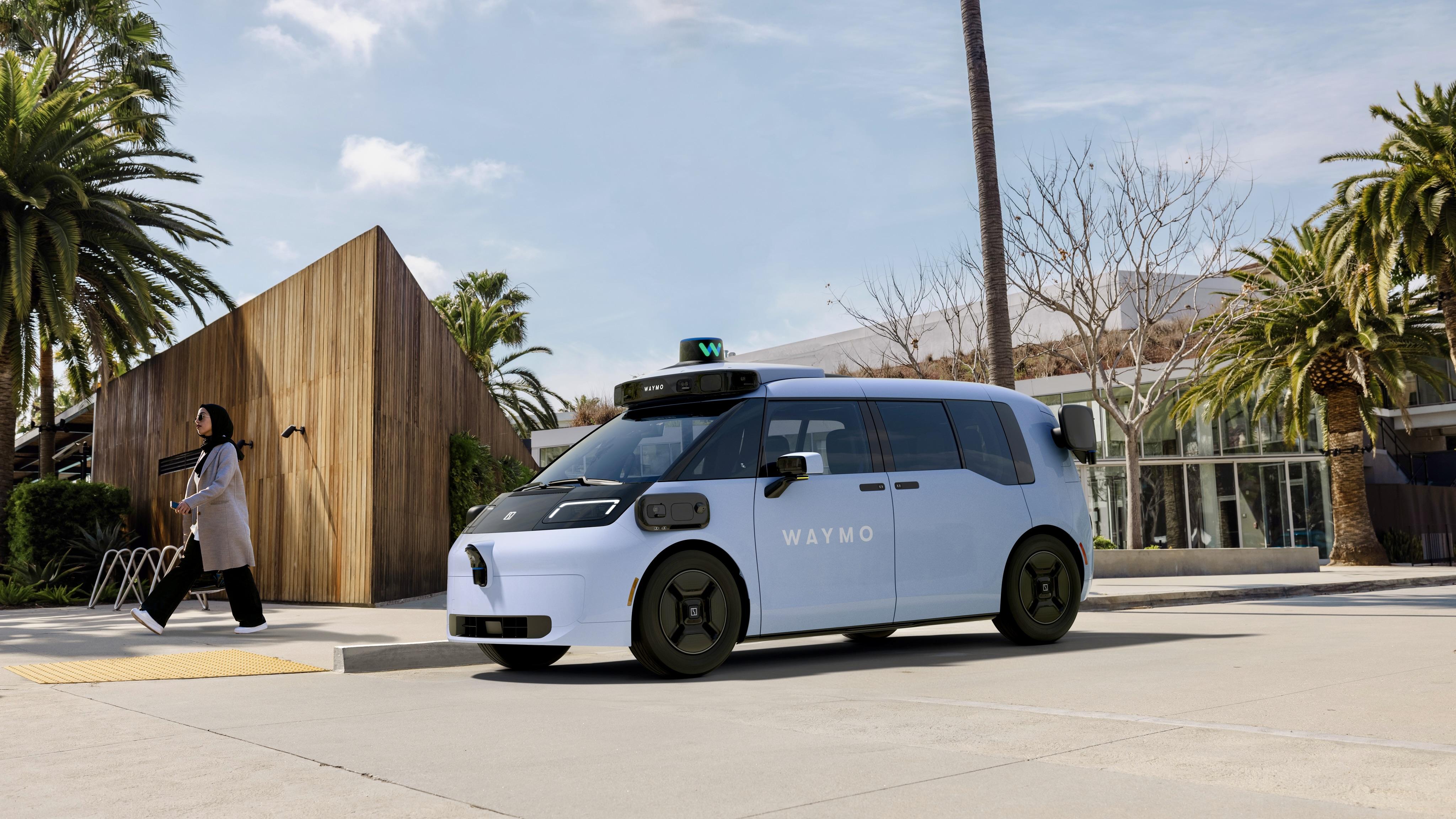
Alphabet-owned autonomous driving company Waymo announced plans to expand first responder engagement, strengthen emergency response protocols, and deploy software updates that will help its self-driving vehicles navigate intersections more decisively. The announcement comes after several Waymo robotaxis stalled across San Francisco following a major power outage over the weekend.
Waymo temporarily paused its ride-hailing service on Saturday evening after a fire at a Pacific Gas & Electric (PG&E) substation caused widespread power failures in San Francisco. The outage affected roughly one-third of the city, leaving about 130,000 residents without electricity and forcing some local businesses to shut down temporarily. During the outage, multiple Waymo autonomous vehicles were reported to have stopped operating normally in certain areas, raising concerns about how self-driving cars handle large-scale infrastructure disruptions.
In response, Waymo said it is taking steps to improve coordination with emergency responders to ensure clearer communication during incidents such as power outages, fires, or other citywide emergencies. The company plans to enhance its emergency response playbooks so that its robotaxis can better recognize and adapt to abnormal traffic conditions, disabled signals, and unexpected obstacles.
Waymo also confirmed it will roll out software updates designed to allow its vehicles to move through intersections more confidently when traffic signals are not functioning as expected. According to the company, these updates aim to reduce hesitation and prevent vehicles from stopping in ways that could disrupt traffic or block emergency access.
The incidents have drawn the attention of regulators. A California state regulator said on Monday that it is reviewing reports related to Waymo robotaxis stalling in parts of San Francisco during the outage. The review highlights growing scrutiny of autonomous vehicle safety and reliability as companies expand driverless services in major urban areas.
Waymo emphasized that safety remains its top priority and said it is working closely with city officials, utility providers, and regulators to minimize the risk of similar disruptions in the future. As autonomous vehicles become more common on public roads, the company acknowledged that adapting to rare but impactful events like power outages is critical to building public trust and ensuring smooth urban mobility.













