


 Reflection AI Eyes $25 Billion Valuation in Massive $2.5 Billion Funding Round
  SK Hynix Eyes Up to $14 Billion U.S. IPO to Fund AI Chip Expansion
  Samsung Electronics Posts Eightfold Profit Surge Driven by AI Chip Demand
  NASA's Artemis II Mission: First Crewed Lunar Journey Since Apollo
  SpaceX Eyes Historic IPO at $1.75 Trillion Valuation
  Microsoft Eyes $7B Texas Energy Deal to Power AI Data Centers
  Microsoft's $10 Billion Japan Investment: AI Infrastructure and Data Sovereignty Push
  MATCH Act Targets ASML and Chinese Chipmakers in New U.S. Export Crackdown
  Elon Musk Ties SpaceX IPO Access to Mandatory Grok AI Subscriptions
  SMIC Allegedly Supplies Chipmaking Tools to Iran's Military, U.S. Officials Warn
  Chinese Universities with PLA Ties Found Purchasing Restricted U.S. AI Chips Through Super Micro Servers
  NASA Artemis II: First Crewed Moon Mission Since Apollo Takes Four Astronauts on 10-Day Lunar Journey
  California's AI Executive Order Pushes Responsible Tech Use in State Contracts
  Federal Judge Blocks Pentagon's Blacklisting of AI Company Anthropic
  Google's TurboQuant Algorithm Sends Memory Chip Stocks Tumbling
  Britain Courts Anthropic Amid US Defense Department Dispute


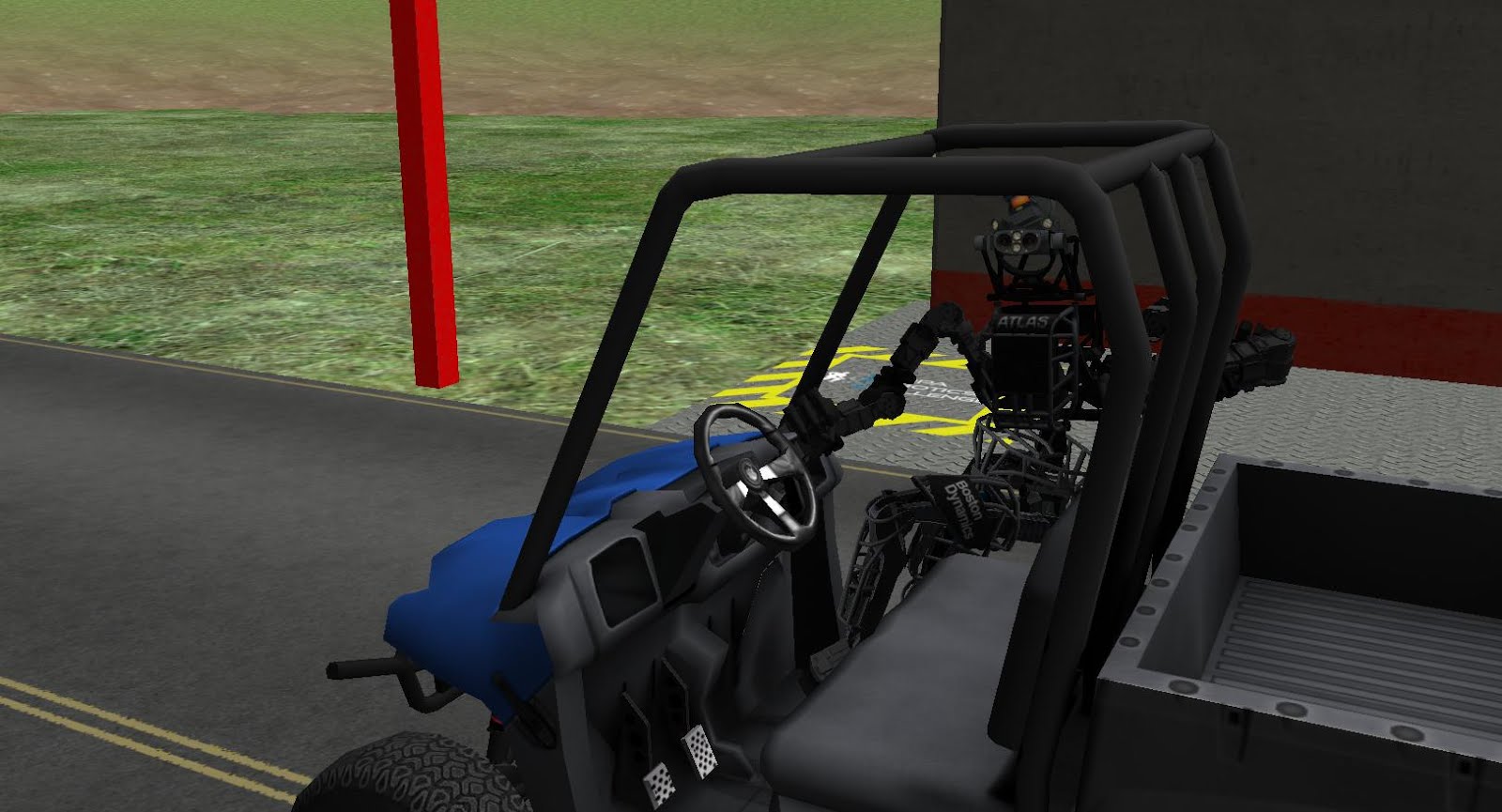
Boston Dynamics just released footage of their bipedal robot Atlas being able to maneuver through an area full of debris, which is a significant step in robotics. The prospect of a machine that can walk on two legs and is able to walk on uneven surfaces and dodge obstacles is particularly important in several fields, including search and rescue.
The algorithm that was used in the Atlas biped was created by the Institute for Human and Machine Cognition Robotics Lab, which is based in Florida, Tech Times reports. The algorithm enables advanced motor control and balance, which is how the robot can remain upright even as it walks over things like fallen logs, crumbling roads, and sandy surfaces.
It was also the entry project by the IHMC to the Robotics Challenge that DARPA held. The contest was meant to draw out the best ideas for improving robotics with regards to disaster response. Boston Dynamics simply used that to enable the Atlas robot to do something that has always proven challenging to engineers.
"While great strides have recently been made in robotics, robots still cannot get to the same places that people can," the lab’s recent blog post reads. "Our humanoid projects are focused on enabling our bipedal humanoids handle rough terrain without requiring onboard sensors to build a model of the terrain."
What makes the accomplishment really revolutionary is the fact that the terrain that Atlas would be walking on during the test are entirely new to it. There was no data on what kind of shape or size the objects that it will be walking on will be, nor was there any prior attempt that gave it an idea of what to expect.
This is incredibly important because it means that it’s soon possible for a robot to walk right into a burning building and rescue people without knowing its layout. Of course, this type of functionality is still years or even decades away.







