


 Zelenskiy Meets CIA Chief John Ratcliffe at Ireland’s Shannon Airport
  Hawkish Fed Fuels Gold Sell-off: Gold Dives Below $4300 Amidst Rate Hike Fears
  Marco Rubio to Meet Russia’s Lavrov in New York
  Trump Says U.S.-Iran Peace Deal Near After UN Talks
  Gold Slides to $4,262 as Hawkish Fed Rate Hike Triggers Technical Breakdown
  Canada Unveils Bill to Fast-Track Major Resource Projects
  Carney Condemns Belleville Synagogue Shooting That Wounded Police Officer
  Oil Prices Rise as Houthi Strikes on Riyadh Fuel Middle East Tensions
  Denmark Says Greenland Sovereignty Protected in US Military Deal
  South Korea to Brief Lawmakers on $350 Billion US Investment Package
  Oil Prices Rise as U.S.-Iran Talks Fuel Diplomacy Hopes
  Gold Prices Hold Steady Ahead of Trump-Xi Summit, Middle East Risks
  Wall Street Surges as Meta Leads AI Rally, Oil Prices Fall
  Europe Jet Fuel Deficit Drives South Korean Imports to Four-Year High
  Big AI wants to slow down AI research. Is it a safety pause or a strategic retreat?


 Add as a preferred source on Google
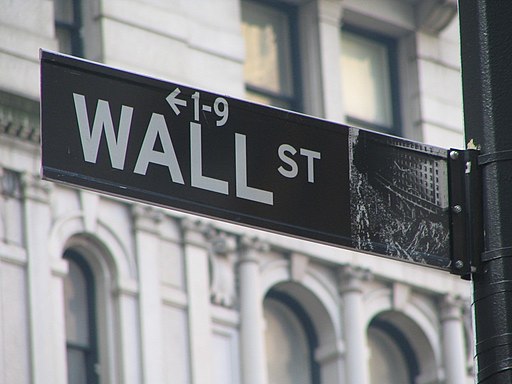
Wall Street is preparing to work with Zohran Mamdani after his surprising win as New York City’s new mayor, a victory that has sparked debate about the city’s future as a global financial hub. While the mayor’s office has limited authority over Wall Street, business leaders worry about the potential impact of Mamdani’s progressive economic agenda on New York’s competitiveness and business climate.
Bank of America CEO Brian Moynihan emphasized the importance of collaboration, noting the city’s success is vital to the financial industry. JPMorgan’s Jamie Dimon echoed that sentiment, saying cooperation is key to addressing New York’s challenges. Investors such as Tim Ghriskey called Mamdani’s tenure “an interesting experiment,” reflecting Wall Street’s cautious optimism.
Mamdani’s platform focused on affordability, proposing a rent freeze, free public transportation, universal childcare, and city-run grocery stores. While many acknowledge the need for affordability reforms, analysts fear that aggressive rent control and higher corporate taxes could stifle real estate investment and small-business growth.
Despite these concerns, analysts believe Mamdani’s ability to enact sweeping policy changes is limited, as measures like tax hikes and rent freezes require broader governmental approval. Industry leaders hope his administration will adopt a pragmatic approach rather than radical reform.
Prominent financiers, including Bill Ackman and Dan Loeb, previously backed efforts to oppose Mamdani but have since expressed willingness to support his leadership. The mayor-elect has begun outreach to corporate leaders through the Partnership for New York City, signaling openness to dialogue with real estate developers and financial institutions.
As Mamdani transitions into office, the business community awaits his appointments and policy direction. Many, including Wells Fargo CEO Charlie Scharf, remain confident in New York’s enduring economic strength, emphasizing that the city’s resilience transcends politics.







