


 Sony Q3 Profit Jumps on Gaming and Image Sensors, Full-Year Outlook Raised
  SpaceX Prioritizes Moon Mission Before Mars as Starship Development Accelerates
  Nvidia, ByteDance, and the U.S.-China AI Chip Standoff Over H200 Exports
  Global PC Makers Eye Chinese Memory Chip Suppliers Amid Ongoing Supply Crunch
  Jensen Huang Urges Taiwan Suppliers to Boost AI Chip Production Amid Surging Demand
  Elon Musk’s Empire: SpaceX, Tesla, and xAI Merger Talks Spark Investor Debate
  Anthropic Eyes $350 Billion Valuation as AI Funding and Share Sale Accelerate
  SoftBank Shares Slide After Arm Earnings Miss Fuels Tech Stock Sell-Off
  SpaceX Updates Starlink Privacy Policy to Allow AI Training as xAI Merger Talks and IPO Loom
  Elon Musk’s SpaceX Acquires xAI in Historic Deal Uniting Space and Artificial Intelligence
  OpenAI Expands Enterprise AI Strategy With Major Hiring Push Ahead of New Business Offering
  Nvidia CEO Jensen Huang Says AI Investment Boom Is Just Beginning as NVDA Shares Surge
  Alphabet’s Massive AI Spending Surge Signals Confidence in Google’s Growth Engine
  Palantir Stock Jumps After Strong Q4 Earnings Beat and Upbeat 2026 Revenue Forecast
  SpaceX Pushes for Early Stock Index Inclusion Ahead of Potential Record-Breaking IPO
  TSMC Eyes 3nm Chip Production in Japan with $17 Billion Kumamoto Investment


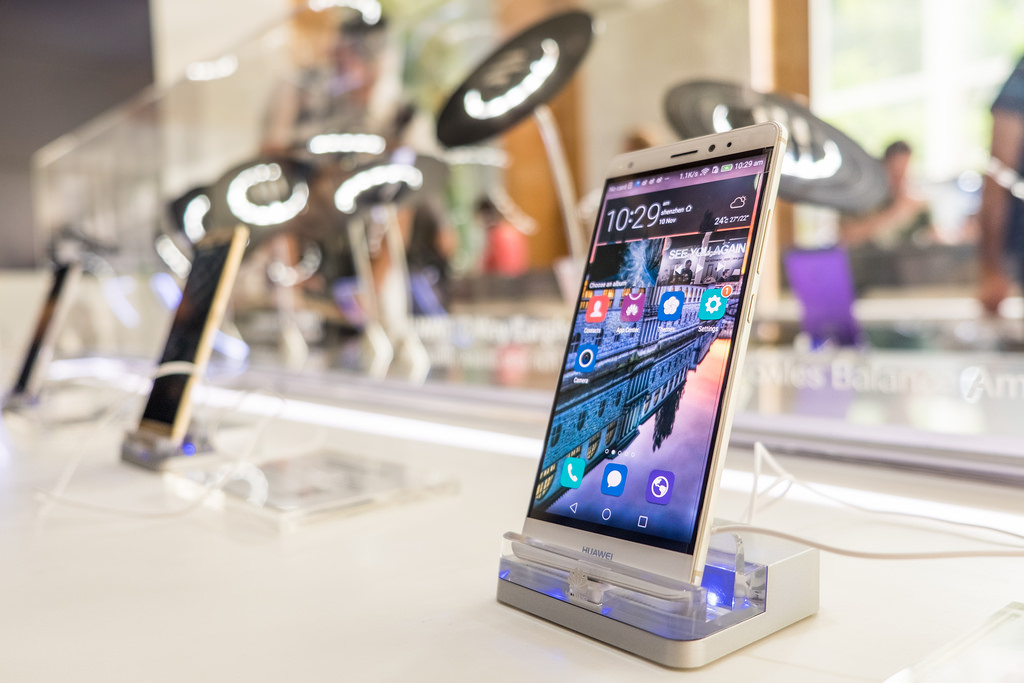
The Chinese tech giant Huawei has been trying to break into the U.S. smartphone market in a big way for some time now. Previously, it had wanted to make a deal with AT&T to carry its devices, but this did not pan out due to political pressure. The company then went to Verizon, which reportedly wanted to do it. Unfortunately for both firms, the U.S. government just will not allow it.
Details surrounding the Chinese manufacturer and the U.S. carrier deal was reported by Bloomberg, which notes that internal sources confirmed interference from the U.S. government. Apparently, if it wasn’t for that, the Huawei Mate 10 Pro units might have been available to U.S. consumers soon via Verizon.
It is worth noting that Verizon would already have been aware of the similar predicament that AT&T faced with the same arrangement with Huawei just this month. Did the carrier really expect that it could resist the political pressure that made its competitor bend?
In any case, the reason for why the federal government is so concerned about the devices is the matter of security and privacy. Smart devices already pose a significant risk to users by containing all of their most sensitive information. However, reports of the Chinese government using its country’s biggest firms to spy on its own citizens have been a source of major concern.
The same concerns would apparently be applied to American citizens once the Huawei products hit the U.S. market en masse. Neither company responded to requests for comments about the matter, CNET reports.
At this point, however, there’s no denying that Huawei badly wants to get into the U.S. market. It already has a tight grip on many other mobile markets in the world, dominating sales in Asia, for example. As ever, though, American consumers are the real prize for foreign manufacturers.













