


 Pezeshkian Says US Must Choose When Iran War Ends
  Netanyahu’s Brief US Trip Highlights Strains With Trump
  Sudan Rejects US Legitimacy Remarks, Defends Sovereignty
  Trump, Xi Visit US National Archives After White House Summit
  North Korea Warns South Korea Over US-Led Defense Role
  Trump, Xi Focus on Trade and AI at White House Summit
  South Korea, US Discuss Warship Building Cooperation
  Ukrainian Drone Attacks Hit Russian Regions, Injuring at Least 12
  Judge Orders Trump to Restore White House Access for CNN, MS NOW and Politico
  What ‘Taiwan Independence’ Means as Xi Presses Trump on US Policy
  Kremlin Says No Decision Yet on Putin-Trump December Summit
  NATO Boosts Intelligence Sharing Amid Russia Hybrid Threats
  Abbas Reaffirms November 28 Palestinian Elections
  Mexico-US Trade Talks Delayed to October as Tariff Negotiations Continue
  Xi Calls for Deeper U.S.-China AI Cooperation in Trump Talks
  Saudi Arabia, Turkey and Pakistan Plan Urgent Defence Talks Over Houthi Attacks
  Netanyahu Defends Israel at UN as Delegates Stage Walkout


 Add as a preferred source on Google
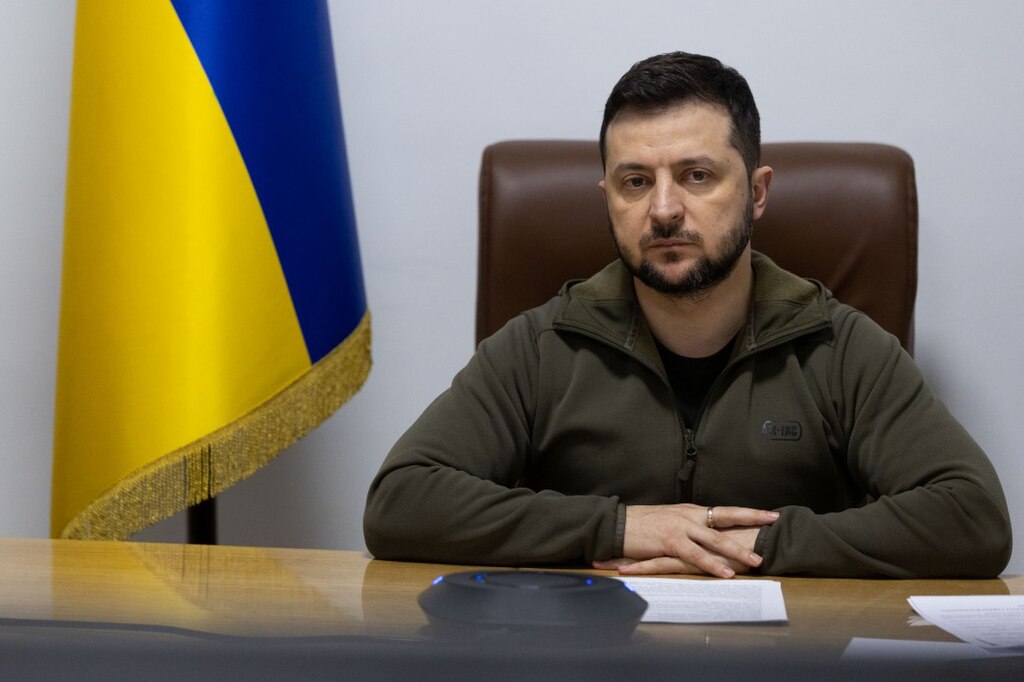
Ukraine is overhauling its air defence system by introducing a new operational approach centered on mobile groups using interceptor drones, as the country prepares for potential large-scale Russian attacks. President Volodymyr Zelenskiy announced the initiative on Monday, highlighting the need to adapt quickly as Russia intensifies its aerial assault strategy.
The announcement comes after a recent wave of Russian missile and drone strikes that damaged critical energy infrastructure across Ukraine, leaving thousands of apartment buildings without power and heating, particularly in Kyiv. These attacks have reinforced Ukraine’s urgent calls for stronger air defence capabilities and additional military support from Western allies.
In his nightly address, Zelenskiy explained that the Ukrainian Air Force will adopt a transformed system that integrates mobile fire groups, interceptor drones, and other short-range air defence assets. This new model is designed to improve flexibility, response time, and cost efficiency, especially against drone and missile threats. To lead this effort, Zelenskiy appointed Pavlo Yelizarov as Deputy Air Force Commander, tasking him with overseeing and developing the new air defence concept.
Ukraine has significantly expanded its domestic drone manufacturing since Russia’s full-scale invasion began in February 2022. Interceptor drones have become a key element of Ukraine’s defence strategy, offering a relatively affordable and effective method to counter incoming aerial attacks.
Zelenskiy also warned citizens to remain extremely vigilant, stating that Ukrainian intelligence believes Russia is preparing a massive strike and is waiting for the right moment to act. He urged regional authorities to be ready to respond rapidly and assist civilians in the event of new attacks.
Over the weekend, both Zelenskiy and Foreign Minister Andrii Sybiha said intelligence reports showed Russian reconnaissance activity targeting specific sites, including substations supplying nuclear power plants. Additionally, the president instructed Prime Minister Yulia Svyrydenko to address the aftermath of recent strikes, including approving bonuses for tens of thousands of emergency workers restoring electricity and heating nationwide.
This shift in air defence strategy reflects Ukraine’s continued adaptation to evolving threats and its determination to protect critical infrastructure and civilian populations.







