


 US Northeast Airports Resume Operations After Telecom Outage Disrupts Thousands of Flights
  SoftBank Launches $11 Billion Bond Sale to Fund OpenAI Investment
  MediaTek Unveils 2nm Dimensity 9600 Pro AI Chip
  Meta CEO Zuckerberg Backs Independent AI Safety Reviews Over Development Slowdown
  Westinghouse Targets $50 Billion Valuation in U.S. IPO
  Goldman Sachs Names Simon Lyons UK Investment Banking Co-Head
  China Vanke Shares Jump as Beijing Moves to Ease Debt Pressure
  Japan, U.S. Discuss $19 Billion GlobalFoundries Chip Plant
  Big AI wants to slow down AI research. Is it a safety pause or a strategic retreat?
  Qualcomm Gains on $60B Amazon AI Chip Deal
  US Federal Register Drops Alibaba Qwen AI Search Tool
  CNN, MS NOW and Politico Sue Trump Over White House Media Ban
  Paramount-Warner Bros $110 Billion Deal Draws Antitrust Backlash
  Petrobras Joins Brazil Diesel Subsidy Program
  Volkswagen Shares Slide After 2026 Profit Outlook Cut
  Nvidia CEO Jensen Huang Expected at Trump-Xi State Dinner
  OpenAI Urges US-Led Global Standards for Frontier AI


 Add as a preferred source on Google
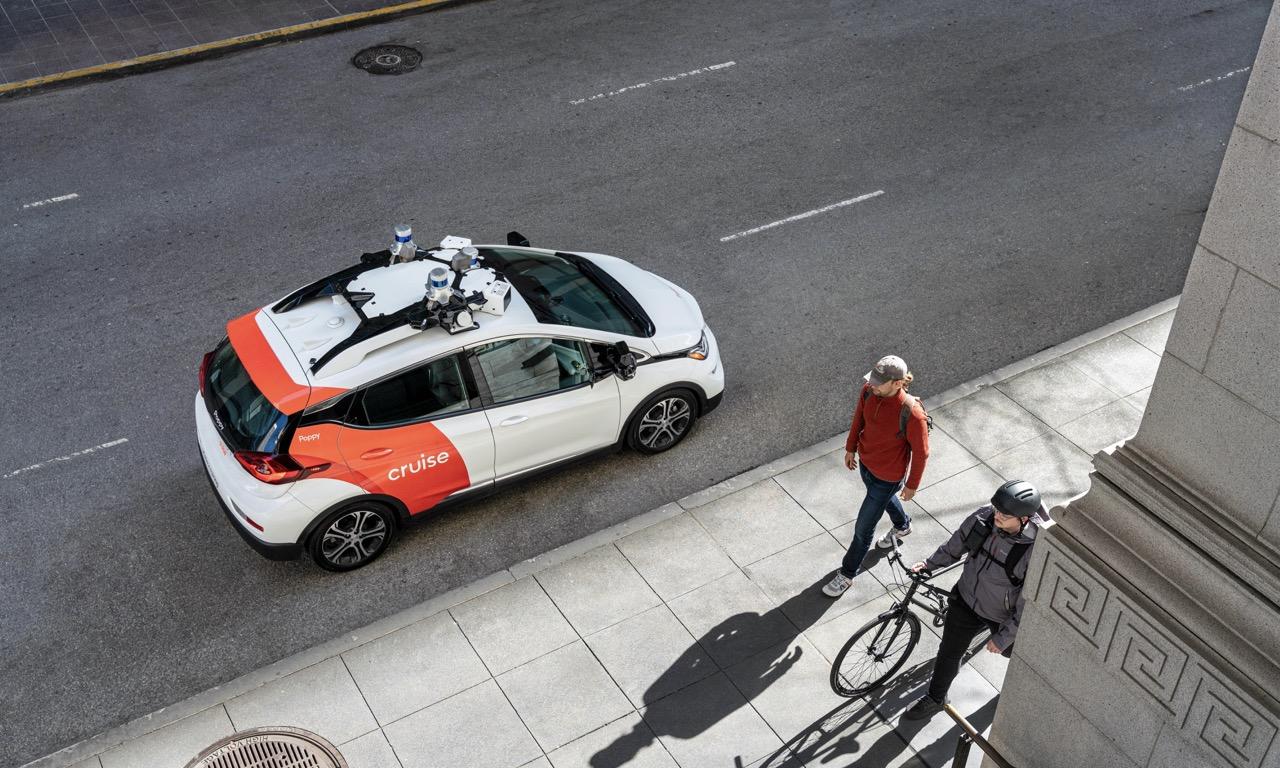
Uber is set to offer GM's Cruise robotaxis on its platform starting next year, marking a pivotal expansion in the autonomous vehicle market.
Uber to Feature Cruise Robotaxis in 2025
As the General Motors-backed robotaxi startup Cruise tries to make a return, the firm said on Thursday that starting next year, its autonomous vehicles would be available on the ride-hailing platform Uber, Reuters reports.
According to them, Uber users will be able to select a trip utilizing a Cruise automated vehicle thanks to the multi-year partnership. In extended trade, General Motors shares recovered 1.3% and Uber shares dropped 1.5%.
Thanks to a collaboration with Waymo, a subsidiary of Alphabet, which operates 700 vehicles and is the sole U.S. firm running uncrewed robotaxis that collects fares, Uber has been providing autonomous cars in Phoenix on its platform since October of last year.
After being temporarily suspended due to a catastrophic accident in San Francisco last year, Cruise is now seeking a method to resume operations on U.S. highways. In an effort to assuage concerns voiced by state and federal officials regarding the safety of its vehicles, it began testing with safety drivers earlier this year.
Cruise Recalls 1,200 Robotaxis Due to Braking Issues
According to the US car safety regulation, Cruise has decided to recall approximately 1,200 robotaxis vehicles because of problems with hard braking. As a result, the investigation into the matter has been closed.
Elon Musk, CEO of Tesla, is expected to reveal the company's botaxi product in October, following a delay caused by falling demand for electric vehicles. This announcement coincides with Uber's relationship with Cruise.
Regulatory Scrutiny Delays AV Market Entry
Difficult technology, skyrocketing investments, stringent regulatory scrutiny, and federal investigations have all contributed to the longer-than-anticipated time and effort needed to bring autonomous vehicles (AV) to market.
Per US News, in 2020, in an effort to save costs and return attention to its main business—which includes ride-hailing and food delivery—Uber sold its self-driving section.
On a post-earnings conference call last month, Uber CEO Dara Khosrowshahi stated that the company is "uniquely positioned to offer tremendous value for AV players looking to deploy their technology at scale."
Assisted by collaborations with businesses like Waymo and startups like Waabi for freight services, the number of trips taken by self-driving vehicles on the Uber platform increased sixfold year over year in the June quarter.







