


 Oil Prices Ease as Iran Tensions Clash With Diplomacy Hopes
  France Defends Netanyahu Airspace Clearance Despite ICC Warrant
  Pezeshkian Says US Must Choose When Iran War Ends
  Fed Unveils Stablecoin Rules Under GENIUS Act
  North Korea Rejects Nuclear Test Warning, Calls Nuclear Status Irreversible
  Soybean Futures Slip as Traders Await Trump-Xi Trade Signals
  Trump, Xi Focus on Trade and AI at White House Summit
  Taiwan Thanks US for Support Ahead of Trump-Xi Summit
  Ghana Says Western Support Growing for Slave Trade Reparations
  Fed Unveils Stablecoin Rules Under GENIUS Act
  What ‘Taiwan Independence’ Means as Xi Presses Trump on US Policy
  US, China Extend Trade Truce to Jan. 10 Ahead of Trump-Xi Summit
  Gold Prices Fall as Treasury Yields Rise on Fed Rate Hike Bets
  U.S. Treasury Yields Surge as 30-Year Hits 22-Year High
  Netanyahu Defends Israel at UN as Delegates Stage Walkout
  Wall Street Falls as Treasury Yields Surge, Oil Rebounds on Iran Tensions
  U.S. 10-Year Treasury Yield Hits 2007 High as Fed Rate Hike Bets Rise


 Add as a preferred source on Google
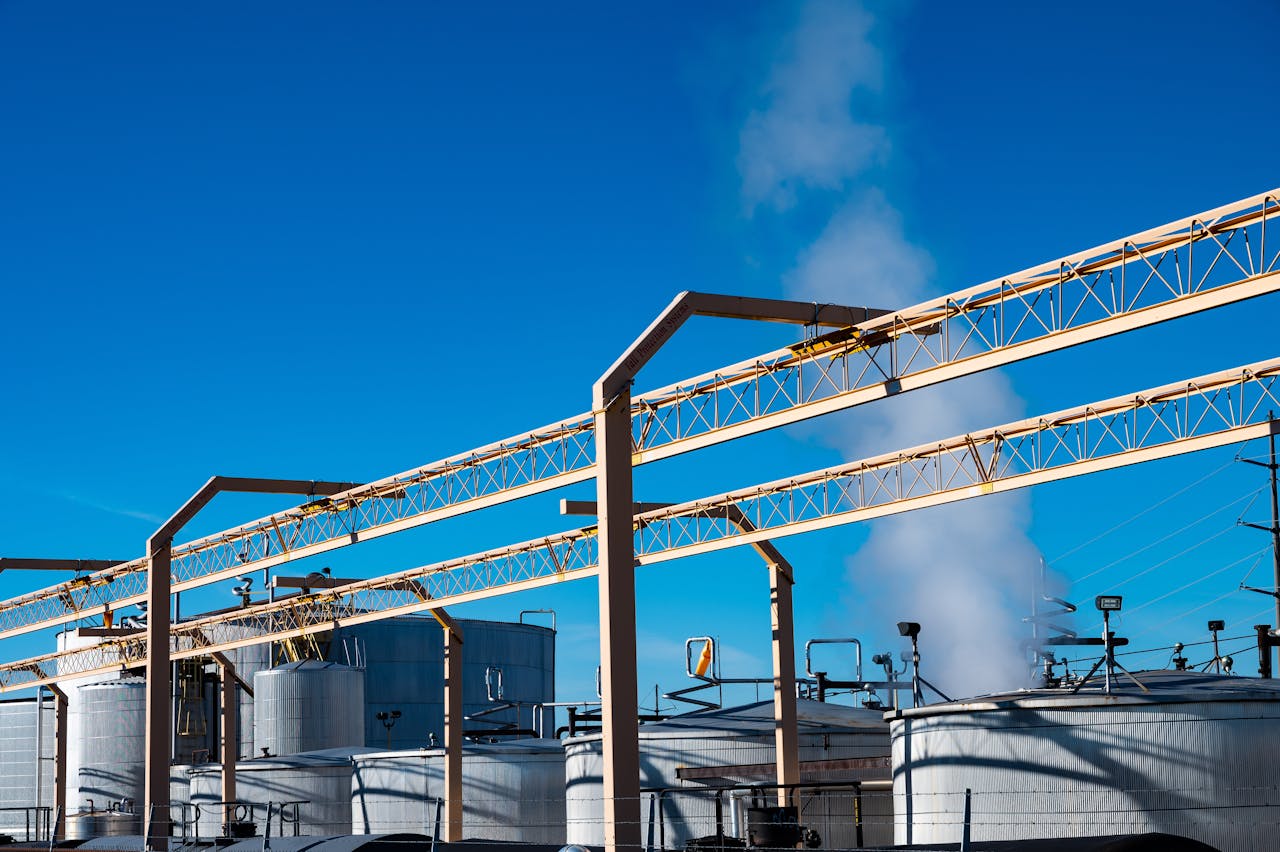
The United States and Venezuela have reached a significant agreement that could reshape global oil flows, following an announcement by U.S. President Donald Trump that Caracas will export up to $2 billion worth of Venezuelan crude oil to the United States. The deal marks a major development in U.S.–Venezuela relations and could divert oil supplies away from China while easing pressure on Venezuela’s oil sector, which has been constrained by sanctions and export blockades.
According to Trump, the agreement involves transferring between 30 million and 50 million barrels of what he described as “sanctioned oil” to the U.S. The crude will be sold at market prices, with proceeds reportedly overseen by the U.S. government. The oil is expected to be taken directly from tankers and storage facilities and shipped to U.S. ports, a move that could help Venezuela avoid deeper production cuts caused by limited storage capacity.
The deal comes amid heightened political tensions, following the U.S. capture of Venezuelan President Nicolas Maduro, an action Venezuelan officials have condemned. Trump has also increased pressure on the new interim government led by Delcy Rodriguez, demanding broader access for U.S. oil companies to Venezuela’s energy sector.
Currently, Chevron controls Venezuelan oil flows to the U.S. under a special authorization, exporting roughly 100,000 to 150,000 barrels per day. It remains unclear whether Venezuela will gain access to the proceeds, as sanctions continue to isolate PDVSA from the global financial system. Venezuelan crude, particularly the heavy Merey grade, has been trading at a steep discount to Brent, valuing the deal at nearly $1.9 billion.
Market reaction was swift, with U.S. crude prices falling after the announcement on expectations of increased supply. Analysts say reallocating cargoes originally destined for China could happen quickly, underscoring the deal’s geopolitical and economic significance. For U.S. Gulf Coast refineries capable of processing heavy crude, the agreement could boost supply stability, jobs, and potentially lower fuel prices, while offering Venezuela a path toward stabilizing its oil production and economy.







