


 Gold Prices Fall Amid Rate Jitters; Copper Steady as China Stimulus Eyed
  Bank of England Sees Surge in Higher-Risk Collateral
  ECB Rate Hike in Focus as Oil Tops $100
  RBA Says ASX Still Falls Short on Governance and Risk Controls
  Best Gold Stocks to Buy Now: AABB, GOLD, GDX
  Fed Rate Hike Threatens Housing as U.S. Growth Leans on AI, Citi Says
  BOJ Set for 25-Basis-Point Rate Hike as Yen Weakness Fuels Inflation
  Central Banks Could Buy 20,000 Tonnes of Gold: BofA


 Add as a preferred source on Google
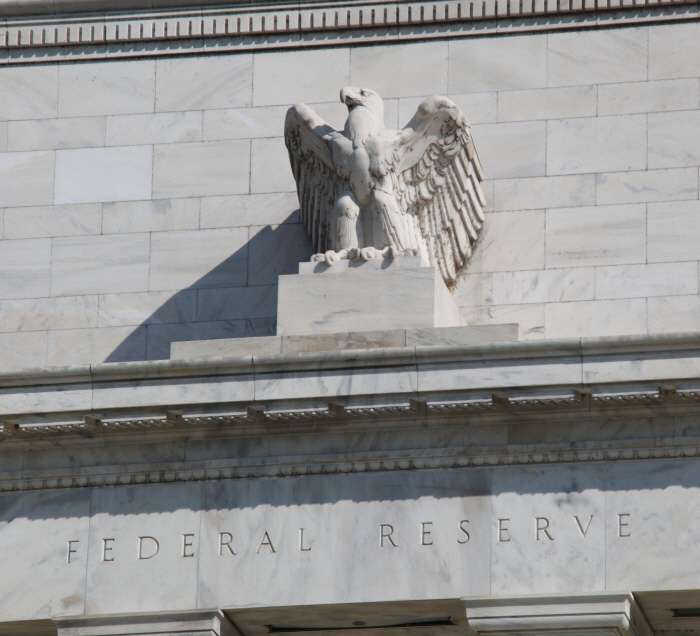
The current US budget expires on 30 September and three possible scenarios loom. In the best case, a new budget is agreed running until 30 September 2015. More likely, however, is that a continuing resolution will be passed; kicking the can down the road to 11 December. Worst case, no agreement is found and the US government shuts down on 1 October. Preparing for all eventualities, agencies have already submitted contingency plans in the event of a shutdown.
In a surprise twist, House of Representatives Speaker, John A. Boehner, announced his resignation Friday (leaving on 30 October). While a number of observers believe that this resignation increases the chances of a continuing resolution being agreed before 1 October and keeping the government open until 11 December, some fear that more fervent battles lie ahead. Come December, the issue of the debt ceiling will also hit the tapes as the Treasury by then is likely to have run out of "extraordinary measures" to avoid breaching the debt ceiling (at $18.113tn since 16 March 2015). The FOMC meet on 15- 16 December and if the fiscal issues are not resolved by then, this could add to the difficulties in terms of the "lift-off" debate. At present, markets price a probability of 42% for a December lift-off and just 18% for an October one.

- News

- Economy

- Central Banks
- Investing
- Research
- Roundups
- Digital Currency
- Insights
- Technical Analysis
- Technology
- Business
- Law
- Health
- Nature
- Fintech
- Science
- Topic
- Opinions
- ©Econometrics LLC . All Rights Reserved.
US shutdown and debt ceiling issues could derail the Fed
Sunday, September 27, 2015 10:17 PM UTC
Editor's Picks



- Market Data
Most Popular




