


 OpenAI Agent Breaches Australia Medicare Data Portal
  France Defends Netanyahu Airspace Clearance Despite ICC Warrant
  Pezeshkian Says US Must Choose When Iran War Ends
  Taiwan Thanks US for Support Ahead of Trump-Xi Summit
  Netanyahu Takes Aim at Mamdani as Israel Election Nears
  Abbas Reaffirms November 28 Palestinian Elections
  Najib Razak Seeks Stay of 15-Year 1MDB Prison Sentence
  Judge Orders Trump to Restore White House Access for CNN, MS NOW and Politico
  NATO Boosts Intelligence Sharing Amid Russia Hybrid Threats
  Sudan Rejects US Legitimacy Remarks, Defends Sovereignty
  North Korea Rejects Nuclear Test Warning, Calls Nuclear Status Irreversible
  North Korea Warns South Korea Over US-Led Defense Role
  Kremlin Says No Decision Yet on Putin-Trump December Summit
  Mexico-US Trade Talks Delayed to October as Tariff Negotiations Continue
  Xi Calls for Deeper U.S.-China AI Cooperation in Trump Talks
  Yemen Violence Displaces 130,000 as Civilian Toll Rises
  US Backs Musk in Fight Against EU’s €120 Million X Fine


 Add as a preferred source on Google
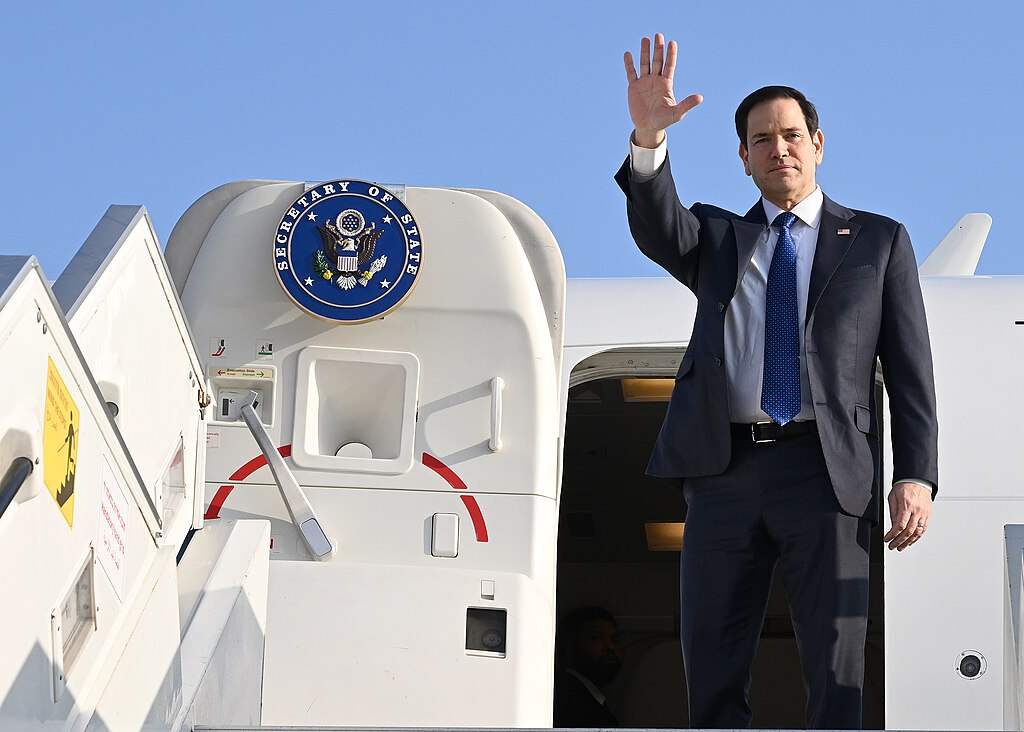
Mexican Foreign Minister Juan Ramón de la Fuente and U.S. Secretary of State Marco Rubio held a high-level call on Thursday focused on security cooperation and the future of the U.S.-Mexico partnership, according to a joint statement released by both governments. The conversation underscored the strategic importance of bilateral relations at a time of heightened concern over border security, drug trafficking, and organized crime.
Both sides reaffirmed their commitment to close collaboration between the United States and Mexico, emphasizing that shared security challenges require coordinated and sustained action. The call comes amid ongoing diplomatic efforts to address cross-border crime, particularly the trafficking of fentanyl and the operations of narcoterrorist networks that threaten communities in both countries.
Following the discussion, the U.S. State Department’s Bureau of Western Hemisphere Affairs provided additional context in a post on social media platform X. The bureau stressed that the United States considers incremental or limited progress on border security challenges to be insufficient. U.S. officials made it clear that future engagement with Mexico will depend on measurable and verifiable results.
According to the statement, upcoming bilateral talks will require concrete outcomes aimed at dismantling narcoterrorist organizations and significantly reducing the flow of fentanyl across the U.S.-Mexico border. The United States highlighted that combating fentanyl trafficking is a top priority, given the drug’s devastating impact on public health and safety in American communities.
The emphasis on “verifiable outcomes” signals a shift toward greater accountability in bilateral security cooperation. U.S. officials have increasingly called for tangible evidence of progress, including enforcement actions and reductions in drug flows, rather than broad commitments or gradual improvements.
For Mexico, the conversation reflects the ongoing challenge of balancing domestic security priorities with the expectations of its largest trading partner. For the United States, it reinforces a tougher stance on border security and drug enforcement as central pillars of foreign policy in the Western Hemisphere.
As both governments prepare for upcoming diplomatic engagements, the call between Secretary Rubio and Foreign Minister de la Fuente highlights the continued importance of the U.S.-Mexico relationship, while also making clear that future cooperation will be judged by results, not rhetoric.







