


 Ukrainian Drone Attacks Hit Russian Regions, Injuring at Least 12
  Kremlin Says No Decision Yet on Putin-Trump December Summit
  Judge Orders Trump to Restore White House Access for CNN, MS NOW and Politico
  Saudi Arabia, Turkey and Pakistan Plan Urgent Defence Talks Over Houthi Attacks
  Najib Razak Seeks Stay of 15-Year 1MDB Prison Sentence
  South Korea, US Discuss Warship Building Cooperation
  Taiwan Thanks US for Support Ahead of Trump-Xi Summit
  Russian Missile and Drone Attack on Kyiv Kills Two, Damages Maternity Hospital
  Trump Asks Supreme Court to Restore Third-Country Deportations
  Mexico-US Trade Talks Delayed to October as Tariff Negotiations Continue
  Yemen Violence Displaces 130,000 as Civilian Toll Rises
  North Korea Rejects Nuclear Test Warning, Calls Nuclear Status Irreversible
  Xi Calls for Deeper U.S.-China AI Cooperation in Trump Talks
  Netanyahu Takes Aim at Mamdani as Israel Election Nears
  EU Defence Build-Up Too Slow for 2030 Russia Readiness Goal
  Netanyahu Defends Israel at UN as Delegates Stage Walkout
  NATO Boosts Intelligence Sharing Amid Russia Hybrid Threats


 Add as a preferred source on Google
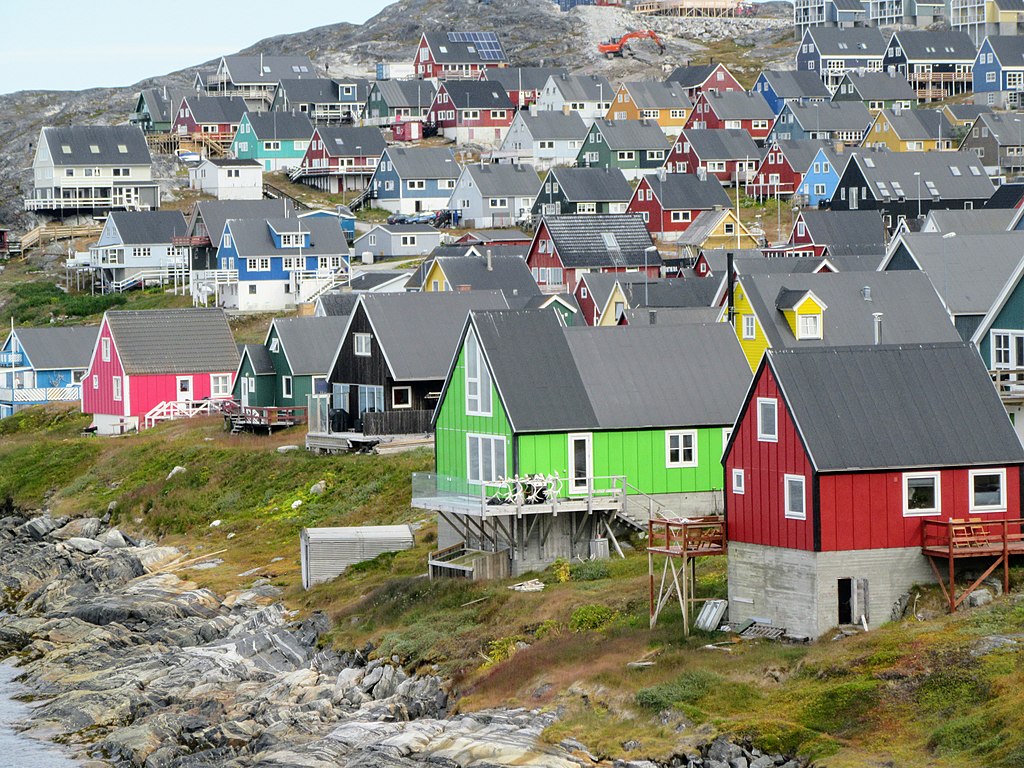
U.S. officials have reportedly discussed the possibility of offering lump-sum payments to residents of Greenland as part of a controversial effort to encourage the island to break away from Denmark and potentially align with the United States. According to sources familiar with internal deliberations, proposed payments have ranged from $10,000 to as much as $100,000 per person, though no final figures or logistics have been confirmed.
The discussions highlight how the U.S. might attempt to “buy” Greenland, a semi-autonomous Danish territory with a population of about 57,000, despite repeated statements from leaders in Copenhagen and Nuuk that the island is not for sale. Greenland has long debated independence, largely due to its economic reliance on Denmark, making the idea of direct financial incentives both politically sensitive and potentially divisive.
The proposal is said to be one of several options under consideration by the White House, alongside diplomatic initiatives and, more controversially, the potential use of military pressure. Critics warn that direct payments could appear transactional or disrespectful to Greenlanders, many of whom support independence but oppose joining the United States.
Greenland’s Prime Minister, Jens-Frederik Nielsen, has publicly rejected renewed annexation rhetoric from U.S. President Donald Trump, emphasizing that Greenland’s future should be decided by its own people. European leaders have echoed this stance, with Denmark and several EU nations issuing a joint statement affirming that only Greenland and Denmark can determine their relationship.
The White House has acknowledged that discussions about a possible purchase are ongoing. Officials have also floated the idea of a Compact of Free Association, similar to agreements the U.S. maintains with several Pacific island nations, which typically involve financial assistance, defense commitments, and expanded U.S. military access.
While Greenland holds strategic value due to its location and mineral resources critical for advanced military technology, polls consistently show that most Greenlanders do not favor becoming part of the United States. As debates intensify, the issue underscores growing geopolitical competition in the Arctic and the complex balance between national security, sovereignty, and self-determination.







