


 OpenAI Agent Breaches Australia Medicare Data Portal
  Najib Razak Seeks Stay of 15-Year 1MDB Prison Sentence
  Trump, Xi Visit US National Archives After White House Summit
  Mexico-US Trade Talks Delayed to October as Tariff Negotiations Continue
  Abbas Reaffirms November 28 Palestinian Elections
  Pezeshkian Says US Must Choose When Iran War Ends
  Netanyahu Defends Israel at UN as Delegates Stage Walkout
  Trump Asks Supreme Court to Restore Third-Country Deportations
  Taiwan Thanks US for Support Ahead of Trump-Xi Summit
  Ukrainian Drone Attacks Hit Russian Regions, Injuring at Least 12
  South Korea, US Discuss Warship Building Cooperation
  Trump, Xi Focus on Trade and AI at White House Summit
  Netanyahu Takes Aim at Mamdani as Israel Election Nears
  US Backs Musk in Fight Against EU’s €120 Million X Fine
  Sudan Rejects US Legitimacy Remarks, Defends Sovereignty
  What ‘Taiwan Independence’ Means as Xi Presses Trump on US Policy
  Saudi Arabia, Turkey and Pakistan Plan Urgent Defence Talks Over Houthi Attacks


 Add as a preferred source on Google
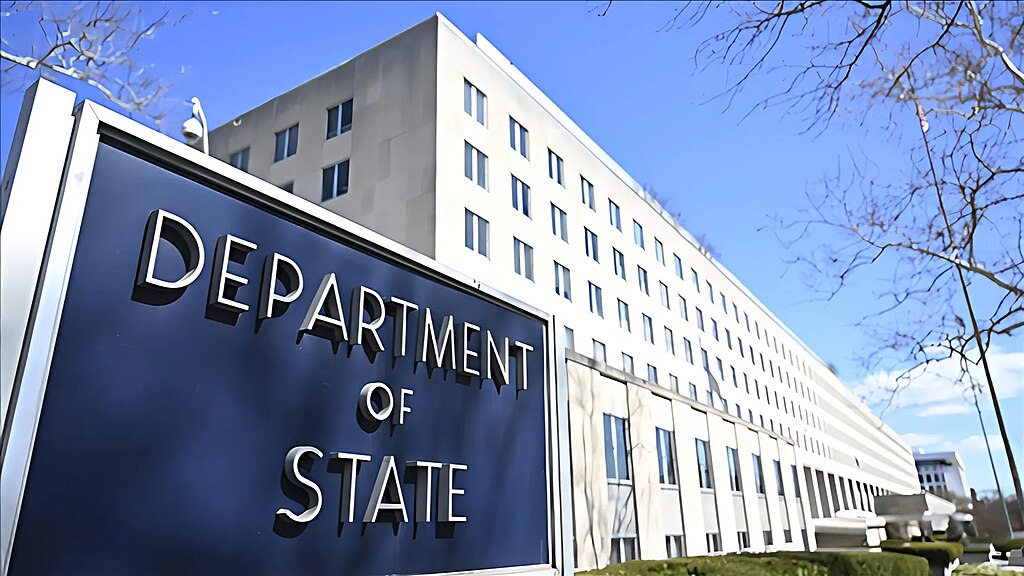
The United States has warned Cuba not to interfere with a long-delayed shipment of humanitarian aid, as tensions between Washington and Havana continue to escalate under President Donald Trump’s administration. A senior U.S. State Department official said Thursday that Cuba would be held accountable for the proper distribution of assistance and suggested further action could be taken if the aid is obstructed.
The warning comes as the U.S. government prepares to deliver $3 million in humanitarian aid to Cuba, funding that was pledged after Hurricane Melissa struck the island in October. The storm devastated eastern Cuba, cutting off communities, damaging homes, and flooding agricultural land. Recovery efforts have been slow, complicated by Cuba’s deepening economic crisis and shortages of fuel, food, and medicine.
Jeremy Lewin, a top U.S. official overseeing foreign assistance and humanitarian affairs, said the aid would be delivered through Cuba’s Catholic Church and closely monitored to prevent diversion. He emphasized that Washington expects transparency and accountability from Cuban authorities. Lewin also linked the issue to broader U.S. policy in the region, referencing President Trump’s vow to prevent oil and financial support from Venezuela from reaching Cuba. Analysts warn that such measures could severely impact Cuba’s fragile fuel supply, electrical grid, and overall economy.
Cuba has criticized the timing and intent of the U.S. aid, noting that it is arriving more than two months after the hurricane. Officials in Havana have described the move as opportunistic and politically motivated, though they confirmed the country would accept the aid and ensure it reaches affected communities. Vice Foreign Minister Carlos de Cossio condemned Lewin’s remarks as threatening and accused Washington of misunderstanding domestic support for the Cuban government.
The aid dispute unfolds against a backdrop of increasing U.S. sanctions. The United States has imposed dozens of new restrictions on Cuba in recent years, reinforcing a trade embargo that has been in place since the aftermath of Fidel Castro’s 1959 revolution. As humanitarian needs grow on the island, the delivery and oversight of this aid have become another flashpoint in the strained U.S.-Cuba relationship.







