


 EU Defence Build-Up Too Slow for 2030 Russia Readiness Goal
  Taiwan Thanks US for Support Ahead of Trump-Xi Summit
  North Korea Rejects Nuclear Test Warning, Calls Nuclear Status Irreversible
  Trump Scales Back Endangered Species Act Protections
  Sudan Rejects US Legitimacy Remarks, Defends Sovereignty
  Australia Tightens Student Visa Rules, Targets Migration Cut by 2028
  ICE Agent Arrested in Minneapolis Over Venezuelan Man Shooting
  US Bans Canadian Alcohol, Motorcycles as Trade War Escalates
  Who should own the knowledge that underpins AI technology?
  FCC Approves Foreign Investment in $110B Paramount-Warner Bros. Deal
  Pezeshkian Says US Must Choose When Iran War Ends
  Saudi Arabia Shuts East-West Oil Pipeline After Drone Attack
  China Tightens Fentanyl Rules Ahead of Trump-Xi Summit
  US Northeast Airports Resume Operations After Telecom Outage Disrupts Thousands of Flights
  Trump Asks Supreme Court to Restore Third-Country Deportations
  US Senate Rejects Iran War Powers Resolution in 50-49 Vote
  US Backs Musk in Fight Against EU’s €120 Million X Fine


 Add as a preferred source on Google
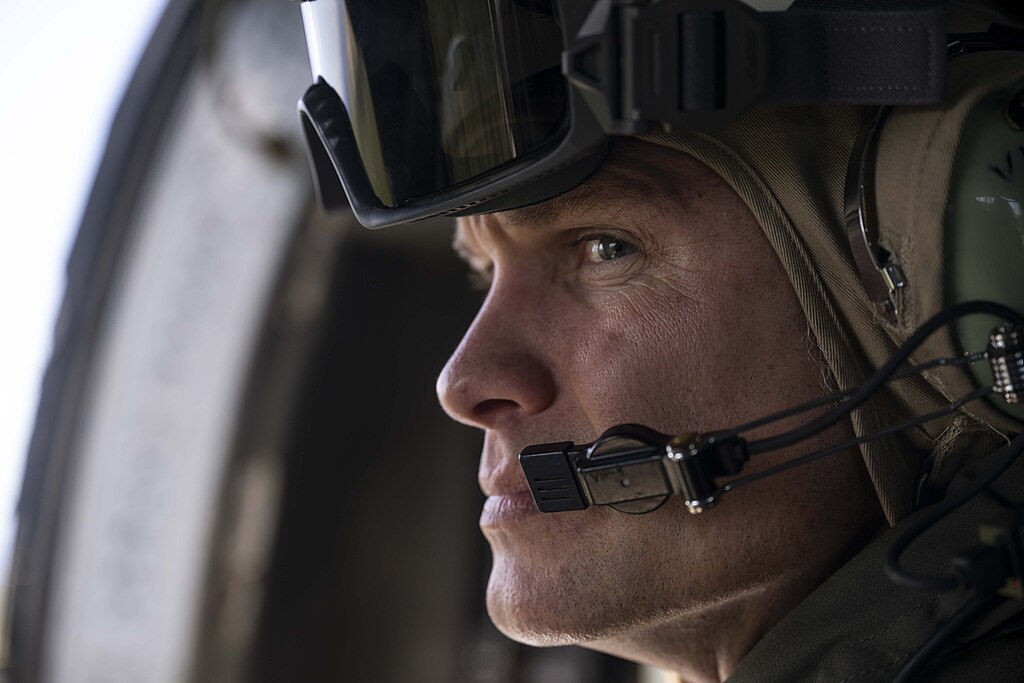
U.S. troops have detained migrants for the first time inside newly established military zones along the U.S.-Mexico border, marking a significant escalation in the Trump administration’s immigration crackdown. The detentions occurred in New Mexico near Santa Teresa on June 3, where three undocumented migrants were apprehended by military personnel before being transferred to U.S. Border Patrol, according to Army spokesperson Major Geoffrey Carmichael.
Defense Secretary Pete Hegseth recently designated 260 miles of border territory in New Mexico and Texas as extensions of U.S. Army bases. This legal move allows federal troops to temporarily detain civilians, conduct searches, and manage crowd control without invoking the Insurrection Act, a law permitting domestic deployment of the military in emergencies.
While past administrations used troops in supportive roles such as surveillance and infrastructure, President Trump expanded military authority by granting detention powers within these National Defense Areas. Since their establishment, troops have detected around 390 instances of illegal border crossings, the Army reported.
Despite these measures, legal challenges have emerged. Courts in New Mexico and Texas have dismissed several trespassing charges, with one judge acquitting a Peruvian woman on the grounds that she was unaware she had entered a restricted military area.
The news of the border detentions comes as President Trump also ordered the deployment of state-based National Guard troops to Los Angeles amid protests over aggressive immigration raids. The use of active-duty forces in both border and domestic operations underscores Trump’s hardline stance on immigration enforcement ahead of the 2026 election season.
This development raises concerns about civil liberties and the precedent set by using military authority for immigration control, signaling an increasingly militarized approach to U.S. border security.







