


 Mexico-US Trade Talks Delayed to October as Tariff Negotiations Continue
  U.S. Treasury Yields Surge as 30-Year Hits 22-Year High
  RBI Uses $10 Billion Currency Swaps to Drain Excess Rupee Liquidity
  Asian Stocks Fall as Bond Yields Surge Ahead of Trump-Xi Summit
  Soybean Futures Slip as Traders Await Trump-Xi Trade Signals
  Asian Currencies Mixed as Dollar Holds Near Two-Month High
  European Stocks Slip as Iran Tensions Offset Strong Eurozone Data
  Fed Unveils Stablecoin Rules Under GENIUS Act
  Wall Street Falls as Treasury Yields Surge, Oil Rebounds on Iran Tensions
  China’s ‘Lipstick King’ Says AI Won’t Replace Livestream Hosts
  Trump, Xi Focus on Trade and AI at White House Summit
  Oil Prices Ease as Iran Tensions Clash With Diplomacy Hopes
  Oil Prices Surge as U.S.-Iran Diplomacy Hopes Fade
  Gold Prices Fall as Treasury Yields Rise on Fed Rate Hike Bets
  Russian Envoy Dmitriev Heads to US for Ukraine Talks
  U.S. Dollar Hits Two-Month High as Oil, Treasury Yields Surge
  US Stock Futures Fall as Treasury Yields Surge Ahead of Trump-Xi Summit


 Add as a preferred source on Google
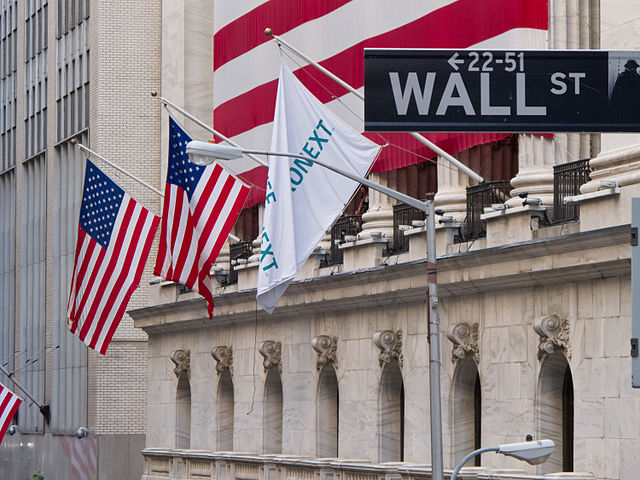
U.S. stock index futures traded little changed late Wednesday as investors assessed rising geopolitical tensions between the United States and Iran alongside the Federal Reserve’s cautious stance on inflation and interest rates.
S&P 500 futures were nearly flat at 7,531.75, while Nasdaq 100 futures gained 0.2% to 29,524.75. Dow Jones futures also held steady at 52,639 as traders looked for fresh market catalysts following a mixed performance on Wall Street.
During Wednesday’s regular trading session, the Dow Jones Industrial Average declined 1.1%, while the S&P 500 slipped 0.3%. In contrast, the Nasdaq Composite advanced 0.2%, supported by strong gains in major semiconductor stocks.
Investor sentiment weakened after U.S. President Donald Trump declared that the interim peace agreement with Iran was effectively over, raising concerns that the conflict could escalate further. Reports of fresh U.S. strikes on Iranian targets and warnings of retaliation from Iranian officials increased uncertainty across global financial markets.
The geopolitical developments drove oil prices higher as traders monitored the potential impact of disruptions to shipping through the Strait of Hormuz, a key global energy route. Rising crude prices also renewed concerns that inflationary pressures could persist, potentially influencing the Federal Reserve’s timeline for future interest rate decisions.
Despite broader market weakness, technology shares provided support. Broadcom surged after announcing a significant chip supply agreement with Apple, boosting optimism around semiconductor demand. Nvidia also posted solid gains, helping lift the Nasdaq as investors continued to favor leading artificial intelligence and chip-related stocks.
Market participants are also closely watching the Federal Reserve’s policy outlook. The latest meeting minutes indicated that policymakers remain cautious about inflation and are not yet ready to declare victory over rising prices. The prospect of higher energy costs resulting from geopolitical instability has added another layer of uncertainty to the central bank’s decision-making process.
With geopolitical risks, elevated oil prices, and the Fed’s inflation outlook dominating sentiment, investors are expected to remain cautious as they await additional economic data and further developments in the Middle East that could shape the direction of U.S. stock markets.







