


 Gold Prices Hold Steady Ahead of Trump-Xi Summit, Middle East Risks
  Yen in Focus as BOJ, Fed Rate Hikes Reshape Currency Markets
  Trump Says ‘Freedom’ Is Coming to Cuba
  Oil Prices Rise as U.S.-Iran Talks Fuel Diplomacy Hopes
  Zelenskiy Meets CIA Chief John Ratcliffe at Ireland’s Shannon Airport
  Canada Unveils Bill to Fast-Track Major Resource Projects
  Vietnam, US Trade Deal Could Be Signed Soon, To Lam Says
  China Tightens Fentanyl Rules Ahead of Trump-Xi Summit
  US-China Talks Target AI, Tariffs Ahead of Trump-Xi Summit
  US Plans Two New Military Bases in Greenland Under Arctic Deal
  Taiwan Vows to Advance US Arms Sales Ahead of Trump-Xi Meeting
  Lula and Flavio Bolsonaro Tied in Brazil Runoff Poll
  European Stocks Slip as Iran Tensions Offset Strong Eurozone Data
  US, Japan and South Korea Back Taiwan Ahead of Trump-Xi Summit
  Russian Strikes Kill Eight Across Ukraine as Energy Sites Hit
  Trump Board of Peace Unveils $2.45 Billion Gaza Recovery Plan


 Add as a preferred source on Google
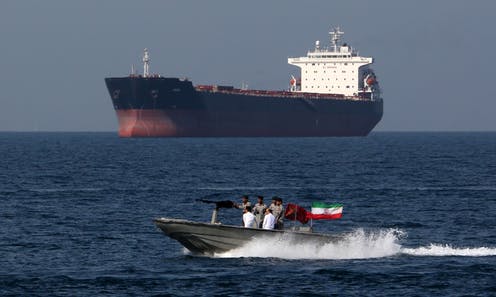
The United States launched a new wave of military strikes against Iran on Wednesday, targeting sites linked to Tehran’s ability to threaten shipping through the Strait of Hormuz. The escalation followed attacks on three commercial cargo vessels a day earlier and intensified fears of a broader regional conflict.
U.S. Central Command (CENTCOM) said the operation was intended to protect freedom of navigation along one of the world’s most critical oil shipping routes. The military stated that the strikes were a direct response to what it described as Iran’s recent aggression against civilian ships and international maritime traffic.
President Donald Trump reinforced the administration’s position, warning that any further attacks on commercial shipping would trigger a stronger U.S. response. Posting on Truth Social, Trump said Tuesday’s ship attacks prompted the latest military action and cautioned that future retaliation would be even more severe.
Iranian media reported explosions across several southern coastal cities, including Bandar Abbas, Konarak, Chabahar, and Iranshahr. Infrastructure damage caused temporary power outages in parts of Chabahar, while state media said a firefighter was killed after an airport strike. A railway bridge near Aqqala in northern Iran was also reportedly hit.
Iran responded by launching another round of missile and drone attacks targeting Kuwait and Bahrain, both of which host U.S. military bases. Kuwait said its air defenses intercepted incoming threats, while Qatar briefly raised its security alert before later announcing that the situation had stabilized.
The latest fighting further undermined hopes for a lasting peace agreement. Trump said he believes the interim ceasefire with Iran is effectively over and questioned whether any future deal would hold. While he expressed doubts about negotiations, he also suggested the conflict was unlikely to develop into a prolonged war.
Iran condemned the U.S. operation, accusing Washington of violating international law and breaching the memorandum of understanding signed in June. Iranian officials warned that additional retaliation remains possible, including changes to the country’s nuclear policy or restrictions on other strategic shipping routes.
The renewed conflict lifted Brent crude prices by about 1% to roughly $79 per barrel, reflecting renewed concerns over oil supplies passing through the Strait of Hormuz, a corridor responsible for transporting roughly one-fifth of global crude exports.







