


 Wall Street Ends Flat as Oil, Treasury Yields and Fed Jitters Rattle Markets
  Oil Prices Surge as U.S.-Iran Diplomacy Hopes Fade
  US 10-Year Treasury Yield at 6% Emerges as New Market Risk Threshold
  Fed Unveils Stablecoin Rules Under GENIUS Act
  U.S. 10-Year Treasury Yield Hits 2007 High as Fed Rate Hike Bets Rise
  Oil Prices Jump 3% as Houthi Attack Revives Supply Fears
  Trump, Xi Focus on Trade and AI at White House Summit
  Wall Street Falls as Treasury Yields Surge, Oil Rebounds on Iran Tensions
  China’s ‘Lipstick King’ Says AI Won’t Replace Livestream Hosts
  Oil Prices Ease as Iran Tensions Clash With Diplomacy Hopes
  RBI Uses $10 Billion Currency Swaps to Drain Excess Rupee Liquidity
  US Stock Futures Fall as Treasury Yields Surge Ahead of Trump-Xi Summit
  Mexico-US Trade Talks Delayed to October as Tariff Negotiations Continue
  Soybean Futures Slip as Traders Await Trump-Xi Trade Signals
  Japan Private-Sector Growth Slows as Domestic Demand Weakens
  Asian Stocks Fall as Surging Bond Yields Rattle Markets


 Add as a preferred source on Google
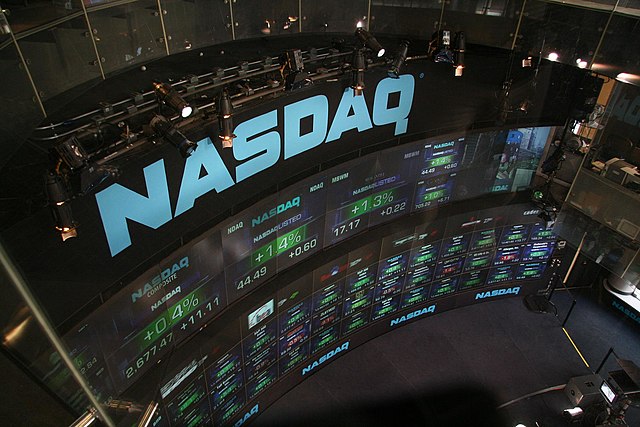
U.S. stock index futures were little changed on Monday evening as investors reacted to fresh policy developments from the Trump administration and positioned cautiously ahead of a key Federal Reserve meeting and major technology earnings. Futures tied to the S&P 500 hovered near flat levels, while Nasdaq 100 futures edged higher, supported by ongoing optimism around large-cap technology stocks. Dow Jones futures underperformed, slipping modestly amid pressure on healthcare shares.
During regular trading hours, Wall Street closed higher, with the Dow Jones Industrial Average rising 0.6%, the S&P 500 gaining 0.5%, and the Nasdaq Composite advancing 0.4%. However, sentiment shifted slightly in after-hours trading following news that the Trump administration proposed near-flat payment rates for Medicare Advantage plans. The policy proposal disappointed investors who had anticipated a more generous increase, sparking concerns about profitability in the health insurance sector.
As a result, shares of major health insurers such as UnitedHealth Group, Humana, and CVS Health declined sharply in extended trading. Investors warned that slower reimbursement growth could squeeze margins at a time when medical costs remain elevated, weighing on the Dow futures. Adding to market uncertainty, President Donald Trump announced an increase in tariffs on South Korean imports to 25% from 15%, citing Seoul’s failure to approve a previously agreed trade deal.
Markets are now firmly focused on the Federal Reserve’s two-day policy meeting, which concludes on Wednesday. The central bank is widely expected to keep interest rates unchanged as officials evaluate easing financial conditions, cooling inflation, and signs of gradual moderation in the labor market. Recent economic data has reinforced expectations that the Fed will refrain from signaling near-term rate cuts, instead emphasizing a cautious, data-dependent approach toward its 2% inflation target. Investors will closely analyze the Fed’s statement and Chair Jerome Powell’s press conference for hints on the timing and pace of potential rate cuts later this year.
Attention is also turning to earnings from the so-called “Magnificent Seven,” which are expected to play a decisive role in shaping near-term market direction. Microsoft, Meta Platforms, and Tesla are scheduled to report results on Wednesday, followed by Apple on Thursday. With technology stocks driving much of the recent rally, investors will focus on commentary around artificial intelligence investments, cloud spending trends, consumer demand, and margin pressures from higher costs, all of which could influence U.S. equities in the days ahead.







