


 J.P. Morgan Sees Potential Vestas Guidance Upgrade Amid Strong Wind Energy Demand
  China’s AI Manufacturing Boom Masks Weak Consumer Economy, Citi Says
  How Donald Trump has changed the way diplomacy is done
  Singapore Inflation Stays Muted in May as Core CPI Misses Forecasts Ahead of MAS Review
  South Korea Remains MSCI Emerging Market Despite Reform Progress
  Gold Prices Mixed as Stronger Dollar Offsets Safe-Haven Demand Amid U.S.-Iran Peace Talks
  SpaceX Stock Gets $175 Target as Analysts See Massive Growth Ahead
  Japan, U.S. Discuss Yen Weakness as Currency Intervention Concerns Grow
  South Korea’s KOSPI Rebounds as Samsung and SK Hynix Lead Tech Stock Recovery
  Dollar Holds Firm as U.S.-Iran Talks Ease Tensions, GBP/USD Slips Amid UK Political Uncertainty
  Japan Keeps Markets Guessing as Yen Nears 40-Year Low, Raising Intervention Risks
  Gold Price Rises as Investors Weigh U.S.-Iran Talks and Fed Policy Outlook


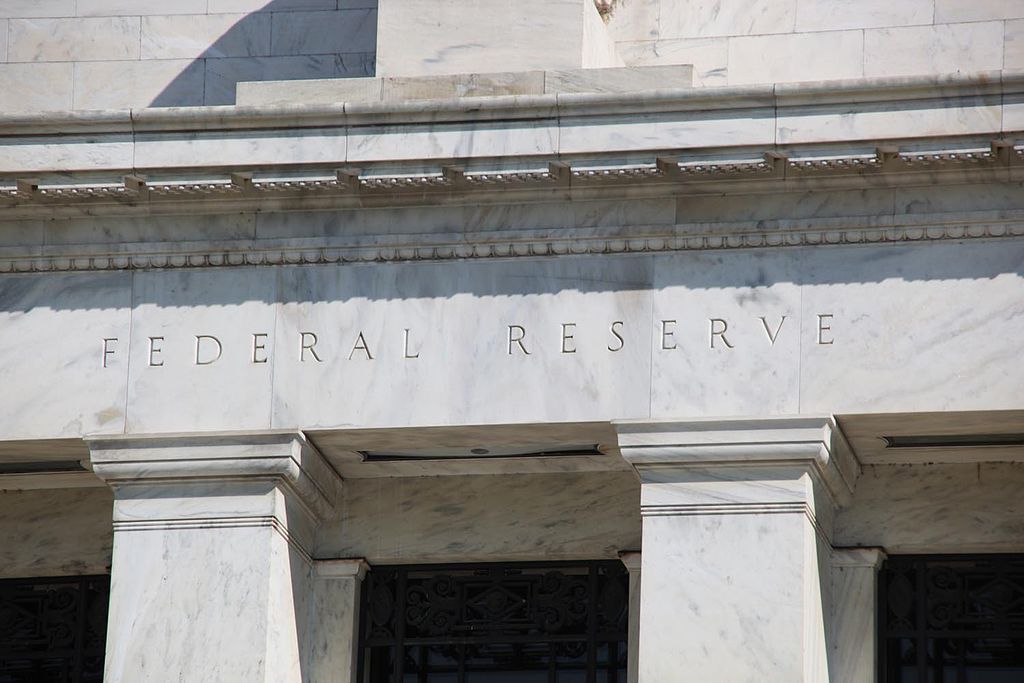
New research from the Brookings Institution suggests the Federal Reserve could shrink its balance sheet through a combination of regulatory adjustments, payment system reforms, and more active market interventions — without necessarily disrupting financial stability.
Stanford finance professor Darrell Duffie authored the paper, outlining a multi-pronged strategy centered on reducing financial institutions' heavy reliance on central bank reserves. Among the proposed measures, Duffie suggests easing current liquidity regulations so that banks feel more comfortable holding fewer liquid assets. Reforming the Fed's Fedwire payment system to better align incoming and outgoing transactions could also reduce the need for excess cash buffers.
Additional recommendations include tiered reserve compensation, where the Fed would lower interest payments on reserves held beyond a certain threshold, and a shift toward more frequent temporary open market operations rather than the largely automated liquidity management approach currently in place.
Duffie clarified he is not advocating for or against balance sheet reduction, describing it as a complex cost-benefit decision best left to Fed policymakers. He acknowledged that a large balance sheet offers real financial stability advantages and has supported the Fed's monetary policy goals effectively.
The conversation around Fed balance sheet size is gaining political momentum. Kevin Warsh, a known critic of expanded central bank holdings, is expected to replace Fed Chair Jerome Powell when his term concludes in May. Treasury Secretary Scott Bessent has similarly raised concerns about the Fed's significant presence in asset markets.
The Fed's total holdings have grown from under $1 trillion before the 2008 financial crisis to approximately $6.6 trillion today, down from a $9 trillion peak in 2022. That growth stems from large-scale bond purchases made during multiple economic downturns. A key challenge remains: reducing liquidity too aggressively risks destabilizing short-term interest rate control, as experienced in 2019.







