


 Canadian Dollar Faces Pressure as Fed-BoC Policy Gap Widens
  U.S. Dollar Hits Two-Month High as Oil, Treasury Yields Surge
  Trump, Xi Focus on Trade and AI at White House Summit
  Gold Holds Near $4,275 as Rising Treasury Yields Fuel Fed Rate Hike Bets
  Fed Unveils Stablecoin Rules Under GENIUS Act
  Asian Currencies Mixed as Dollar Holds Near Two-Month High
  Fed’s Hammack Says Bond Yield Surge Is Not Driven by Inflation Fears
  Wall Street Ends Flat as Oil, Treasury Yields and Fed Jitters Rattle Markets
  Japan Private-Sector Growth Slows as Domestic Demand Weakens
  US Comfortable With Canada Trade Standoff as Import Bans Loom
  Asian Stocks Fall as Bond Yields Surge Ahead of Trump-Xi Summit
  Asian Stocks Fall as Surging Bond Yields Rattle Markets
  Soybean Futures Slip as Traders Await Trump-Xi Trade Signals
  European Stocks Fall as Bond Yields and Geopolitical Risks Weigh
  Dollar Holds Near Two-Month High as Yen Approaches 160
  Australia Unemployment Hits Five-Year High Despite Strong Jobs Growth


 Add as a preferred source on Google
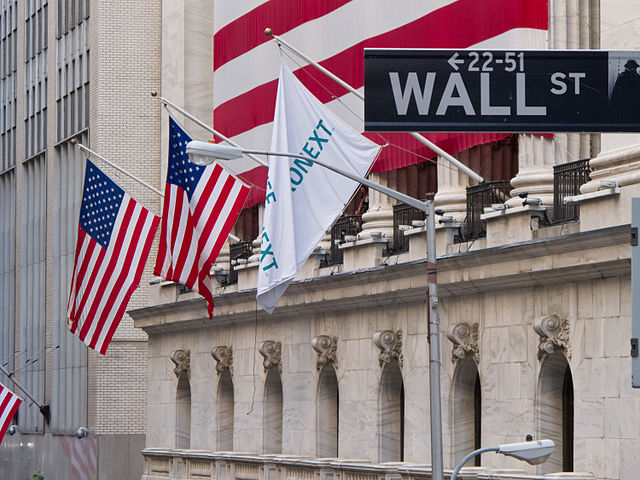
U.S. stock index futures dipped slightly on Sunday evening, easing after Wall Street surged to record highs last week on optimism over Federal Reserve interest rate cuts. By 19:37 ET (23:37 GMT), S&P 500 Futures slipped 0.1% to 6,715.25, Nasdaq 100 Futures dropped 0.1% to 24,849.50, and Dow Jones Futures edged 0.1% lower to 46,587.0.
Last week, the S&P 500 closed at a record 6,664.36, up 0.5%, while the Nasdaq Composite gained 0.7% to 22,631.48. The Dow Jones advanced 0.4% to 46,315.27. The rally followed a 25-basis-point Fed rate cut, with policymakers signaling more easing ahead to support the labor market despite concerns over persistent inflation. Markets welcomed the shift, seeing lower rates as a cushion against slowing U.S. economic growth.
Technology stocks led the rally, with Apple (NASDAQ:AAPL) surging on strong early demand for its iPhone 17 lineup. Chipmakers and cloud computing firms also benefited from sustained enthusiasm around artificial intelligence. Delivery giant FedEx (NYSE:FDX) posted upbeat earnings, further boosting sentiment as it is often viewed as a barometer of U.S. economic health.
This week, investor focus shifts to fresh economic data and Federal Reserve commentary. Several Fed officials, including Chair Jerome Powell, are scheduled to speak, with markets seeking further clues on monetary policy direction. September’s Purchasing Managers Index is expected to shed light on business activity, while the final second-quarter GDP reading will offer insight into economic momentum.
The key highlight will be Friday’s release of the Personal Consumption Expenditures (PCE) price index—the Fed’s preferred inflation gauge. Core PCE inflation remains above the 2% target, with investors watching closely for signs of tariff-driven price pressures that could influence the central bank’s rate path.







