


 Saudi Arabia Seeks Military Support as Houthi Attacks Escalate
  China’s ‘Lipstick King’ Says AI Won’t Replace Livestream Hosts
  Fed’s Hammack Says Bond Yield Surge Is Not Driven by Inflation Fears
  Fed Unveils Stablecoin Rules Under GENIUS Act
  Asian Stocks Fall as Surging Bond Yields Rattle Markets
  Oil Prices Ease as Iran Tensions Clash With Diplomacy Hopes
  Asian Stocks Fall as Bond Yields Surge Ahead of Trump-Xi Summit
  Asian Currencies Mixed as Dollar Holds Near Two-Month High
  Australia Unemployment Hits Five-Year High Despite Strong Jobs Growth
  US 10-Year Treasury Yield at 6% Emerges as New Market Risk Threshold
  US Comfortable With Canada Trade Standoff as Import Bans Loom
  What ‘Taiwan Independence’ Means as Xi Presses Trump on US Policy
  France Defends Netanyahu Airspace Clearance Despite ICC Warrant
  Canadian Dollar Faces Pressure as Fed-BoC Policy Gap Widens
  North Korea Rejects Nuclear Test Warning, Calls Nuclear Status Irreversible
  Trump Asks Supreme Court to Restore Third-Country Deportations
  Ukrainian Drone Attacks Hit Russian Regions, Injuring at Least 12


 Add as a preferred source on Google
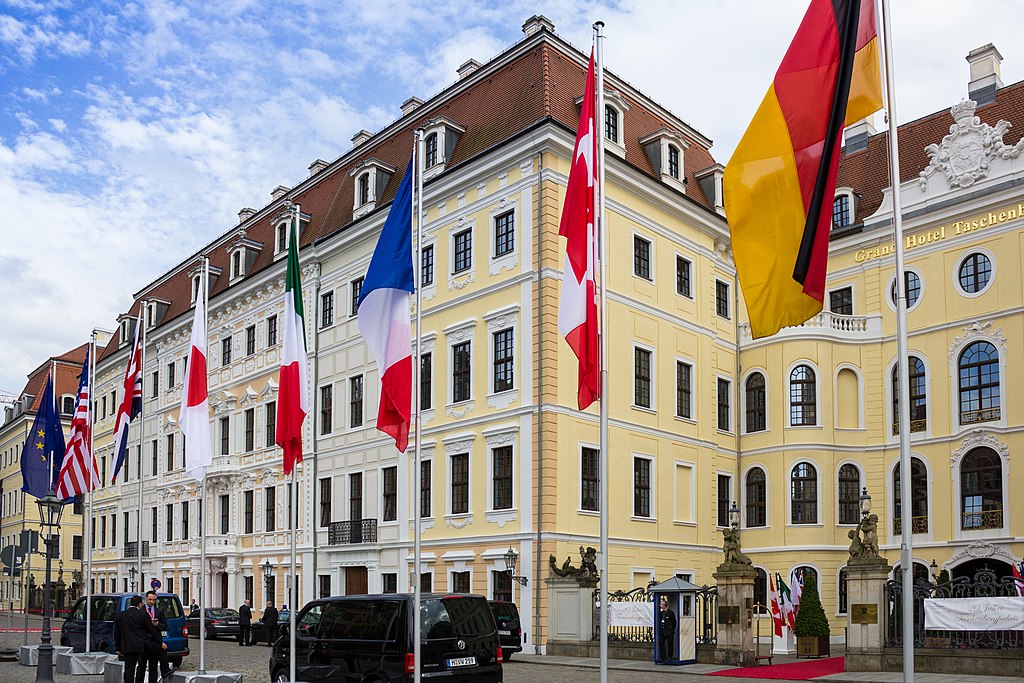
The United States is urging G7 countries to impose steep tariffs on India and China for continuing to buy Russian oil, according to the Financial Times. Washington hopes the move will pressure Moscow into peace talks with Ukraine.
G7 finance ministers are expected to discuss the proposal during a video call on Friday. The plan comes as President Donald Trump intensifies efforts to secure a peace agreement between Russia and Ukraine.
A U.S. Treasury spokesperson told the FT that oil purchases by China and India are “funding Putin’s war machine” and prolonging the conflict. Washington is calling for “meaningful tariffs” of 50% to 100% that would be lifted once the war ends.
Last month, the U.S. doubled tariffs on Indian imports in response to its oil trade with Russia. Earlier this year, Trump imposed and later scaled back duties on Chinese goods. The administration argues that stronger trade measures are necessary to cut Russia’s oil revenues, which remain a crucial source of funding for the war.
However, European Union officials remain cautious. Concerns about potential retaliation from Beijing and New Delhi, along with sensitive trade negotiations with India, are driving hesitation. While the U.S. wants coordinated action, Europe is wary of escalating trade tensions that could undermine broader economic and diplomatic goals.
If implemented, the tariffs could significantly raise costs for Chinese and Indian refiners, disrupting global oil flows and reshaping energy markets. The outcome of Friday’s G7 discussions may determine whether Washington can rally allies around its latest strategy to weaken Russia’s wartime economy.







