


 Samsung Electronics Stock Surges on Report of Massive $59 Billion Share Buyback Plan
  SpaceX Stock Rebounds After Sharp Selloff, But Valuation Concerns Persist
  SEC Tokenized Stock Approval Still Expected as Regulatory Framework Advances
  Baseten Secures $1.5 Billion Funding at $13 Billion Valuation Amid AI Infrastructure Boom
  Alphabet Stock Slides as AI Talent Exodus and SpaceX Losses Shake Investor Confidence
  WiseTech Global Denies Knowledge of Investigation Into Founder Richard White
  DOJ Opens Investigation Into NYC Coffee Shop Over Anti-Goldman Social Media Post
  Qualcomm Nears $4 Billion Acquisition of AI Chip Startup Modular
  Apollo Debt Solutions Limits Redemptions as Withdrawal Requests Surge
  Trump Administration Plans Deportation of Iranian Migrants to Central African Republic Under New Third-Country Deal
  U.S. Launches Trade Investigation Into Germany’s Pharmaceutical Cost-Cutting Plans
  Meta Challenges Australia’s Proposed Tech Tax, Citing U.S. Trade Agreement Concerns
  SpaceX Stock Plunges 16% as KeyBanc Warns Valuation May Be Overstretched
  Oracle Cuts 21,000 Jobs as AI Reshapes Workforce and Cloud Expansion Accelerates
  JPMorgan Sees Strong Strategic Value in Potential AbbVie Acquisition of Apogee Therapeutics
  Meta Pauses Employee Activity Tracking Program Over Data Security Concerns


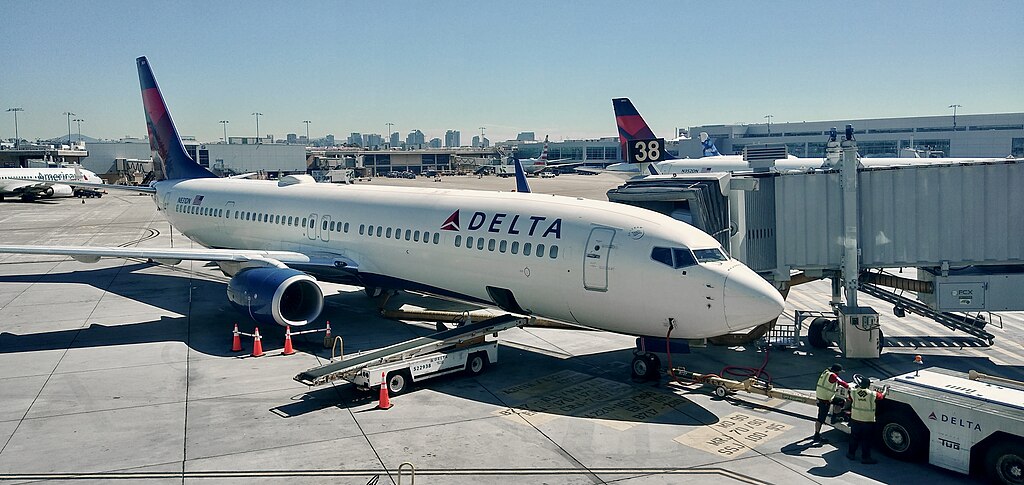
The U.S. Transportation Department has ordered Delta Air Lines and Aeromexico to dissolve their nearly nine-year joint venture by January 1, citing anticompetitive concerns in the U.S.–Mexico air travel market. The partnership allowed the airlines to coordinate schedules, pricing, and capacity on U.S.–Mexico routes.
Officials said the decision is necessary because the arrangement gives Delta and Aeromexico an unfair advantage at Mexico City International Airport, where they currently operate about 60% of passenger flights to the U.S. The airport is one of the largest gateways for international travel between the two countries.
While the ruling requires the end of the joint venture, Delta is not being forced to sell its 20% stake in Aeromexico. The department added that both carriers remain free to compete and could reapply for approval if market conditions change.
Delta expressed disappointment, warning the termination will harm U.S. jobs, communities, and consumers. The airline previously said the partnership supported nearly 4,000 U.S. jobs, contributed over $310 million to GDP, and provided up to $800 million in annual consumer benefits. Without the venture, Delta warned that smaller planes may replace current aircraft, and some routes could be canceled.
The Biden administration initially raised concerns in early 2024 after Mexico reduced flight slots and relocated cargo carriers, measures that U.S. officials argue distorted competition. Transportation Secretary Sean Duffy also warned that Mexican carriers could face restrictions if the government failed to address these issues.
The department emphasized that Mexico continues to enforce a slot allocation system that disadvantages U.S. airlines while benefiting Aeromexico, raising the risk of higher fares and reduced capacity for travelers. The Mexican government and Aeromexico have yet to respond to the order.







