


 Debate over H-1B visas shines spotlight on US tech worker shortages
  The American mass exodus to Canada amid Trump 2.0 has yet to materialize
  Glastonbury is as popular than ever, but complaints about the lineup reveal its generational challenge
  Stuck in a creativity slump at work? Here are some surprising ways to get your spark back
  ‘Buy now, pay later’ doesn’t feel like debt. For young people, that can be a big problem
  Heritage, desire and diplomacy: why China still values scotch whisky
  1 in 3 uni students experience serious financial hardship. Could concession cards for all help?
  AI is driving down the price of knowledge – universities have to rethink what they offer
  Why financial hardship is more likely if you’re disabled or sick
  Why have so few atrocities ever been recognised as genocide?
  Britain has almost 1 million young people not in work or education – here’s what evidence shows can change that
  Want to cut your energy bills? Here’s how five experts are doing it
  Locked up then locked out: how NZ’s bank rules make life for ex-prisoners even harder
  Time to buy local: war fuel price shocks reveal the folly of a long food supply chain
  The ghost of Robodebt – Federal Court rules billions of dollars in welfare debts must be recalculated


 Add as a preferred source on Google
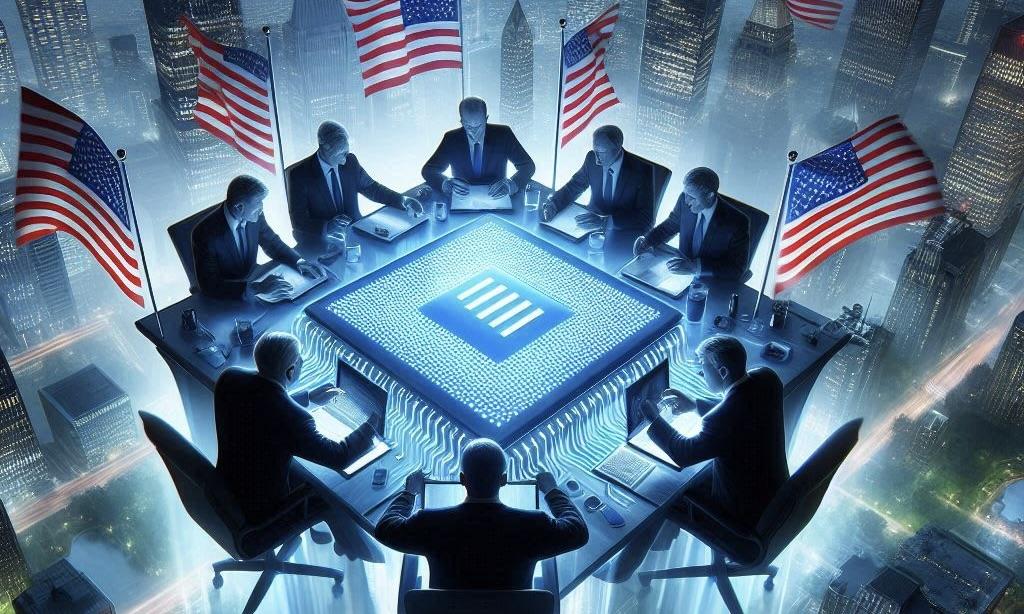
Facing financial setbacks, Intel’s future is under review as U.S. policymakers explore merger possibilities to secure the nation's semiconductor supply chain. Potential partners, including Qualcomm and ARM, could help reinforce Intel’s stability, marking a pivotal moment for the American tech industry.
U.S. Policymakers Consider Merger Options for Intel, with Qualcomm and ARM Among Contenders
Intel's recent financial struggles have raised alarm within the U.S. Commerce Department, which evaluates potential solutions, including a possible merger. As the only U.S.-based firm with advanced semiconductor manufacturing capabilities, Intel is crucial in America’s ambitions to secure a self-sufficient domestic semiconductor supply.
However, the company’s declining financial health in recent months has prompted heightened concerns among policymakers, leading to considerations for more substantial recovery measures beyond simple capital infusions.
According to Semafor's (via Wccftech) report, U.S. policymakers are exploring merger options to ensure Intel’s long-term sustainability. Speculation around Intel’s potential partnerships has intensified, with Qualcomm and ARM emerging as potential acquisition contenders. Qualcomm, in particular, has shown interest, with CEO Cristiano Amon confirming the company is reviewing possibilities and expects a decision after the U.S. elections. The report suggests policymakers are amenable to a merger, while options involving domestic firms like AMD or Marvell remain under consideration.
Intel Considers Divestiture and CHIPS Act Relief as U.S. Mulls Merger Support
The recent statements indicate that the administration may support a merger, though it remains unclear whether Intel’s complex business model aligns with such a solution. Given the strategic importance of Intel’s foundry division, some speculate that a partial divestiture may be more feasible, potentially involving selling Intel’s chip manufacturing operations. Such a move could align with potential deals involving Qualcomm, ARM, or even AMD, possibly leading to a historic restructuring of the semiconductor market and, in an unexpected scenario, an Intel-AMD collaboration.
Meanwhile, Intel is also seeking relief under the CHIPS Act, with the U.S. government set to provide $8.5 billion in grants and $11 billion in low-interest loans. However, delays in receiving these funds have exacerbated financial pressures for Intel, which is urgently exploring various sources of financial support. While Intel’s Q3 2024 earnings exceeded projections, significant recovery challenges remain, underscoring the pressing need for a robust strategy to stabilize the company’s future.







