


 Pelosi Discloses Major Intel and Uber Call Option Purchases Worth Up to $6 Million
  Samsung Electronics Stock Surges on Report of Massive $59 Billion Share Buyback Plan
  Oil Prices Fall as Iran Peace Talks Progress, Hormuz Reopens, and U.S. SPR Hits 1983 Low
  Trump’s Quantum Push Lifts IBM Stock as CEO Arvind Krishna Receives White House Praise
  Apollo Debt Solutions Limits Redemptions as Withdrawal Requests Surge
  Bain Capital Nears Deal for Majority Stake in Volkswagen Marine Engine Unit Everllence
  Trump Orders DOJ Investigation Into Exxon, Chevron Over High Gas Prices
  US Urges Europe to Impose Ebola Travel Restrictions Ahead of FIFA World Cup 2026
  China Adds MP Materials, USA Rare Earth to Export Control List Amid Escalating U.S.-China Trade Tensions
  Trump Revises U.S. Tariffs on Copper, Aluminum, and Steel Imports Through 2027
  SK Hynix Moves Closer to New York ADR Listing Amid AI Chip Boom
  Cerebras Revenue Forecast Tops Expectations, but Margin Concerns Weigh on Stock
  ASIC Launches Formal Investigation Into KPMG Australia Partners Over Client Data Misuse Allegations
  DOJ Sues Virginia Over Law Enforcement Mask Ban
  Alphabet Stock Slides as AI Talent Exodus and SpaceX Losses Shake Investor Confidence
  NTSB Investigates Boston Logan Airport Near-Miss Between Delta and American Airlines Jets
  Gold Falls Below $4,000 as Strong Dollar and Fed Rate Hike Expectations Weigh on Prices


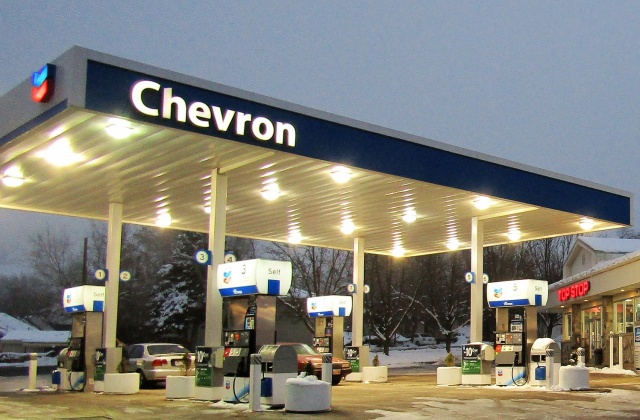
The United States is accelerating efforts to grant Chevron an expanded license for oil production in Venezuela, a move that could significantly reshape the country’s energy sector and global oil markets. U.S. Energy Secretary Chris Wright confirmed to Reuters that Washington plans to allow Chevron to compensate the Venezuelan government with cash instead of crude, enabling the U.S. oil major to sell all of the oil it produces in the country.
Under Chevron’s current license, the company has been paying royalties and taxes to Venezuela in the form of oil rather than cash. This arrangement has effectively limited Chevron’s exports to about half of its total crude production in Venezuela. The expanded license would remove that constraint, making Chevron a full marketer of Venezuelan crude and potentially boosting production and exports.
The policy shift follows major political changes in Venezuela, where the administration of former President Nicolas Maduro was removed from power earlier this month. President Donald Trump’s administration has stated its intention to re-activate Venezuela’s oil industry, which has suffered years of decline due to sanctions, mismanagement, and lack of investment. Reuters previously reported that Chevron is expected to receive authorization soon to increase output and exports under the new framework.
The U.S. has also taken direct control over Venezuela’s oil sales. After Trump said Washington would run the country’s oil industry and oversee crude marketing, officials announced plans to sell up to 50 million barrels of stranded Venezuelan oil. According to Wright, this shift has already resulted in higher prices for Venezuelan crude. Before Maduro’s removal, oil was selling for around $31 per barrel, reflecting heavy discounts. Now, the U.S. is reportedly selling the same crude at roughly a $15 discount to Brent, bringing prices closer to $45 per barrel.
Proceeds from these oil sales are being deposited into Qatari bank accounts controlled by the U.S. government, a temporary measure driven by sanctions and regulatory considerations. Wright emphasized that all funds remain under U.S. control, with the possibility of moving transactions to U.S. banks in the future.







