


 Dollar Holds Near Two-Month High as Yen Approaches 160
  Asian Stocks Fall as Surging Bond Yields Rattle Markets
  Wall Street Ends Flat as Oil, Treasury Yields and Fed Jitters Rattle Markets
  Dollar Falls as Oil Eases, Yen Jumps on Intervention Signals
  Fed Unveils Stablecoin Rules Under GENIUS Act
  China Agrees to Buy 20 Million Tons of U.S. Coal
  Germany’s 2026 Growth Outlook Strengthens on Fiscal Spending
  US Stock Futures Fall as Treasury Yields Surge Ahead of Trump-Xi Summit
  Fed’s Hammack Says Bond Yield Surge Is Not Driven by Inflation Fears
  US 10-Year Treasury Yield at 6% Emerges as New Market Risk Threshold
  U.S. Dollar Hits Two-Month High as Oil, Treasury Yields Surge
  Soybean Futures Slip as Traders Await Trump-Xi Trade Signals
  Oil Prices Jump 3% as Houthi Attack Revives Supply Fears
  Gold Holds Near $4,275 as Rising Treasury Yields Fuel Fed Rate Hike Bets
  Canadian Dollar Faces Pressure as Fed-BoC Policy Gap Widens
  Gold Prices Fall as Treasury Yields Rise on Fed Rate Hike Bets
  Oil Prices Fall on U.S.-Iran Hormuz Deal Hopes


 Add as a preferred source on Google
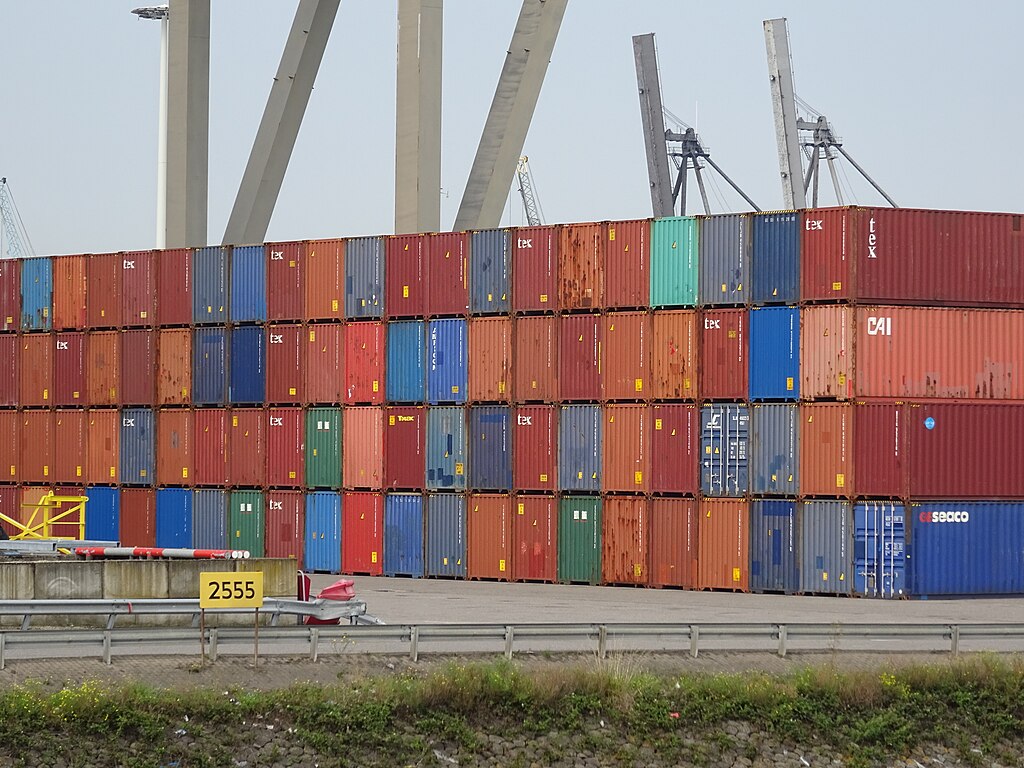
Hundreds of U.S. meat processing plants could lose export eligibility to China this Sunday, putting approximately $5 billion in trade at risk amid renewed U.S.-China tensions. The affected facilities, including those owned by Tyson Foods and Cargill, were granted access under the 2020 "Phase 1" trade deal but are now facing registration expirations with China’s customs.
Beijing, which requires food exporters to register, has not responded to repeated U.S. requests for renewal, potentially violating the Phase 1 agreement. While some 84 plant registrations lapsed in February with shipments still clearing customs, uncertainty looms over how long China will continue allowing imports. Industry experts warn the situation is critical for American meat exporters, especially as Shanghai port tightens inspections, increasing processing time and costs.
The U.S. was China’s third-largest meat supplier in 2023, accounting for 9% of total imports. If registrations expire, the beef industry could lose $4.13 billion, while pork exports may take a $1.3 billion hit. The impact would be severe for exporters of offal and specialty cuts like chicken feet, which have limited domestic demand but are popular in China.
Despite these concerns, there is no clear sign of a blanket ban. Several hundred plants have already had their registrations renewed through 2028 or 2029. However, industry leaders stress that the risk remains high unless China renews the expiring registrations. The USDA has made the issue a priority in talks with Beijing, but with escalating trade disputes, the future of U.S. meat exports to China remains uncertain.







