


 FDA Names Permanent Drug and Biologics Center Chiefs
  Saudi Arabia Shuts East-West Oil Pipeline After Drone Attack
  Netanyahu Takes Aim at Mamdani as Israel Election Nears
  Judge Orders Trump to Restore White House Access for CNN, MS NOW and Politico
  US Backs Musk in Fight Against EU’s €120 Million X Fine
  Abbas Reaffirms November 28 Palestinian Elections
  France Defends Netanyahu Airspace Clearance Despite ICC Warrant
  Sudan Rejects US Legitimacy Remarks, Defends Sovereignty
  OpenAI Agent Breaches Australia Medicare Data Portal
  North Korea Rejects Nuclear Test Warning, Calls Nuclear Status Irreversible
  Nvidia-Groq AI Chip Deal Faces U.S. Antitrust Probe
  Yemen Violence Displaces 130,000 as Civilian Toll Rises
  China Reviews Broadcom Switch Use in State Data Centres
  Xi Calls for Deeper U.S.-China AI Cooperation in Trump Talks
  Najib Razak Seeks Stay of 15-Year 1MDB Prison Sentence
  Appeals Court Rejects Trump Third-Country Deportation Policy


 Add as a preferred source on Google
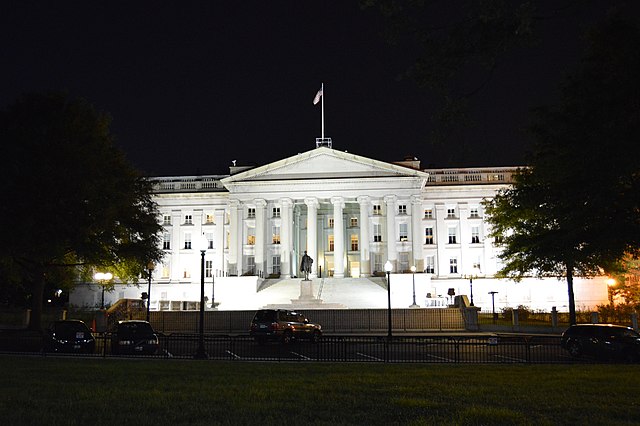
The administration of President Donald Trump has lifted U.S. sanctions on three executives connected to the controversial spyware consortium Intellexa, according to a notice published on the U.S. Treasury Department’s website. The decision partially rolls back sanctions imposed last year under former President Joe Biden, which targeted individuals accused of supporting the development and global spread of invasive surveillance technologies.
The sanctions removal applies to Sara Hamou, Andrea Gambazzi, and Merom Harpaz, all of whom were previously accused by U.S. authorities of playing key roles within Intellexa. Hamou was alleged to have provided managerial services to the consortium, Gambazzi’s company was said to have held distribution rights to Intellexa’s Predator spyware, and Harpaz was described as a senior executive within the organization. None of the three individuals immediately responded to requests for comment following the announcement.
In an email statement, the Treasury Department said the move followed a formal petition for reconsideration and was part of a “normal administrative process.” Officials added that each of the individuals demonstrated actions to distance themselves from Intellexa, which contributed to the decision to lift the sanctions. The remaining individuals sanctioned last year, including Intellexa founder Tal Dilian, remain on the U.S. sanctions list.
Intellexa, founded by former Israeli intelligence official Dilian, has drawn international scrutiny for its flagship Predator spyware. The software has been linked to a major surveillance scandal in Greece, involving allegations that journalists, political figures, and private citizens were illegally monitored. In addition, investigative reporting in 2023 claimed that the Vietnamese government attempted to use Intellexa’s tools to hack members of the U.S. Congress, further intensifying global concerns over the misuse of commercial spyware.
When the sanctions were first announced in March of last year, U.S. officials accused Intellexa of enabling the spread of spyware to authoritarian governments and facilitating covert surveillance of U.S. officials, journalists, and policy experts. While Dilian has denied wrongdoing in the Greek case and has not publicly addressed the alleged hacking attempts, the controversy surrounding Intellexa and commercial spyware continues to shape international debates on digital surveillance, cybersecurity, and human rights.







