


 France Urges Faster AI Push Despite Safety Risks
  SpaceX Nasdaq 100 Weight to More Than Double in Rebalance
  SK Hynix, Intel Discuss U.S. Memory Chip Production Deal
  Scott Bessent Eyed as Trump’s New AI Czar
  Cathie Wood Backs AI Slowdown as Safety Concerns Grow
  Rosenblatt Starts Nokia at Buy on AI Networking Growth
  DOJ Will Investigate AI-Related Crimes, Attorney General Blanche Says
  Trump Plans Federal AI Force and AI Czar
  US Federal Register Drops Alibaba Qwen AI Search Tool
  Meta Partners With Shopify to Bring Shop Pay Checkout to Muse AI
  NASA, Boeing Discuss Expanding Starliner Missions
  Qualcomm Gains on $60B Amazon AI Chip Deal
  Big AI wants to slow down AI research. Is it a safety pause or a strategic retreat?
  Microsoft Stock Upgraded as Stifel Sees Stronger Azure Growth
  SoftBank Launches $11 Billion Bond Sale to Fund OpenAI Investment
  Meta CEO Zuckerberg Backs Independent AI Safety Reviews Over Development Slowdown
  Databricks to Invest $350 Million in Singapore AI Expansion


 Add as a preferred source on Google
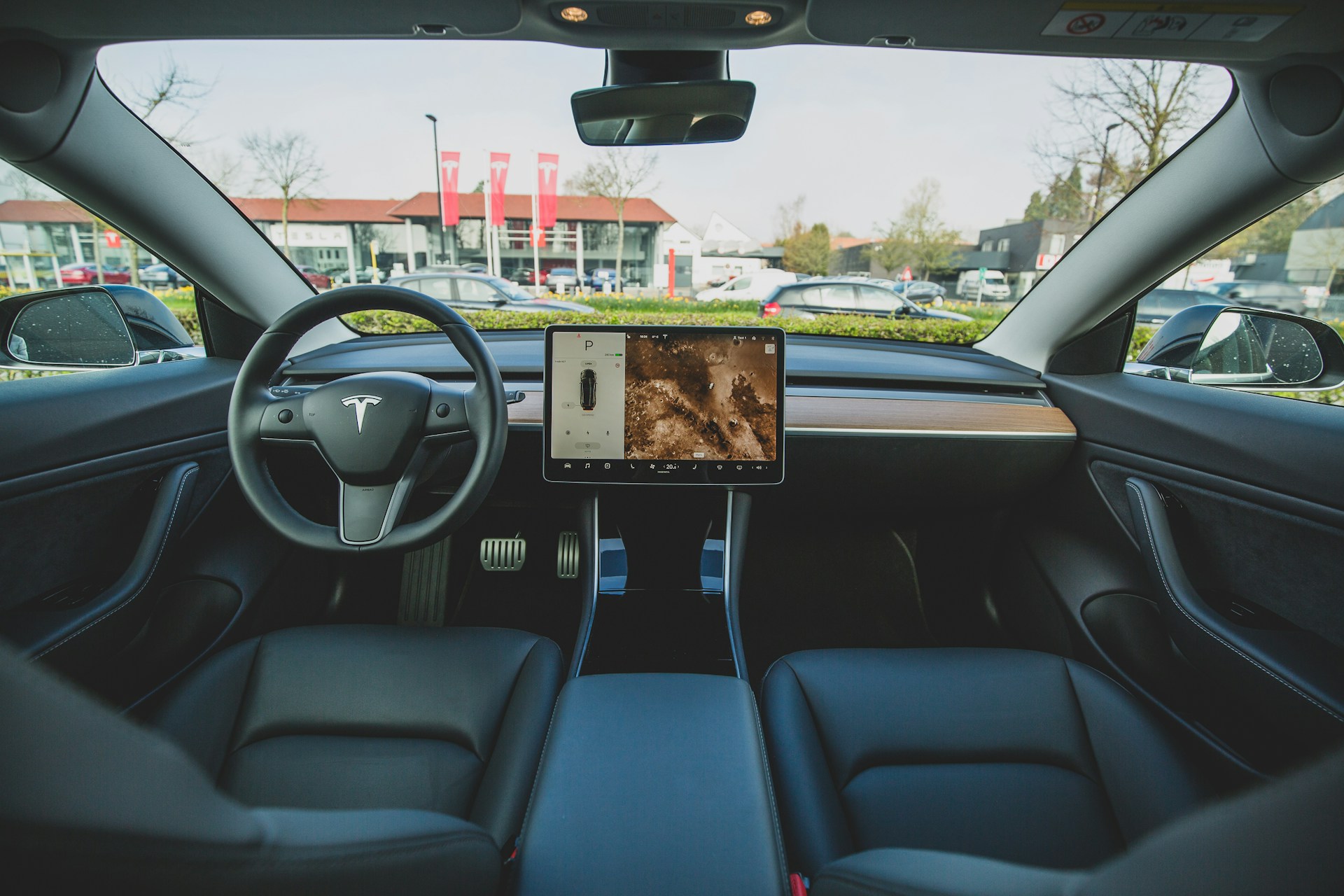
The United States Departments of Transportation and Energy have announced $325 million in additional investments to improve the dependability of electric vehicle (EV) chargers and reduce industry costs.
United States Plans to Invest $325M In Improving EV Charger Reliability And Lowering Costs
In a news release issued Friday, the White House announced three programs to repair and replace current, non-operational chargers around the country, to reduce the cost of deploying charging in underprivileged regions, and to lower battery costs. Part of the money includes over $149 million in incentives for repairing non-working charging equipment, which is expected to help bring 4,500 damaged public chargers back into service.
According to the White House, the initiatives would "increase the reliability and resilience of publicly accessible chargers, advance EV technologies, and support workforce development for EV charging deployment and maintenance."
The statement also discusses the Biden administration's notice of intent to submit regulations related to the 30C tax credit, which recommends definition changes that would allow about two-thirds of Americans to save up to 30% on charging equipment.
Federal Funds to Bolster EV Charging Network and Enhance Reliability
EV charger reliability has long been scrutinized by EV drivers and regulators alike, particularly those who have had to charge their vehicles at non-Tesla charging stations, as per Teslarati. The California Energy Commission revealed plans last year to develop a regulatory framework for public EV charger dependability and availability, but this is the first time federal funding has been allocated to support maintenance.
The newly announced financing schemes follow $623 million in grants announced earlier this month, which are intended to help close gaps in the United States' charging infrastructure.
The press statement includes a number of cash pledges for the programs, including Tesla's plan to provide at least 7,500 Superchargers to non-Tesla owners this year. Throughout much of last year and early this year, practically every automaker agreed to adopt Tesla's charging hardware, known as the North American Charging Standard (NACS).
The list also includes numerous additional automakers, as well as a new charging station joint venture including BMW, General Motors (GM), Honda, Hyundai, Kia, Mercedes-Benz, and Stellantis, which is projected to deploy 30,000 electric vehicle charging stations.
It also mentions many non-automakers as participants in the program, including the Hilton agreement for up to 20,000 Universal Wall Connectors, which was revealed in September. All of the companies on the private sector EV charging commitments document are listed below:
EV Charging Deployment
Automakers
- JV created by BMW, GM, Honda, Hyundai, Kia, Mercedes-Benz and Stellantis
- Tesla
- Forum Mobility
Charging Companies
- bp pulse (EV charging arm of bp, formerly British Petroleum)
- EVgo
- Francis Energy
Notable Charging Partnerships
- Pilot, GM, and EVgo
- TravelCenters of America and Electrify America
- Mercedes-Benz, ChargePoint, and MN8 Energy
- GM and FLO
- Forum Mobility and local San Pedro and Oakland ports
- EVgo and Meijer
Hospitality/Retail
- Marriott
- Hilton
- Walmart
EV Charger Manufacturing
- Kempower Inc.
- EdgeEnergy
- BorgWarner
- Daimler Truck North America, NextEra Energy and BlackRock Alternatives
- Ingeteam
- Atom Power
- XCharge North America
- Star Charge
- LG Electronics
Photo: Bram Van Oost/Unsplash







