


 Asian Currencies Mixed as Dollar Holds Near Two-Month High
  European Stocks Slip as Iran Tensions Offset Strong Eurozone Data
  U.S. Treasury Yields Surge as 30-Year Hits 22-Year High
  Asian Stocks Fall as Bond Yields Surge Ahead of Trump-Xi Summit
  Oil Prices Surge as U.S.-Iran Diplomacy Hopes Fade
  Wall Street Ends Flat as Oil, Treasury Yields and Fed Jitters Rattle Markets
  Soybean Futures Slip as Traders Await Trump-Xi Trade Signals
  Wall Street Falls as Treasury Yields Surge, Oil Rebounds on Iran Tensions
  Fed Unveils Stablecoin Rules Under GENIUS Act
  South Korea, US Discuss Warship Building Cooperation
  Gold Prices Fall as Treasury Yields Rise on Fed Rate Hike Bets
  Dollar Hits Two-Month High as Fed Rate Hike Bets Rise
  Japan Private-Sector Growth Slows as Domestic Demand Weakens
  European Stocks Fall as Bond Yields and Geopolitical Risks Weigh
  US Dollar Hits Two-Month High as Fed Rate Hike Bets Rise
  U.S. 10-Year Treasury Yield Hits 2007 High as Fed Rate Hike Bets Rise
  RBI Uses $10 Billion Currency Swaps to Drain Excess Rupee Liquidity


 Add as a preferred source on Google
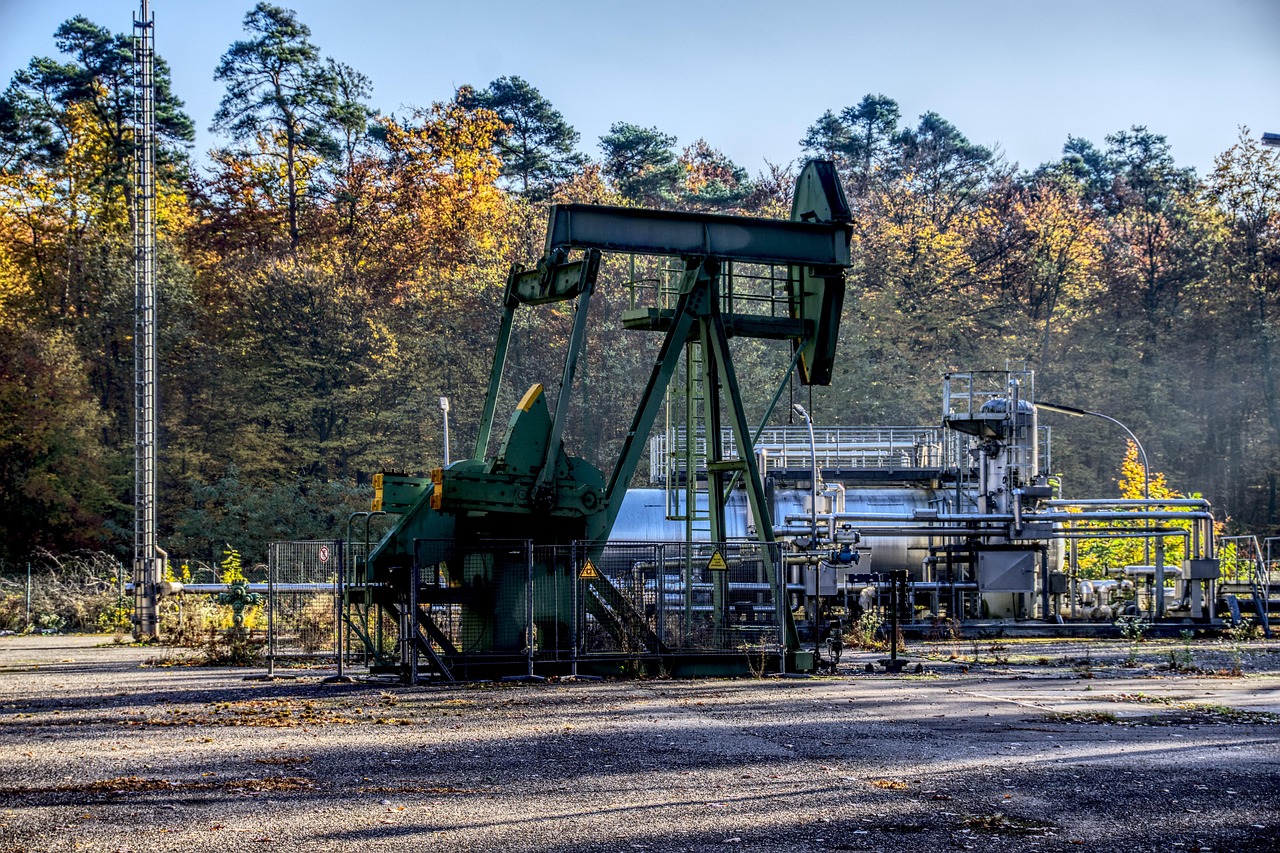
Asian stock markets opened lower on Monday as escalating conflict in the Gulf and Iran's claim that it had closed the Strait of Hormuz fueled concerns over global energy supplies, pushing oil prices sharply higher and reviving inflation fears.
Brent crude climbed 3.3% to $78.50 per barrel, while U.S. West Texas Intermediate (WTI) crude rose 3.4% to $73.83. The gains followed renewed uncertainty over shipping through the Strait of Hormuz, a key global oil transit route. Although U.S. officials said about 20 vessels had safely passed through the waterway over the previous 24 hours, ship-tracking data showed limited commercial traffic.
Higher oil prices pressured global markets, with S&P 500 futures falling 0.3% and Nasdaq futures declining 0.5%. Japan's Nikkei dropped 1%, while the MSCI Asia-Pacific index excluding Japan slipped 0.2%. South Korea's market lost 0.4%, extending recent weakness after an almost 8% decline last week as leveraged positions in semiconductor stocks unwound.
Despite the broader market weakness, SK Hynix's U.S.-listed shares surged nearly 14% following their Nasdaq debut on Friday. Investors also reacted to reports that Apple filed a lawsuit against OpenAI and two former employees over alleged trade secret theft.
The jump in crude prices pushed the U.S. 10-year Treasury yield up two basis points to 4.59%, while futures markets increased expectations for additional Federal Reserve tightening this year. Investors now await June U.S. inflation data on Tuesday and Federal Reserve Chair Kevin Warsh's first congressional testimony, both of which could influence the central bank's policy outlook.
The stronger rate outlook supported the U.S. dollar. The dollar index held firm at 101.12, while the euro edged lower to $1.1403 amid concerns over Europe's dependence on imported energy. The dollar also strengthened 0.1% against the Japanese yen to 161.96 after recovering from Friday's losses linked to discussions about Japan's Government Pension Investment Fund potentially increasing domestic investments.
Gold prices fell 1.1% to $4,076 per ounce as higher Treasury yields reduced demand for the non-yielding precious metal. Meanwhile, investors are turning their attention to the upcoming U.S. earnings season, with major banks, Netflix, and General Electric set to report results this week. Analysts at Citi remain optimistic on global technology stocks, citing strong AI-driven earnings momentum and attractive valuations despite near-term volatility.







