


 fnny Beta Launches With a Simple Idea: Find an Event, Show Up, Get Rewarded
  Oil Prices Rise as Houthi Strikes on Riyadh Fuel Middle East Tensions
  Oil Prices Rise as U.S.-Iran Talks Fuel Diplomacy Hopes
  What is Zionism? The different meanings of a contested term
  Physicists zoom into the birth of cosmic rainstorms with new CERN study
  Vietnam, US Trade Deal Could Be Signed Soon, To Lam Says
  RBA Says ASX Still Falls Short on Governance and Risk Controls
  China’s robots can run faster than Usain Bolt – now they are being prepared for war
  Asia Stocks Rise on AI Demand as Oil Eases
  Banking scandal rocks Brazil’s politics and the country’s presidential election in October
  U.S. Stock Futures Rise Ahead of Trump-Xi Summit, Middle East Risks Weigh
  S&P 500 Historically Rallies After Midterm Elections, UBS Says


 Add as a preferred source on Google
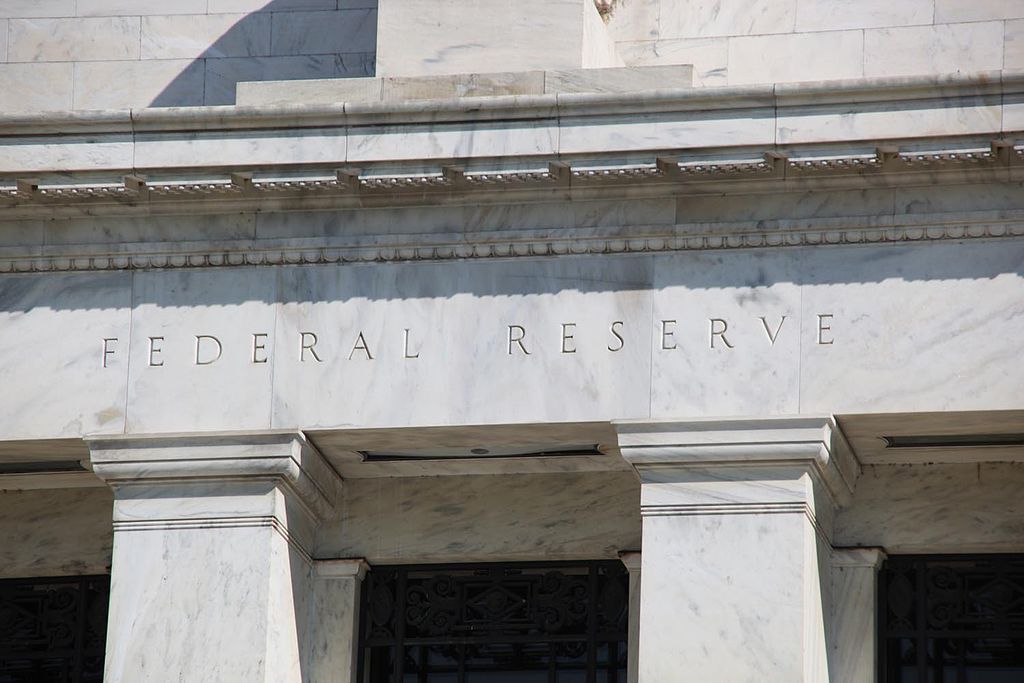
The U.S. Labor Department and Commerce Department announced that a partial government shutdown would halt the release of vital economic reports, including September’s highly anticipated employment data. This employment report, scheduled for Friday, is a critical indicator used by the Federal Reserve, businesses, and households to guide economic decisions. Unless lawmakers reach a last-minute agreement before Tuesday’s funding deadline, the shutdown will disrupt the flow of crucial economic statistics.
The Bureau of Labor Statistics (BLS), which compiles employment data, is among the agencies that would suspend operations during a lapse in funding. While the BLS confirmed that the August Metropolitan Area Employment and Unemployment report will still be released on Wednesday, it warned that longer delays could affect the quality and timeliness of future reports. The agency also cautioned that reduced funding and ongoing staffing shortages have already lowered response rates, threatening the accuracy of data long regarded as the gold standard. If September’s Consumer Price Index (CPI) report is delayed, it could even postpone the Social Security Administration’s annual Cost of Living Adjustment, affecting millions of retirees.
The Commerce Department also announced that its statistical agencies, including the Census Bureau and the Bureau of Economic Analysis, would suspend most activities during a shutdown. This means reports on U.S. construction spending, manufacturers’ shipments, and international trade data—scheduled in early October—may not be released on time. A prolonged shutdown could further impact the BEA’s initial estimate of third-quarter GDP, expected on October 30.
Uncertainty remains over whether weekly jobless claims will continue to be published. While states collect the raw data, the BLS handles seasonal adjustments. Analysts warn that disruptions in data flow could harm investor confidence and complicate policymaking at a critical time for the U.S. economy.







