


 China Agrees to Buy 20 Million Tons of U.S. Coal
  Japanese Bank Stocks Surge as Bond Yields Fuel Rate Hike Bets
  Fed Unveils Stablecoin Rules Under GENIUS Act
  Oil Prices Jump 3% as Houthi Attack Revives Supply Fears
  RBI Uses $10 Billion Currency Swaps to Drain Excess Rupee Liquidity
  US 10-Year Treasury Yield at 6% Emerges as New Market Risk Threshold
  Australia Unemployment Hits Five-Year High Despite Strong Jobs Growth
  Germany’s 2026 Growth Outlook Strengthens on Fiscal Spending
  U.S. Dollar Hits Two-Month High as Oil, Treasury Yields Surge
  US Stock Futures Fall as Treasury Yields Surge Ahead of Trump-Xi Summit
  Oil Prices Fall on U.S.-Iran Hormuz Deal Hopes
  Soybean Futures Slip as Traders Await Trump-Xi Trade Signals
  Asian Stocks Fall as Bond Yields Surge Ahead of Trump-Xi Summit
  European Stocks Fall as Bond Yields and Geopolitical Risks Weigh
  Dollar Holds Near Two-Month High as Yen Approaches 160
  Canadian Dollar Faces Pressure as Fed-BoC Policy Gap Widens
  Fed Unveils Stablecoin Rules Under GENIUS Act


 Add as a preferred source on Google
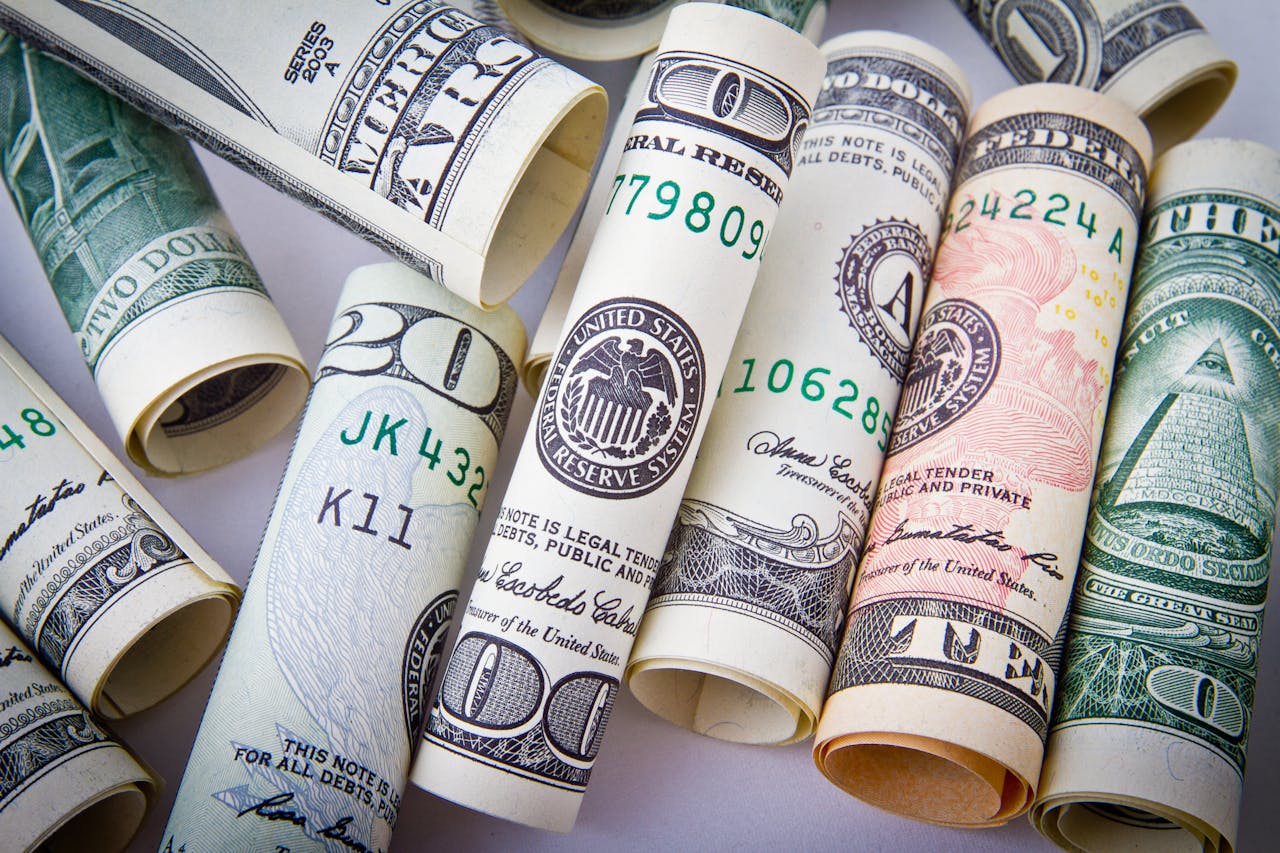
The US dollar extended its decline Tuesday as investors grew increasingly wary over the country’s rising debt burden linked to President Donald Trump’s sweeping tax and spending proposals. Markets remained cautious amid Senate debates on a tax-cut bill projected to add $3.8 trillion to the national debt over the next decade, according to the Congressional Budget Office.
The recent downgrade of the US sovereign credit rating by Moody’s on May 16 and concerns over expanded Treasury issuance have deepened investor unease. Chris Weston, head of research at Pepperstone, noted that “all roads have led to a weaker USD,” citing the perceived ballooning deficits and a shift away from dollar-denominated assets.
While global markets climbed on Monday during the US holiday, the dollar struggled. Trump’s last-minute decision to delay a planned 50% tariff hike on EU imports provided a boost to the euro, which climbed to a one-month high. European Central Bank President Christine Lagarde remarked that the euro could rival the dollar globally if the bloc strengthens its financial and security systems.
The dollar index dipped 0.1%, marking its third straight day of losses. The greenback fell 0.3% to 142.35 yen, while the euro edged up 0.1% to $1.1399. The British pound also gained 0.1% to $1.3581. Meanwhile, the New Zealand dollar held steady at $0.5999 after reaching a six-month peak on Monday. Traders now await the Reserve Bank of New Zealand’s interest rate decision on Wednesday, with a rate cut to 3.25% widely anticipated.
Ongoing volatility around US fiscal policy and global trade remains a key driver of currency market sentiment.







