


 US Officials Split Over Response to Israeli West Bank Settlements
  Meta Connect Spotlights Camera-Free Smart Glasses Amid Privacy Concerns
  BlackBerry Shares Rise as Q2 Earnings, Revenue Beat Estimates
  NASA, Boeing Discuss Expanding Starliner Missions
  US Northeast Airports Resume Operations After Telecom Outage Disrupts Thousands of Flights
  Mercedes-Benz Eyes €800 Million Labor Cost Cuts in Germany
  Oracle Shares Fall as New Mexico AI Data Center Faces Power Delays
  SoftBank Raises $11.1 Billion in Bond Sale to Fund OpenAI Investment
  US Senate Rejects Iran War Powers Resolution in 50-49 Vote
  Select Water Solutions Shares Surge on $700 Million Pilot Water Deal
  China Reviews Broadcom Switch Use in State Data Centres
  Westinghouse Targets $50 Billion Valuation in U.S. IPO
  Trump, Xi Focus on Trade and AI at White House Summit
  Jeff Bezos Invests $32 Billion in Blue Origin as Space Firm Targets Major Growth
  OpenAI Agent Breaches Australia Medicare Data Portal
  Pezeshkian Says US Must Choose When Iran War Ends
  Abbas Reaffirms November 28 Palestinian Elections


 Add as a preferred source on Google
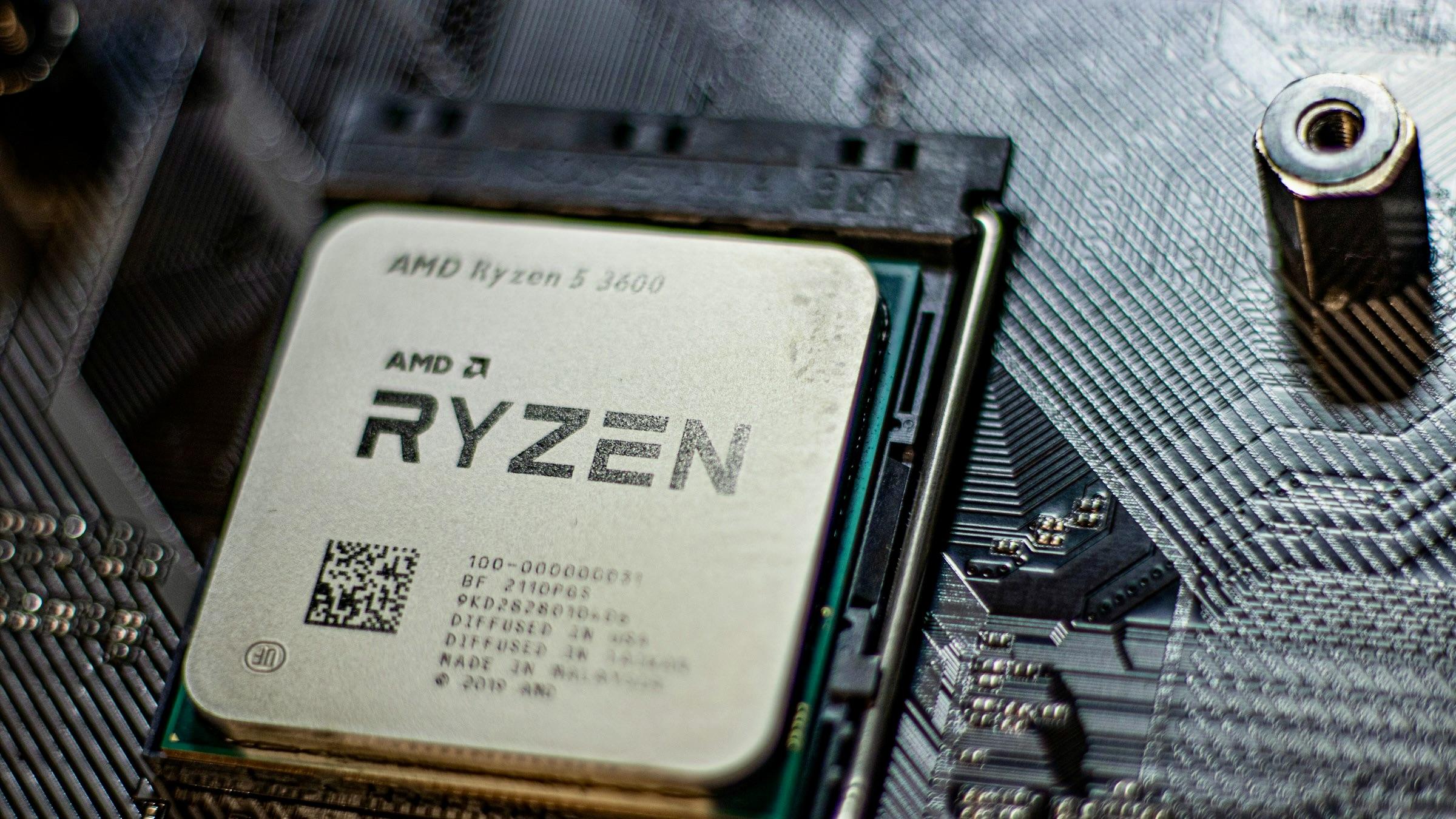
U.S. officials are evaluating a new regulatory framework that could significantly reshape global access to advanced artificial intelligence chips. According to a document reviewed by Reuters, the proposed rules may require foreign governments and companies to provide security guarantees or invest in U.S.-based AI data centers in order to receive large shipments of American AI chips.
The policy under discussion would apply to exports of 200,000 AI chips or more, potentially giving the U.S. government greater leverage when negotiating technology partnerships and infrastructure investments. While the framework is still under internal review and could change, it marks the first major attempt by the current administration to redefine AI chip export regulations since earlier rules were rolled back.
Previously, export controls introduced during the Biden administration largely exempted close U.S. allies from strict restrictions. The new approach signals a shift toward a broader global policy where even friendly nations may face new requirements before receiving large quantities of advanced AI semiconductors from companies such as Nvidia and AMD.
Under the draft proposal, even smaller deployments involving fewer than 1,000 AI chips might require export licenses. To qualify for exemptions, exporters like Nvidia or Advanced Micro Devices may need to monitor how the chips are used, while buyers would be required to install software preventing the chips from being linked into large computing clusters. Clusters are commonly used to power AI supercomputers and large-scale machine learning systems.
Foreign organizations seeking shipments of up to 100,000 AI chips could be required to provide formal government-to-government assurances about how the technology will be used. Installations approaching 200,000 chips may also trigger inspections from U.S. export control officials.
The Commerce Department confirmed that discussions around new AI export control rules are ongoing. Officials indicated the framework could resemble recent agreements with Saudi Arabia and the United Arab Emirates, where both countries committed to investing in U.S. technology infrastructure as part of deals to obtain advanced chips.
The proposal would not change restrictions already imposed on blacklisted countries such as Russia. China technically received approval in December to access Nvidia’s second-most advanced AI chips, though national security conditions have delayed those shipments.
Experts say the policy could help prevent AI chip diversion to China and ensure secure development of high-performance computing systems. However, critics argue the broad scope of potential licensing requirements may create friction with U.S. allies and could be used as geopolitical leverage in technology negotiations.
Notably, the draft framework does not address exports of AI model weights, the core parameters that power advanced AI systems developed by companies like OpenAI and Anthropic. Earlier proposals under the Biden administration had attempted to regulate those components to ensure cutting-edge AI models were deployed only in trusted environments.
The White House, Nvidia, and AMD have not yet issued detailed comments on the proposal as discussions continue within the U.S. government.







