


 UK Finance Minister Healey Calls for Fiscal Discipline Amid Global Risks
  US Judge Blocks Trump Administration’s Taxpayer-Funded Political Ads
  Brazil Election: Lula and Bolsonaro Rally Ahead of October 25 Runoff
  Houthis Warn Saudi Airports After Deadly Riyadh Attack
  Trump Calls for Zelenskyy Replacement Amid Russian Diesel Deal
  US Authorities Raid Ilhan Omar’s Home Amid Immigration Fraud Probe
  Elon Musk Donates $366 Million to 2026 US Midterms
  Panama Declares Emergency After 7.7 Earthquake Triggers 200 Aftershocks
  Most Americans Oppose Election Betting on Prediction Markets, Poll Finds
  Pakistan Declares Emergency in Khyber Pakhtunkhwa, Suspends Imran Khan’s PTI Government
  Mahmoud Abbas Postpones Palestinian Elections to September 2027
  NATO Commander Warns Russia of Devastating Response to Attack
  Trump Denies Russia and China Are Helping Iran in U.S. Conflict
  Trump Plans White House Shake-Up of Key AI Safety Agency
  North Korea Fires Ballistic Missiles as Tensions With South Korea Escalate
  Jordan Bardella Antisemitism Allegations Threaten Le Pen’s Campaign
  Russian Strikes Kill Six in Ukraine, Including Three in Kharkiv


 Add as a preferred source on Google
The Trump administration has criticized China for imposing sanctions on government ministers from Belize and Paraguay over their diplomatic relations with Taiwan, accusing Beijing of using coercion to undermine the sovereignty of countries in the Western Hemisphere.
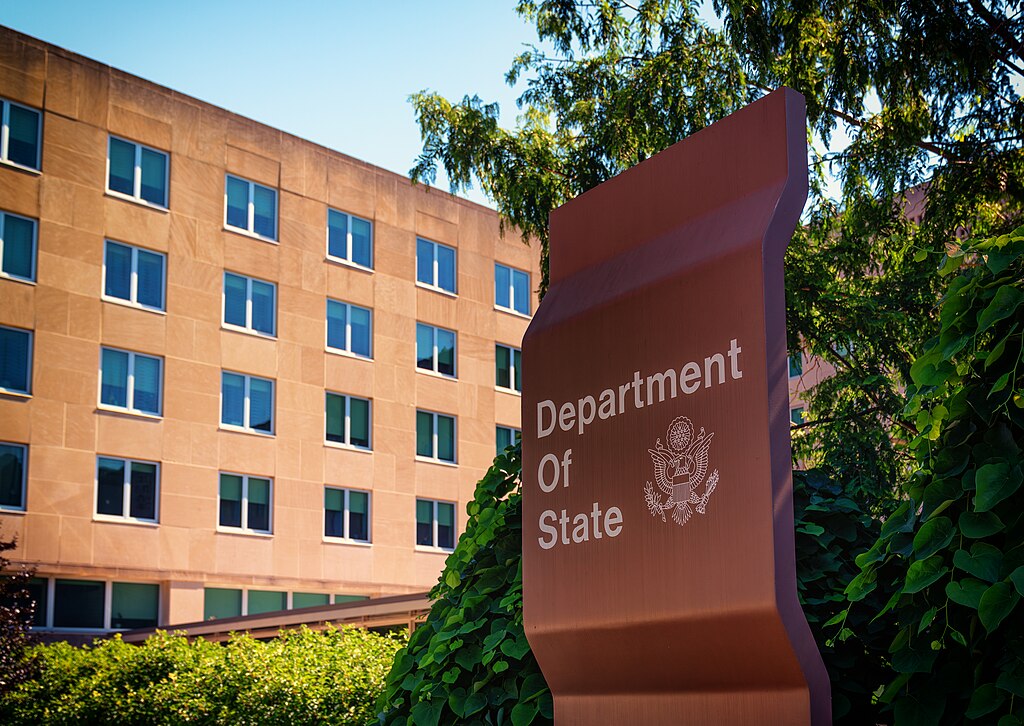
The US State Department reaffirmed Washington’s opposition to Chinese pressure on nations maintaining formal ties with Taiwan, emphasizing its commitment to protecting regional partnerships and security.
"The Trump administration opposes coercion and aggression by China against countries in our hemisphere for exercising their sovereign rights," State Department spokesperson Tommy Pigott said in a statement.
Pigott also referenced Secretary of State Marco Rubio’s warning that Washington would not permit foreign adversaries to use the region to threaten American security or weaken strategic alliances.
The diplomatic dispute highlights growing tensions between the United States and China over Taiwan’s international recognition and Beijing’s expanding influence in Latin America.
Belize and Paraguay are among just 12 countries maintaining official diplomatic relations with Taiwan. China considers the self-governing island part of its territory, while Taiwan rejects Beijing’s sovereignty claims.
Although China's sanctions are largely symbolic because officials from Taiwan’s diplomatic allies rarely visit mainland China, they demonstrate Beijing’s continued efforts to isolate Taipei internationally.
Responding to Washington’s criticism, China's foreign ministry urged the United States to stop sending what it described as misleading signals to Taiwan independence supporters.
Taiwanese officials also condemned Beijing’s actions, accusing China of extending political intimidation beyond its borders.
Speaking to reporters in Taipei on Tuesday, Deputy Foreign Minister Chen Ming-chi described the sanctions as another example of China's growing campaign of transnational repression.
Chen argued that Taiwan's increasing international visibility was frustrating Beijing's efforts to limit its diplomatic engagement.
Taiwan Premier Cho Jung-tai similarly emphasized that China had no authority to interfere with the foreign policy decisions of sovereign nations, including Taiwan.
The latest confrontation comes as Beijing continues pressuring Taiwan's remaining diplomatic partners to switch recognition to China.
Nauru became the most recent country to sever diplomatic relations with Taipei in 2024, following Honduras in 2023.
Despite lacking formal diplomatic relations with Taiwan, the United States remains its most important international supporter. Washington has also expressed increasing concern about China's diplomatic and strategic influence across Latin America.







