


 Russian Strikes Kill Six in Ukraine, Including Three in Kharkiv
  Trump Plans White House Shake-Up of Key AI Safety Agency
  Trump Sanctions International Criminal Court, Sparking EU Backlash
  Elon Musk Donates $366 Million to 2026 US Midterms
  Trump Defends Russian Diesel Deal Amid US Sanctions Backlash
  US Authorities Raid Ilhan Omar’s Home Amid Immigration Fraud Probe
  Mahmoud Abbas Postpones Palestinian Elections to September 2027
  Greenland Lawmakers Back Trump Security Deal Despite Economic Concerns
  Brazil Election: Lula and Bolsonaro Rally Ahead of October 25 Runoff
  Houthis Warn Saudi Airports After Deadly Riyadh Attack
  Flydubai Co-Pilot Planned Suicide Attack on Israel Airport, UAE Says
  Trump Calls for Zelenskyy Replacement Amid Russian Diesel Deal
  JD Vance Questions Pentagon Plan to Livestream Fort Hood Shooter’s Execution
  Trump Announces Russia-Ukraine Energy Ceasefire Amid U.S. Pressure on Kyiv
  Djibouti Migrant Boat Capsizes, Killing 139 and Leaving 84 Missing
  Trump Announces Russia-Ukraine Energy Ceasefire as Zelenskiy Awaits Details


 Add as a preferred source on Google
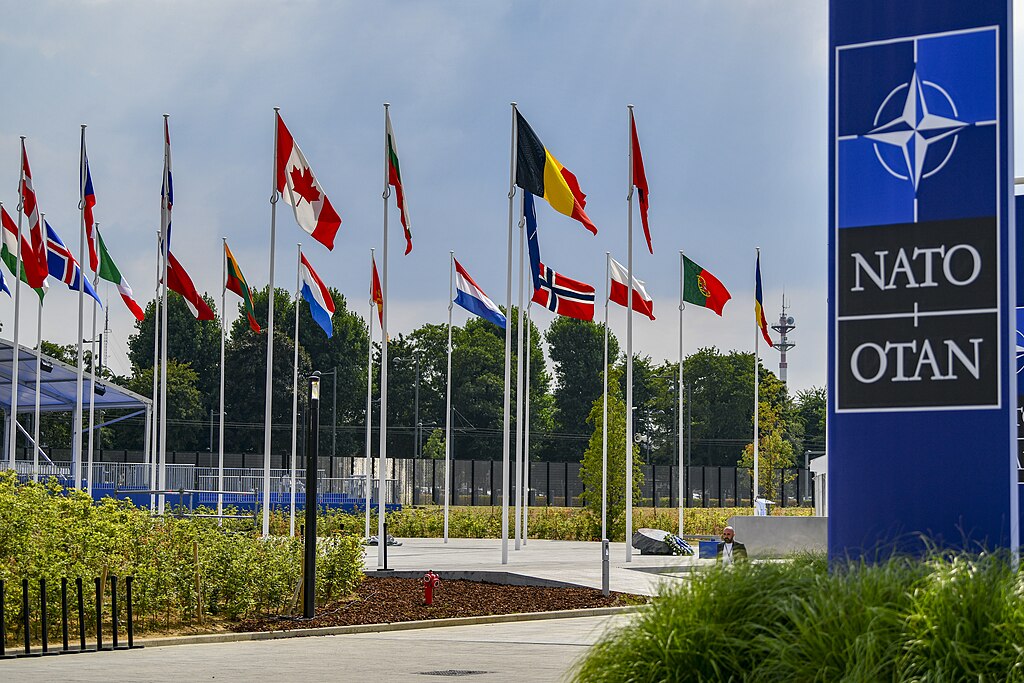
NATO’s top military commander has issued a strong warning to Russia, declaring that the alliance would destroy any forces and supporting military infrastructure involved in an attack on NATO territory.
Speaking at the Warsaw Security Forum on Monday, US Air Force General Alexus Grynkewich emphasized that NATO remains a defensive alliance but is fully prepared to respond decisively to aggression.
Grynkewich outlined a military strategy focused on blocking, blunting and breaking enemy forces, ensuring that any assault against a NATO member would ultimately fail.
"If someone is foolish enough to attack us, we will fight," Grynkewich said, stressing that NATO would make any attack against its allies "utterly futile."
The warning comes as tensions between NATO and Russia continue to escalate amid allegations of Russian sabotage, cyberattacks and drone incursions across Europe.
European governments have accused Moscow of intensifying hybrid warfare operations, while Russia recently warned that NATO attempts to isolate its Kaliningrad exclave could trigger a nuclear response.
Grynkewich explained that NATO's military retaliation would extend beyond troops directly participating in an attack. The alliance could also target infrastructure, command systems and logistical networks supporting hostile operations.
"Should the adversary choose to press the attack or commit his reserves, we will break the warfighting system engaged against us," he said.
Although Grynkewich avoided directly naming Russia, his remarks appeared aimed at Moscow, which NATO identified as its most significant security threat in its 2022 Strategic Concept.
Russian President Vladimir Putin recently insisted that Moscow has no intention of attacking European countries and prefers peaceful coexistence. However, European leaders remain skeptical following Russia's invasion of Ukraine in 2022.
The NATO commander's comments also come amid uncertainty surrounding US President Donald Trump's commitment to European security.
Trump recently announced an agreement with Putin allowing Russian diesel supplies to return to global markets while renewing criticism of Ukrainian President Volodymyr Zelenskiy.
Seeking to reassure NATO allies, Grynkewich emphasized that the alliance has the military capabilities and operational plans necessary to protect its approximately one billion citizens.
He also dismissed concerns about Washington's commitment, recalling Trump's positive remarks about NATO during a July summit in Ankara.
Grynkewich said his message was intended both to reassure nervous European populations and to discourage potential adversaries from challenging NATO's collective defense commitments.







