


 SpaceX Stock Plunges 16% as KeyBanc Warns Valuation May Be Overstretched
  US Waives Iran Sanctions for 60 Days as Peace Talks Advance and Lebanon Sees Calm
  DOJ Opens Investigation Into NYC Coffee Shop Over Anti-Goldman Social Media Post
  Samsung Electronics Stock Surges on Report of Massive $59 Billion Share Buyback Plan
  NTSB Investigates Boston Logan Airport Near-Miss Between Delta and American Airlines Jets
  How AI prompting turned writerly description into an everyday skill
  US Urges Europe to Impose Ebola Travel Restrictions Ahead of FIFA World Cup 2026
  RFK Jr. Orders Extended Hantavirus Quarantine for Cruise Passenger
  Anthropic AI Model Uncovers Vulnerabilities in Classified U.S. Government Systems During Security Test
  Cerebras Revenue Forecast Tops Expectations, but Margin Concerns Weigh on Stock
  Alphabet Stock Slides as AI Talent Exodus and SpaceX Losses Shake Investor Confidence
  Meta Seeks Legal Shield From Child-Harm Lawsuits Amid KOSA Talks
  US House Approves $70 Billion Immigration Enforcement Funding Bill, Ending Congressional Deadlock
  Bolivia Declares State of Emergency as Roadblock Crisis Deepens
  Today’s space race could turn fatal if we don’t agree on new rules
  Qualcomm Nears $4 Billion Acquisition of AI Chip Startup Modular
  Samsung and SK Hynix Shares Jump After Micron Earnings Boost AI Chip Optimism


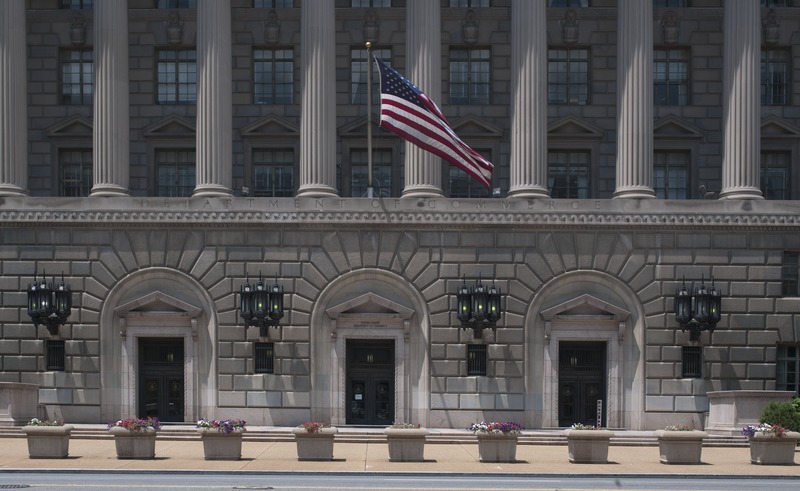
The U.S. Department of Commerce has announced a $252 million settlement with Applied Materials, resolving allegations that the semiconductor equipment maker illegally exported U.S. chip manufacturing technology to China. The agreement marks one of the latest enforcement actions tied to Washington’s tightening export controls on advanced semiconductor manufacturing equipment.
According to the Commerce Department, Applied Materials allegedly shipped semiconductor manufacturing equipment to Chinese entities without the required export licenses. The exports reportedly violated U.S. export control regulations designed to restrict China’s access to advanced chipmaking tools and protect national security interests.
Under the terms of the settlement, Applied Materials will pay $252 million in penalties to resolve the investigation. The case underscores the U.S. government’s increased scrutiny of semiconductor companies and its broader strategy to curb the transfer of sensitive chip technology to China. U.S. officials have repeatedly emphasized that advanced semiconductor equipment plays a critical role in producing cutting-edge chips used in artificial intelligence, defense systems, and high-performance computing.
The enforcement action comes amid escalating U.S.-China tensions over technology and trade. In recent years, the Biden administration has expanded export restrictions targeting advanced semiconductor manufacturing tools, citing national security concerns. Companies operating in the global semiconductor supply chain are now facing stricter compliance requirements and closer regulatory oversight.
Applied Materials, one of the world’s leading suppliers of semiconductor manufacturing equipment, has not admitted wrongdoing as part of the settlement. However, the substantial penalty highlights the financial and reputational risks companies face when navigating complex U.S. export control laws.
The $252 million settlement sends a clear message that U.S. authorities are committed to enforcing semiconductor export controls and holding companies accountable for violations involving China. As regulatory pressure intensifies, semiconductor firms must strengthen compliance programs to avoid costly penalties and ensure adherence to evolving U.S. trade regulations.







