


 What ‘Taiwan Independence’ Means as Xi Presses Trump on US Policy
  North Korea Warns South Korea Over US-Led Defense Role
  Najib Razak Seeks Stay of 15-Year 1MDB Prison Sentence
  Kremlin Says No Decision Yet on Putin-Trump December Summit
  Taiwan Thanks US for Support Ahead of Trump-Xi Summit
  NATO Boosts Intelligence Sharing Amid Russia Hybrid Threats
  Mexico-US Trade Talks Delayed to October as Tariff Negotiations Continue
  Xi Calls for Deeper U.S.-China AI Cooperation in Trump Talks
  South Korea, US Discuss Warship Building Cooperation
  North Korea Rejects Nuclear Test Warning, Calls Nuclear Status Irreversible
  Netanyahu Takes Aim at Mamdani as Israel Election Nears
  Trump Asks Supreme Court to Restore Third-Country Deportations
  Trump, Xi Focus on Trade and AI at White House Summit
  France Defends Netanyahu Airspace Clearance Despite ICC Warrant
  Judge Orders Trump to Restore White House Access for CNN, MS NOW and Politico
  Sudan Rejects US Legitimacy Remarks, Defends Sovereignty
  Netanyahu’s Brief US Trip Highlights Strains With Trump


 Add as a preferred source on Google
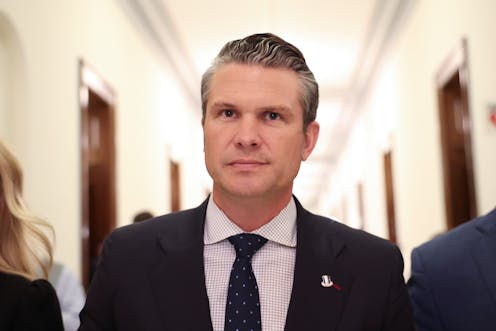
U.S. Defense Secretary Pete Hegseth announced on Monday that additional American defensive assets are being deployed to the Middle East, as escalating conflict between Israel and Iran raises fears of broader regional instability.
Although Hegseth did not provide specifics about the military reinforcements, reports from Reuters earlier the same day revealed the movement of a U.S. aircraft carrier and a significant number of aerial refueling aircraft to the region. The deployment aims to strengthen U.S. military readiness and deter potential threats to American personnel and assets.
“Protecting U.S. forces is our top priority, and these deployments are intended to enhance our defensive posture in the region,” Hegseth said in a post on X, formerly known as Twitter.
The move comes as tensions in the Middle East soar following a series of military exchanges between Israel and Iran. Analysts warn that further escalation could pull regional and global powers deeper into conflict. The U.S. has reiterated its commitment to protecting its troops and interests while urging all parties to exercise restraint.
Defense officials remain on high alert as Washington navigates growing pressure to support its allies while avoiding direct involvement in a broader military confrontation. The Biden administration, through Hegseth’s leadership at the Pentagon, appears to be taking a firm yet measured approach to regional security, aiming to prevent any miscalculation that could ignite wider warfare.
The strategic deployment underscores the United States' role in Middle East security and signals a clear message of deterrence amid a rapidly evolving geopolitical landscape.
This development is expected to remain a focal point of international defense discussions in the coming weeks as tensions between Israel and Iran continue to dominate global headlines.







