


 Trump Requests $11 Billion More in Farm Aid as Rising Costs Pressure U.S. Farmers
  Iran Attack in Strait of Hormuz Pushes Oil Prices Higher
  US Urges States and Businesses to Strengthen Taiwan Ties Amid China Pressure
  Iran Strait of Hormuz Tensions Rise After Ship Attack Delays IMO Escort Mission
  Marco Rubio Seeks Gulf Support for U.S.-Iran Peace Deal Amid Regional Concerns
  NATO Chief Tries to Ease Trump Alliance Dispute
  White House Seeks $87.6 Billion Emergency Funding for Iran War, Farmers, and Ebola Response
  Young Brazilian Voters Shift Right Ahead of 2026 Election
  US Approves $250 Million Fighter Jet Training Sale to Australia
  White House Seeks $1.4 Billion to Combat Growing Ebola Outbreak
  US Mobilizes Aid After Powerful Earthquakes Devastate Venezuela
  Pelosi Discloses Major Intel and Uber Call Option Purchases Worth Up to $6 Million
  US Seeks Gulf Support for Iran Peace Deal Amid Regional Tensions
  U.S. Reviewing Potential F-35 Fighter Jet Sale to Turkey Amid S-400 Dispute
  Marco Rubio Reassures Gulf Allies Over U.S.-Iran Peace Deal
  Russia Signals Frustration Over Unfulfilled U.S. Commitments After Alaska Summit


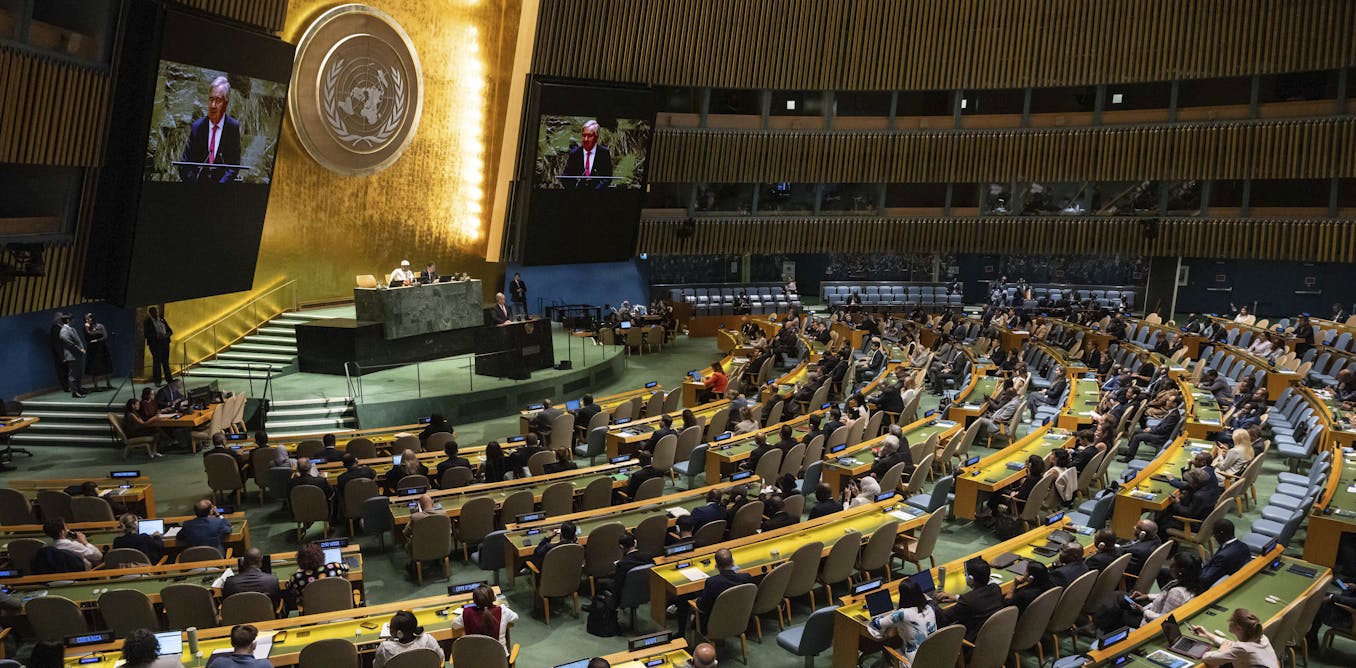
The United Nations Human Rights Council has formally condemned Iran for widespread human rights abuses and has expanded an existing investigation into the government’s violent crackdown on recent anti-government protests. The decision came during an emergency session in Geneva, where U.N. High Commissioner for Human Rights Volker Turk urged Iranian authorities to halt what he described as “brutal repression” and to safeguard detainees held amid the unrest.
The council approved a resolution extending a fact-finding mission first established in 2022, allowing U.N. investigators to document the latest wave of protests and violence. The evidence collected could be used in potential future legal proceedings, reflecting growing international concern over accountability for alleged crimes committed during the crackdown.
Human rights organizations report that thousands of people were killed, including bystanders, in what is described as Iran’s deadliest repression since the 1979 Islamic Revolution. Tehran has rejected these claims, instead blaming “terrorists and rioters” allegedly supported by exiled opposition groups and foreign adversaries such as the United States and Israel.
Iran’s mission to the United Nations criticized the resolution as “politicized” and dismissed the inquiry as foreign interference. Officials insisted Iran has independent and effective domestic mechanisms to investigate the causes of the unrest. Despite this, conflicting casualty figures have emerged. Iran’s ambassador to the U.N. in Geneva, Ali Bahreini, acknowledged around 3,000 deaths, while a senior Iranian official told Reuters the toll could be at least 5,000, including hundreds of security personnel. The U.S.-based HRANA rights group has verified 4,519 deaths so far, with thousands more under review.
The resolution passed with support from 25 countries, including France, Mexico, and South Korea. Seven countries, among them China and India, voted against it, while 14 abstained. Several nations argued the situation was an internal matter and questioned the usefulness of the emergency session.
Former U.N. prosecutor Payam Akhavan described the events as the worst mass killing in Iran’s modern history and called for a “Nuremberg moment,” highlighting demands for international justice. However, uncertainty remains over funding for the expanded inquiry, as the U.N. faces a broader financial crisis that has delayed other investigations.







