


 US Invites Putin to Miami G20, Opening Door to Trump Summit
  Venezuela Promises Elections as Delcy Rodriguez Pledges Democratic Transition
  Judge Orders Trump to Restore White House Access for CNN, MS NOW and Politico
  US Officials Split Over Response to Israeli West Bank Settlements
  Russian Envoy Dmitriev Heads to US for Ukraine Talks
  Trump Administration Plans Faster FDA Reviews for Smoke-Free Nicotine Products
  Abbas Reaffirms November 28 Palestinian Elections
  Russian Missile and Drone Attack on Kyiv Kills Two, Damages Maternity Hospital
  South Korea, US Discuss Warship Building Cooperation
  Netanyahu Takes Aim at Mamdani as Israel Election Nears
  Europe Warns Russia Is Escalating Hybrid Attacks Across NATO
  Mexico-US Trade Talks Delayed to October as Tariff Negotiations Continue
  Sudan Rejects US Legitimacy Remarks, Defends Sovereignty
  US Senate Rejects Iran War Powers Resolution in 50-49 Vote
  Gaza Faces Evacuation Crisis as War-Damaged Buildings Risk Collapse
  NATO Boosts Intelligence Sharing Amid Russia Hybrid Threats
  EU Defence Build-Up Too Slow for 2030 Russia Readiness Goal


 Add as a preferred source on Google
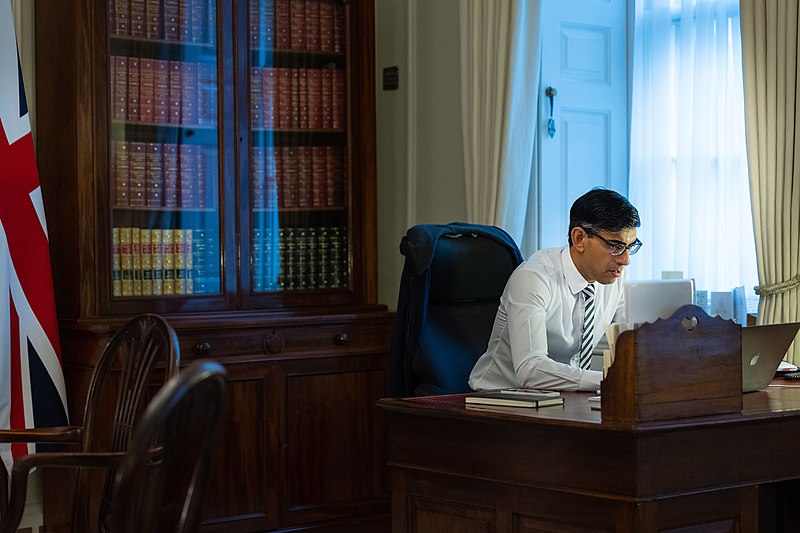
British Prime Minister will reportedly unveil the planned new anti-strike laws this week, as strikes in several sectors have rocked the country. The new laws may make taking industrial action illegal should the minimal service needs are not met.
A report by The Times said Sunak plans to unveil the plans for new laws that could curb strikes as soon as Thursday, as ministers plan to make taking such actions illegal if the minimal service needs are not met. The planned legislation would force minimum service levels in six sectors, including health, rail, education, fire, and border security sectors, which need a portion of union workers to continue working.
The strikes would become illegal if unions refused to provide the minimum level of service, according to the report, citing a government source familiar with the matter. Employers would be able to sue unions and dismiss staff under the plans to curb strikes.
While Sunak’s office did not comment, Sunak on Wednesday said the next steps of the government would be detailed “in the coming days.”
Opposition Labour Party leader Keir Starmer said that should the Labour Party win in the 2024 elections, such laws would be repealed.
“We’ll look at what they bring forward, but if it’s further restrictions, then we will repeal the law,” Starmer told a question and answer session after his speech on Thursday. “I do not think that legislation is the way that you bring an end to industrial disputes. You have to get in the room and compromise.”
On Thursday, British foreign minister James Cleverly said work is moving “pretty fast” to resolve the ongoing dispute with the European Union over the Northern Ireland Protocol, the post-Brexit trade agreement between the United Kingdom and the bloc. Following a meeting with his German counterpart, Annalena Baerbock.
“We are moving fast and doing a huge amount of good work. We very, very much welcome the…much more constructive tone in the conversations that we’ve had between the UK and the Commission,” said Cleverly during a news conference, referring to the bloc’s executive branch.
Baerbock said the EU was prepared to be flexible on the issue, echoing the positive tone in the discussions between the bloc and the UK.







