


 Canadian Dollar Faces Pressure as Fed-BoC Policy Gap Widens
  Dollar Falls as Oil Eases, Yen Jumps on Intervention Signals
  U.S. Dollar Hits Two-Month High as Oil, Treasury Yields Surge
  Japan Private-Sector Growth Slows as Domestic Demand Weakens
  U.S. Treasury Yields Surge as 30-Year Hits 22-Year High
  Japanese Yen Rebounds as Trump Flags Currency Weakness
  Asian Currencies Mixed as Dollar Holds Near Two-Month High
  Fed’s Hammack Says Bond Yield Surge Is Not Driven by Inflation Fears
  Soybean Futures Slip as Traders Await Trump-Xi Trade Signals
  Gold Holds Near $4,275 as Rising Treasury Yields Fuel Fed Rate Hike Bets
  Trump, Xi Focus on Trade and AI at White House Summit
  Oil Prices Jump 3% as Houthi Attack Revives Supply Fears
  European Stocks Fall as Bond Yields and Geopolitical Risks Weigh
  Oil Prices Ease as Iran Tensions Clash With Diplomacy Hopes
  Dollar Holds Near Two-Month High as Yen Approaches 160
  Oil Prices Fall on U.S.-Iran Hormuz Deal Hopes
  Gold Prices Fall as Treasury Yields Rise on Fed Rate Hike Bets


 Add as a preferred source on Google
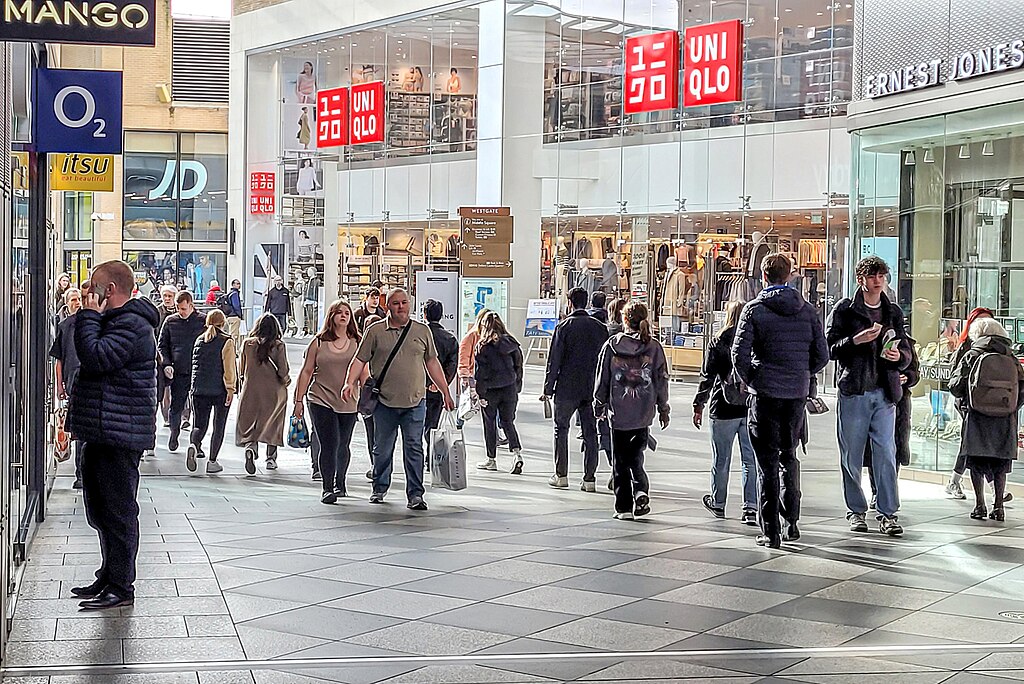
British retail prices rose at a faster pace last month, and retailers may find it difficult to prevent further price increases in 2026 as cost pressures continue to build, according to the British Retail Consortium (BRC). The latest data highlights ongoing challenges for the UK retail sector as inflation remains persistent despite some easing factors.
Annual shop price inflation increased to 0.7% in December, up slightly from 0.6% in November and broadly in line with the three-month average, the BRC reported. This modest rise suggests that while inflation is not accelerating sharply, downward pressure on prices remains limited. Food prices were a key driver, with annual food inflation climbing to 3.3% in December from 3.0% the previous month. In contrast, non-food prices continued to fall, declining by 0.6% year-on-year, matching November’s pace of decrease.
Helen Dickinson, Chief Executive of the British Retail Consortium, said retailers will continue to do everything possible to keep prices low for consumers. However, she warned that while falling energy costs and improved crop supplies may help ease some pressures, rising public policy costs and increased regulation are likely to keep inflation “sticky” in the months ahead. These structural cost increases are making it harder for retailers to absorb expenses without passing them on to shoppers.
One major factor adding to retailer costs is the planned rise in Britain’s minimum wage. From April, the minimum wage will increase by 4.1% to £12.71 per hour, significantly raising staff expenses for businesses across the retail sector. Employers are also still adjusting to higher costs introduced in Finance Minister Rachel Reeves’ first budget in October 2024, which added further financial strain.
The Bank of England is closely monitoring food price inflation, as it believes food costs play an important role in shaping consumer inflation expectations. Although the UK’s overall consumer price inflation eased to 3.2% in November, persistent food inflation could slow progress toward price stability.
Looking ahead, the combination of rising wages, regulatory costs, and cautious consumer demand suggests UK retailers may face continued pricing challenges well into 2026, keeping shop price inflation firmly in focus for policymakers and households alike.







